Microfluidic devices are revolutionizing the way we conduct experiments and analyze fluids at the microscale. One intriguing aspect of this technology is droplet trapping, a process vital for applications ranging from drug delivery to environmental analysis. In this study, we explore how numerical simulations can enhance our understanding of droplet behavior and stability within these systems, addressing key challenges faced by researchers and engineers. By delving into this complex interaction, we aim to provide insights that could lead to more efficient designs and innovative applications. Join us as we bridge the gap between theoretical models and practical implementations, uncovering the potential of precise droplet manipulation in microfluidics. Your curiosity about how these microscopic wonders operate will be rewarded with a deeper understanding of their immense possibilities and importance in modern science and technology.
Mechanisms of Droplet Trapping in Microfluidics
Droplet trapping in microfluidic devices is a fascinating interplay of physics and design, where small droplets are precisely manipulated in a confined environment. Understanding the mechanisms that govern this process is crucial for optimizing various applications, such as biological assays, chemical reactions, and diagnostics. At the heart of droplet trapping is the balance between hydrodynamic forces and surface interactions, which dictate how droplets are stabilized or immobilized within microchannels.
One of the primary mechanisms of droplet trapping involves *geometric confinement*. This occurs when droplets encounter microstructures designed to create obstacles or changes in flow direction. These features can be grooves, pillars, or other channel geometries that disrupt the flow, causing the droplet to slow down or get snared. Another critical factor is *wetting properties*, where the affinity of the droplet for the channel material comes into play. Surfaces that are hydrophilic can help pin droplets in place, while hydrophobic surfaces might allow them to slide. The interplay of these factors often leads to phenomena such as droplet fusion or division, which are essential for many microfluidic applications.
Influence of Flow Rate and Viscosity
The behavior of droplets is also heavily influenced by the flow rate of the continuous phase and the viscosity of the fluids involved. Lower flow rates allow droplets to be trapped more easily by minimizing the shear forces that would otherwise carry them downstream. Conversely, if the flow is too slow, droplets may merge unintentionally, affecting the outcome of the desired reactions. Fine-tuning the viscosity of the fluids can help control droplet size and trapping efficiency, allowing for optimized performance in various experimental setups.
Incorporating sensors that monitor droplet sizes and positions in real-time can significantly enhance the control over droplet trapping, leading to more precise manipulations and better results in microfluidic experiments. As researchers continue to explore novel geometries and fluid properties, the potential for more advanced applications of droplet trapping techniques expands, paving the way for innovations in fields ranging from pharmaceuticals to environmental monitoring.
Overall, mastering the mechanisms behind droplet trapping not only sheds light on fundamental fluid dynamics but also opens doors to practical applications that leverage this intricate science for technological advancements.
Key Factors Influencing Droplet Behavior
Understanding how various factors influence droplet behavior in microfluidic devices can greatly enhance the effectiveness of these innovative technologies. One of the most significant aspects is the interaction between droplet dynamics and the design of the microchannel. Microchannels equipped with specific geometrical features, such as constrictions, pillars, or patterned surfaces, can affect how droplets are generated, transported, and ultimately trapped. For example, a well-designed microchannel can impose geometric confinement, helping hold droplets in place by disrupting the flow that typically moves them along. This effect is critical for applications that require precise manipulation of droplets-like mixing reagents or conducting chemical reactions.
Another key factor is the wetting characteristics of the channel surfaces. The behavior of droplets is heavily determined by whether the surfaces are hydrophilic (water-attracting) or hydrophobic (water-repelling). A hydrophilic surface can encourage droplets to spread and pin themselves in a desired location, while a hydrophobic surface might allow droplets to move more freely. Manipulating the surface chemistry of these devices can establish different droplet behaviors, leading to applications ranging from biomedical diagnostics to environmental sensing.
The interaction between flow rate and fluid viscosity also cannot be understated. These parameters directly influence the shear forces experienced by droplets within the microfluidic system. Generally, a lower flow rate enables droplet trapping by reducing shear-induced detachment. However, if the flow is excessively low, it can inadvertently lead to droplet merging, which can severely skew experimental results, especially in sensitive applications. Therefore, achieving a balance in flow dynamics alongside understanding the material properties of the working fluids is vital for optimizing droplet manipulation.
Lastly, integrating real-time monitoring sensors plays a transformative role in enhancing control over droplet behavior. Sensors that provide feedback on droplet size and position can facilitate dynamic adjustments to flow conditions, ensuring that droplets remain stable and behave as desired within the microchannels. By leveraging this data, researchers can refine their approaches to microfluidic design, ultimately pushing forward the boundaries of what can be achieved in this field. Understanding these key influencing factors opens new avenues for advancing microfluidic technologies across a variety of industries, paving the way for more intricate biochemical analyses and practical applications.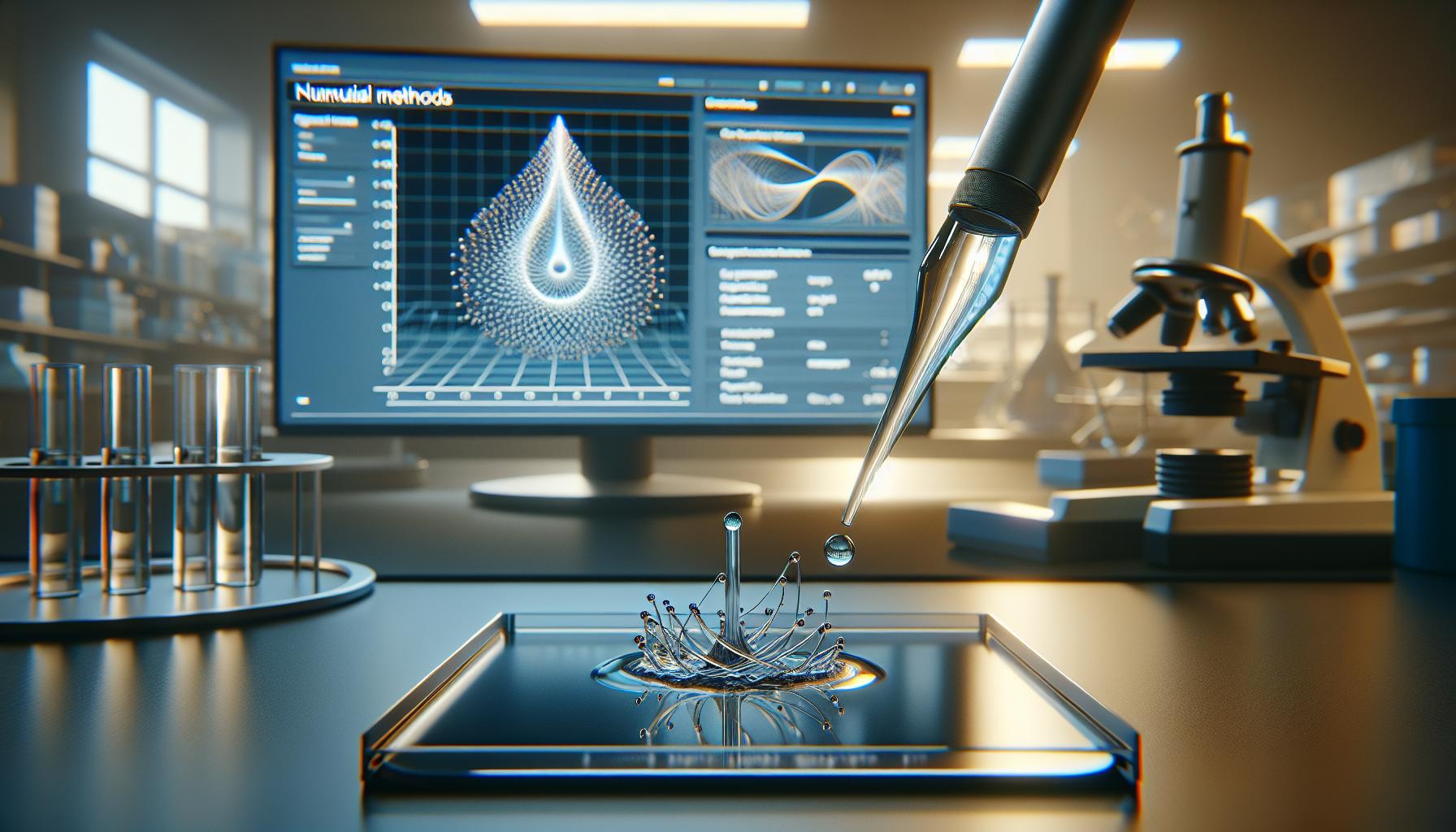
Numerical Methods for Studying Droplet Dynamics
Studying the dynamics of droplet trapping in microfluidic systems can unveil significant insights into how these devices function at a fundamental level. Numerical methods provide a powerful framework for modeling these complex fluid interactions, allowing researchers to simulate conditions that are often difficult to recreate experimentally. Leveraging computational fluid dynamics (CFD) and particle-based methods, scientists can explore how droplets behave under various conditions, focusing on parameters such as flow rates, channel geometries, and surface properties.
Key Numerical Techniques
One common approach in numerical studies is the use of the Volume of Fluid (VoF) method, which is effective for capturing the interface between different fluid phases. This method discretizes the fluid flow domain and tracks the fluid volume fraction throughout the domain to simulate interactions between droplets and the continuous phase. Additionally, the level-set method offers an alternative for tracking interface dynamics by using a level-set function to represent the position of the interface, providing high accuracy in simulating droplet deformations and break-up phenomena. Both methods can effectively model the essential physics of droplet behavior, including how droplets are generated, transported, and trapped.
Another numerical approach utilizes lattice Boltzmann methods (LBM), which simulate fluid flows by modeling the movement of particles on a lattice grid. This technique is particularly advantageous for studying microscale phenomena, as it captures intricate interactions between droplets and the surrounding fluid. Coupling LBM with phase-field models can also enhance the understanding of droplet dynamics by incorporating effects like surface tension and contact angle hysteresis, which are critical in droplet trapping scenarios.
Validation Against Experimental Data
To ensure the robustness of these numerical methods, validation against experimental data is paramount. Researchers often conduct experiments to capture droplet behavior under controlled conditions, generating data sets that can be used to calibrate and optimize numerical models. This process not only strengthens the reliability of numerical predictions but also provides a deeper understanding of the underlying physics involved in droplet manipulation.
Through these innovative numerical methods, researchers are continually pushing the boundaries of microfluidic technology. They are not only able to design more efficient systems for applications such as drug delivery, biochemical assays, and environmental monitoring, but they are also gaining insights that contribute to the fundamental understanding of fluid dynamics at the microscale. Ultimately, the integration of numerical studies with experimental approaches promises to advance the field of microfluidics significantly, paving the way for the next generation of microfluidic devices.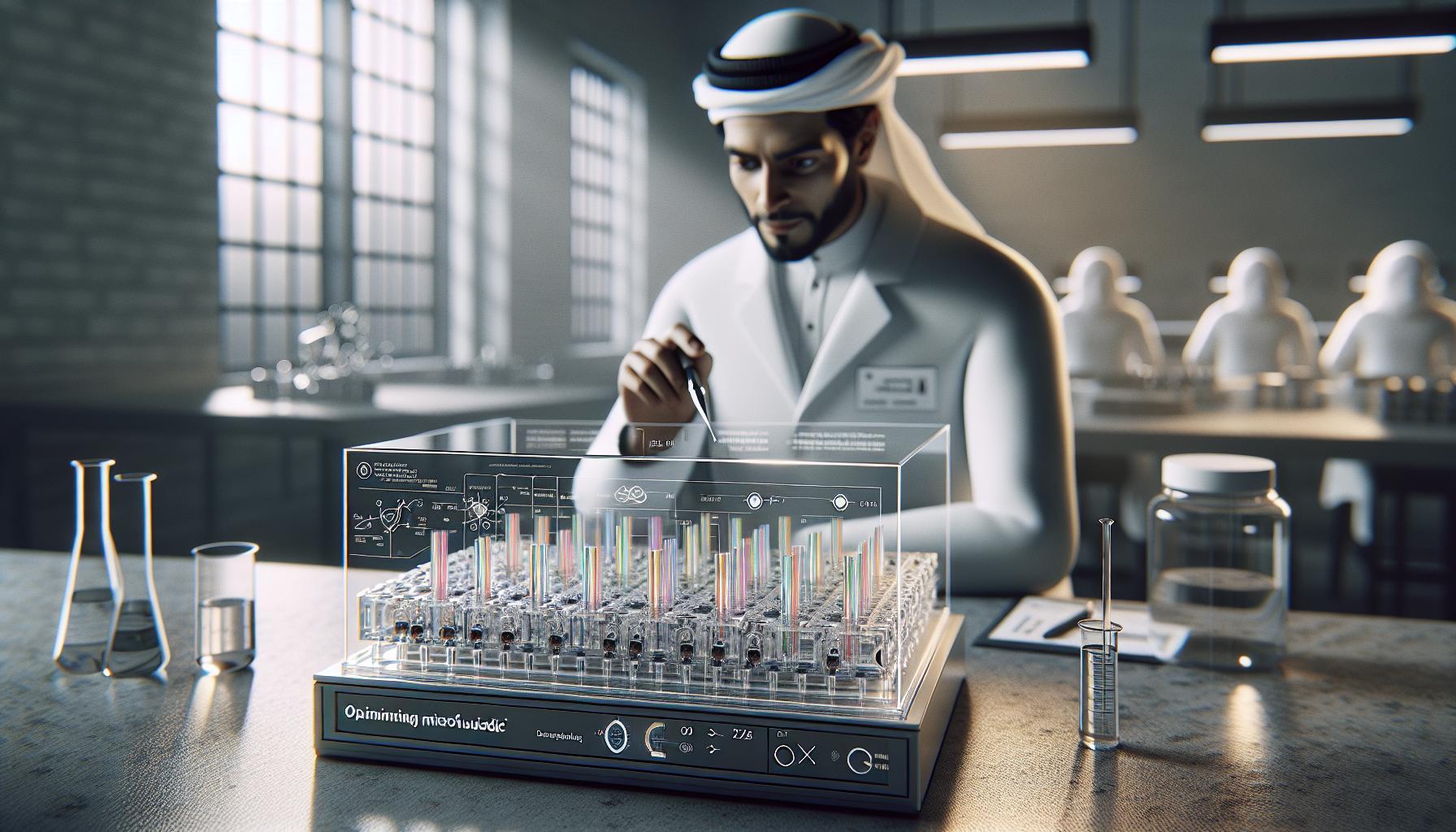
Streamlined Design: Optimizing Microfluidic Channels
The success of droplet trapping in microfluidic devices hinges largely on the design of microfluidic channels. Optimizing these channels is crucial not only for efficient droplet manipulation but also for achieving the desired throughput and performance in applications ranging from diagnostics to drug delivery. Effective channel design integrates principles from fluid dynamics and material science to create environments where droplets can be accurately generated, transported, and controlled.
One critical design element is the channel geometry. The shape and size of channel features can greatly influence the flow dynamics and, consequently, the behavior of droplets. For instance, utilizing tapered or constricted regions can enhance droplet trapping by increasing the local shear forces at the interface, which helps to immobilize droplets as they pass through. Additionally, surface modifications can further influence droplet adhesion and movement. Hydrophobic or hydrophilic surfaces can be strategically employed depending on the required droplet behavior, allowing for precise control over droplet formation and stability. Researchers often leverage computational fluid dynamics (CFD) simulations to model these interactions and optimize design parameters before physical fabrication, saving both time and resources.
Beyond geometry, the flow rates and the properties of the fluids involved also play a pivotal role. The appropriate tuning of flow rates ensures that droplets reach their traps without disrupting downstream processes. For example, if the flow rate is too high, droplets may break apart or fail to stay in place. Incorporating passive microstructures like barriers or weirs can aid in maintaining desired flow conditions and assist in droplet retention, allowing for the effective use of external forces such as capillarity or electrokinetic effects.
As the demand for more sophisticated microfluidic applications grows, integrating sensors directly into channel designs is emerging as a powerful trend. Real-time monitoring of droplet behavior can provide immediate feedback on flow conditions, enabling dynamic adjustments to optimize performance. This approach not only improves the efficiency of droplet trapping but also enhances the accuracy of downstream analyses, creating robust platforms for a range of applications, from single-cell analysis to environmental testing.
By thoughtfully designing microfluidic pathways and incorporating advanced features, researchers can significantly improve droplet manipulation. These innovations build the foundation for more precise, efficient, and versatile microfluidic systems that can adapt to the evolving needs of scientific and industrial applications.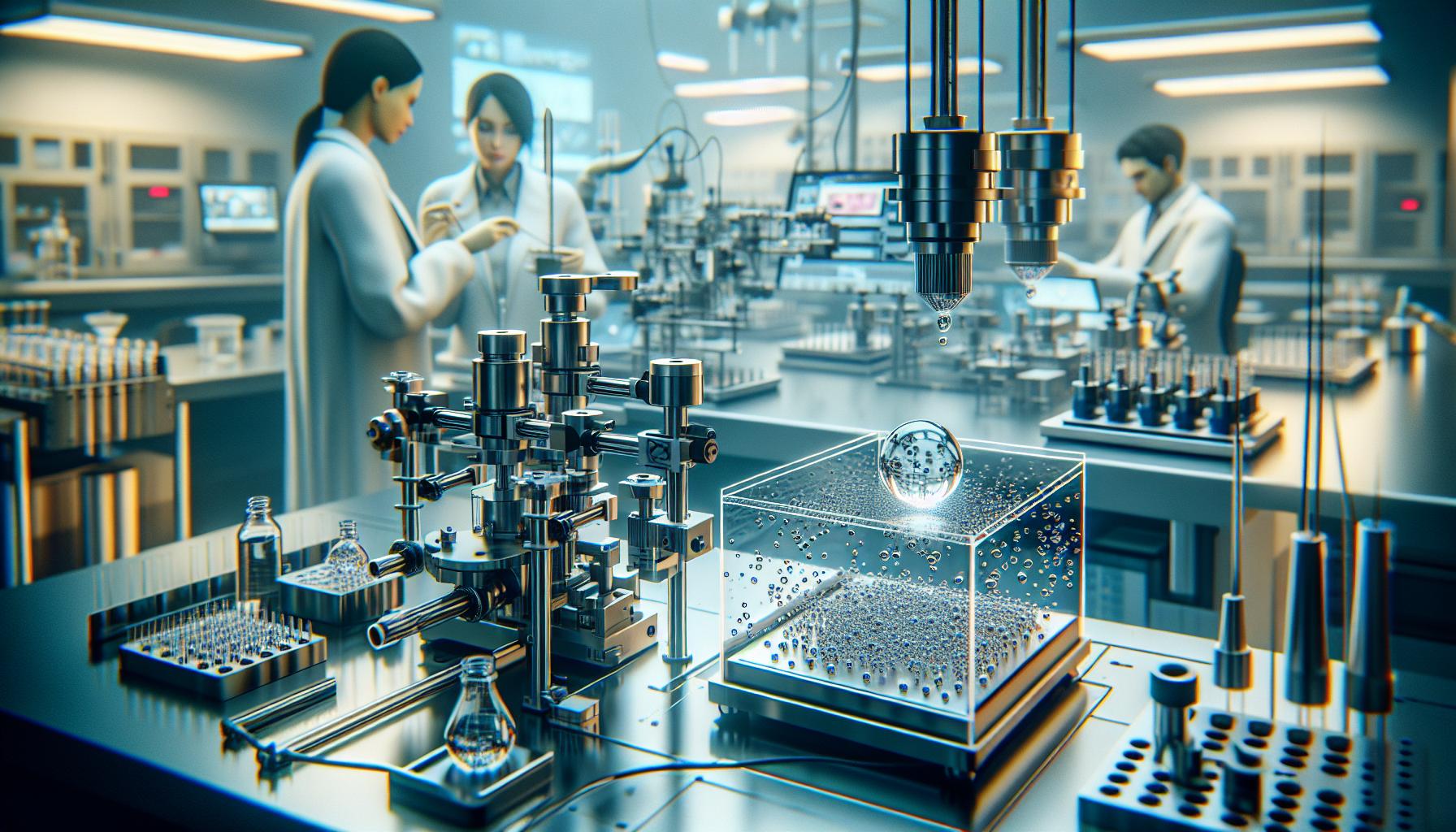
Applications of Droplet Trapping in Industry
Droplet trapping in microfluidic devices is rapidly transforming various industrial sectors, harnessing the precise control of fluid dynamics to enhance process efficiency and product quality. Applications span fields like pharmaceuticals, diagnostics, and environmental monitoring, demonstrating the versatility and innovation enabled by microfluidic technology.
In the pharmaceutical industry, droplet trapping facilitates high-throughput screening of drug candidates. By enabling researchers to isolate individual droplets containing different compounds, it allows for rapid testing and analysis. For example, microfluidic devices can generate hundreds of droplet samples in parallel, which can be exposed to biological targets or cells. This method significantly accelerates the early stages of drug development, reducing both time and costs associated with conventional screening methods. Furthermore, its ability to integrate biosensors enhances the identification of active compounds, making the process even more efficient.
Another promising application is in diagnostics, where droplet microfluidics has introduced revolutionary advancements in point-of-care testing. By trapping droplets that contain specific reagents and biological samples, these devices can perform complex reactions rapidly and with minimal sample volumes. Take, for instance, the use of microfluidic chips in detecting infectious diseases; here, droplets can be mixed, incubated, and analyzed on a single platform. This not only accelerates diagnosis but also enhances sensitivity and specificity, crucial for early detection and treatment.
Environmental monitoring also benefits from droplet trapping technology. Microfluidic systems can analyze water samples for pollutants, allowing industries to monitor environmental impact in real-time. By utilizing droplet-based assays, it’s possible to detect contaminants at very low concentrations, making it easier to comply with safety regulations and maintain sustainability efforts. A notable example is using droplets to carry out rapid toxicity assessments, which support regulatory compliance without extensive laboratory setups.
As droplet microfluidics continues to mature, its integration into industrial applications promises exciting advances. By optimizing droplet trapping mechanisms and leveraging numerical studies to refine designs, industries can expect enhanced accuracy, efficiency, and scalability. This trend reflects a broader shift towards automation and intelligent systems in manufacturing, paving the way for innovative solutions that meet today’s technical challenges while also preparing for future developments.
Challenges in Experimental Microfluidics
Experimental microfluidics, particularly in the context of droplet trapping devices, is a pioneering field that faces several notable challenges. One of the most significant hurdles is managing the spatial and temporal dynamics of droplet formation and transport. In microfluidic systems, the controlled generation of droplets and their subsequent manipulation is influenced by a multitude of factors including fluid properties, channel geometry, and external conditions. This complexity can lead to variations in droplet size and stability, which in turn affects the reliability and repeatability of experiments. For instance, inconsistent droplet sizes can yield unreliable results in assays, prompting a reevaluation of experimental protocols and designs.
Another critical challenge is the integration of multiple operational components into a single microfluidic device. This includes the incorporation of sensors, mixers, and thermal elements for precise control over chemical reactions. Each added component introduces potential interference with droplet behavior, often requiring careful calibration and extensive testing to ensure compatibility. For example, a microfluidic chip designed for drug discovery might need to accommodate multiple reagents, necessitating precise mixing and timing to avoid premature reactions. Such integration demands sophisticated design strategies and a deep understanding of both microfluidic principles and the biochemical interactions at play.
Moreover, scalability poses a significant barrier to the widespread application of microfluidic devices in industry. While laboratory prototypes can demonstrate the functionality of droplet trapping techniques, transitioning these systems to larger scales while maintaining performance remains a challenge. Scaling up without losing the precision necessary for droplet manipulation can result in inconsistencies that undermine the experimental outcomes. Manufacturers must develop modular designs that allow for scalable production, which can be economically feasible and maintain the desired operational characteristics.
Lastly, data analysis in experimental microfluidics can be daunting. The vast amount of data produced during droplet trapping experiments necessitates advanced computational tools and algorithms for effective interpretation. Researchers often face difficulties in distinguishing between meaningful signals and noise, particularly when applying numerical simulations to compare with experimental results. This mismatch can lead to erroneous conclusions unless robust data validation methods are implemented. For example, using statistical techniques to analyze the variance in droplet behavior under different conditions can provide deeper insights into the underlying mechanisms but requires significant computational resources.
In summary, while experimental microfluidics holds great promise for advancing numerous applications, addressing these challenges is vital for enhancing reliability, scalability, and data interpretation. By overcoming these hurdles, researchers can push the boundaries of what is possible in the realm of droplet microfluidics, unlocking new innovations in various fields such as pharmaceuticals, diagnostics, and environmental monitoring.
Comparing Numerical Simulations to Experiments
In the realm of microfluidics, the comparison between numerical simulations and experimental results serves as a crucial bridge between theoretical predictions and practical applications. Numerical simulations allow researchers to model complex fluid dynamics and droplet behavior in microfluidic devices under various conditions, leading to insights that might be difficult to obtain through experimental means alone. However, the true strength of these simulations becomes apparent when their predictions align with experimental findings, creating a validation cycle that enhances the reliability of microfluidic designs.
One of the most engaging aspects of this comparison lies in identifying discrepancies between simulated and experimental data. Such variances can be attributed to numerous factors, including simplifications in the simulation models, the impact of real-world environmental conditions, and limitations in experimental setup. For instance, numerical models often assume ideal fluid properties or geometries, neglecting factors like surface roughness or variations in viscosity due to temperature changes. Addressing these discrepancies can lead to improved models and better experimental designs. This iterative process not only refines the simulations but also elevates the overall knowledge of droplet dynamics.
To effectively bridge the gap between simulations and experiments, several strategies can be employed. First, keeping the simulation parameters aligned with experimental conditions is vital. This includes matching flow rates, droplet sizes, and channel geometries as closely as possible. Implementing high-quality imaging techniques during experiments can provide valuable data to enhance model accuracy. Additionally, using statistical tools to analyze the data ensures that the observed behaviors of droplets are understood in a reliable context. By applying methods such as Monte Carlo simulations or Bayesian analysis, researchers can better quantify uncertainties and improve predictions.
Ultimately, the synergy between simulations and experiments not only bolsters research in droplet trapping in microfluidics but also promotes innovation across various industries. Whether in drug formulation, environmental monitoring, or diagnostic technologies, leveraging numerical insights alongside experimental validation can enhance device performance and functionality. This cohesive approach empowers researchers to push the boundaries of what’s possible within microfluidic systems, unlocking new avenues for exploration and application.
Future Trends in Microfluidic Technology
The landscape of microfluidic technology is poised for remarkable advancements, driven by the continuous evolution of computational power and innovative materials. Researchers are increasingly harnessing the capabilities of numerical simulations to enhance the design and functionality of droplet-based microfluidic devices. As we look ahead, several trends are emerging that promise to transform how we approach microfluidics.
One significant trend is the integration of machine learning algorithms with traditional numerical methods. By analyzing vast datasets generated through simulations and experiments, machine learning can identify patterns and optimize design parameters more efficiently than ever before. This approach can lead to the development of adaptive microfluidic systems that respond in real-time to varying conditions, significantly improving performance. For instance, researchers can employ reinforcement learning to dynamically adjust flow rates or channel configurations based on feedback from integrated sensors, thus enhancing droplet behavior and stability.
Another area of growth is the use of advanced materials for microfluidic channel fabrication. New polymers and hydrogels that respond to environmental stimuli are being explored for their potential to create switches and valves that operate at the microscale. This innovation could pave the way for more complex multi-step reactions within microfluidic devices, expanding their applications in pharmaceuticals and diagnostics. The ability to manipulate droplet trapping through tunable materials will not only simplify the device architecture but also increase the versatility of operations performed within a single microfluidic chip.
Moreover, the miniaturization of sensing technologies is set to revolutionize real-time monitoring of droplet dynamics. By embedding micro-sensors directly into the microfluidic channels, researchers can gain immediate insights into parameters like droplet size, velocity, and viscosity. This data can then be fed back into numerical simulations to refine models and improve predictions. The seamless integration of sensing and computation will facilitate more accurate and robust microfluidic applications across various fields, from biomedical diagnostics to environmental monitoring.
In summary, the future of microfluidic technology is bright, characterized by the fusion of numerical methods with machine learning, the advent of smart materials, and the integration of real-time sensors. These trends not only enhance our understanding of droplet behavior but also broaden the horizon for innovative applications, thereby shaping a new era for microfluidic devices that are smarter, more efficient, and increasingly capable of meeting complex analytical challenges.
Case Studies: Successful Droplet Trapping Techniques
There is a distinct elegance in the world of microfluidics where tiny droplets can be manipulated with precision, analogous to conducting a finely tuned orchestra. By exploring successful droplet trapping techniques, we can appreciate not only their innovative designs but also their potential to revolutionize various industries, including pharmaceuticals and diagnostics.
One standout example is the use of coalescence-based droplet trapping, which capitalizes on the natural tendency of droplets to join together when they come into contact. In a microfluidic device, specific junction geometries can be designed to enhance this coalescence, effectively capturing droplets at controlled points along the channel. This technique is utilized in assays requiring high sensitivity, allowing for the concentration of target analytes from diluted samples. For instance, a microfluidic chip developed for diagnosing diseases uses strategically placed barriers that promote droplet merging, leading to an improved detection capability by amplifying the reactants within the droplet.
Acoustic Droplet Manipulation
Another innovative approach involves acoustic droplet manipulation. This technique employs ultrasound waves to create acoustic forces that trap droplets within specific regions of the microfluidic channel. The application of varying frequencies can dynamically adjust the positioning of droplets without any physical barriers, making it a non-invasive method for controlling droplet behavior. Researchers have successfully implemented this in drug delivery systems, where droplets encapsulating therapeutic agents are directed precisely to targeted areas in biological tissues, potentially increasing the effectiveness of treatments while minimizing side effects.
Additionally, surface tension manipulation plays a critical role in droplet trapping strategies. By engineering surface properties through coatings or microfabrication techniques, researchers can create arrays of traps that capture droplets based on their surface interactions. This method has been effectively used in applications such as single-cell analysis, where droplets are prepared to isolate individual cells for subsequent genetic analysis. The enhanced control over droplet behavior via tailored surface properties enables researchers to achieve higher throughput and reproducibility in their experiments.
Overall, these case studies exemplify the versatility and applicability of droplet trapping techniques in microfluidics. By combining innovative engineering with a deep understanding of fluid dynamics, researchers continue to unlock new possibilities within this domain. As microfluidic technology progresses, we can expect these successful strategies to inspire even greater advancements, steering the future toward more intelligent and efficient systems.
Impact of Surface Tension on Droplet Dynamics
The manipulation of surface tension is a critical aspect of droplet dynamics within microfluidic devices, significantly influencing how droplets behave and interact. Surface tension, the cohesive force at the fluid interface, governs the formation, stability, and movement of droplets. Understanding this property allows engineers and scientists to design more effective microfluidic systems that can control droplet formation and movement with precision, essential for applications ranging from chemical reactions to biological assays.
Droplets in microfluidics can be trapped or guided through the use of surface tension gradients, which can be engineered by altering the surface properties of the channel walls. For example, hydrophobic and hydrophilic areas within the same device can create spatially varying surface tension, effectively directing droplets into desired paths. This technique is especially useful in systems where precise control over droplet placement is necessary, such as in high-throughput screening and single-cell analysis. By designing channels with tailored surfaces, researchers can improve droplet manipulation, maximizing efficiency and ensuring more accurate experimental results.
Another fascinating application of surface tension manipulation is in the creation of stable emulsions. In microfluidic platforms, droplets of different fluids can be mixed to form emulsions through controlled coalescence, which is facilitated by managing the surface tension at the droplet interfaces. This process is vital for applications like drug formulation and food science, as it allows for the encapsulation of active ingredients within a secondary phase. By conducting numerical simulations alongside experimental studies, researchers can gain insights into how variations in surface tension affect droplet dynamics, enhancing the overall efficacy and reliability of microfluidic applications.
Furthermore, as technologies evolve, integrating adaptive surfaces that react to environmental stimuli-such as temperature or pH changes-could further refine droplet control. This opens up exciting prospects for the development of smart microfluidic devices capable of dynamic adjustments based on the experimental context, ultimately leading to more sophisticated and responsive systems in various fields, including diagnostics and therapeutics. The interplay of surface tension on droplet dynamics is not merely a theoretical concept; it holds the key to unlocking future innovations in microfluidic technology.
Integrating Sensors for Real-Time Monitoring
Integrating sensors into microfluidic devices is a game-changer, allowing real-time monitoring of droplet behavior and dynamics. By providing feedback on parameters such as pressure, temperature, and chemical composition, these sensors enhance the functionality and responsiveness of microfluidic systems. This integration facilitates a deeper understanding of droplet manipulation, which is essential for applications ranging from medical diagnostics to chemical synthesis.
One significant advantage of sensor integration is the ability to conduct real-time measurements that inform on-the-fly adjustments. For instance, optical sensors can detect the presence and size of droplets, allowing for immediate modifications to flow rates or surface properties. This capability is particularly valuable in high-throughput environments, where rapid analysis and decision-making are crucial. Furthermore, advanced sensors can track droplet interactions, such as fusion or separation, providing insights into the kinetics of reactions taking place within the droplets.
The types of sensors used in these applications are diverse. Optical sensors utilize light scattering or fluorescence for tracking droplet dynamics, while electrochemical sensors can provide information about the chemical composition of the droplets. Additionally, temperature sensors can be crucial for applications where thermal control is necessary, such as enzyme reactions that are temperature-dependent. Integrating these sensors requires careful consideration of their placement within the microfluidic channels to ensure accurate and reliable data collection without disrupting the flow dynamics.
To illustrate the impact of sensor integration, consider a microfluidic platform used for cell analysis. By incorporating pH sensors within the channels, researchers can monitor the microenvironment of cultured cells in real time, allowing for adjustments to be made to optimize growth conditions. Similarly, integrating real-time imaging systems can provide visual confirmation of droplet behavior, supporting the development of more sophisticated algorithms for predictive control of droplet dynamics.
Overall, the fusion of sensors into microfluidic systems not only enhances monitoring capabilities but also propels the field toward more automated and intelligent designs. As this technology continues to evolve, we expect to see even more innovative sensor solutions that will further drive advancements in microfluidics, pushing the boundaries of what is possible in both research and industrial applications.
FAQ
Q: What factors impact droplet trapping efficiency in microfluidic devices?
A: Droplet trapping efficiency in microfluidic devices is influenced by several factors including channel geometry, fluid properties, and surface interactions. Optimizing these parameters ensures effective droplet manipulation. For more on optimizing designs, explore the section on Streamlined Design: Optimizing Microfluidic Channels.
Q: How do numerical simulations compare to experimental methods for droplet trapping?
A: Numerical simulations provide a versatile approach to predict droplet behavior under various conditions, often offering insights that experimental methods may overlook. This complementary use allows researchers to refine techniques and enhance trapping strategies effectively. Refer to Comparing Numerical Simulations to Experiments for a deeper understanding.
Q: What are the common challenges faced in experimental microfluidics?
A: Common challenges in experimental microfluidics include reproducibility, sensor integration, and accurate droplet size control. Addressing these issues is essential for advancing research and industrial applications. For more details, see the section on Challenges in Experimental Microfluidics.
Q: Why is surface tension crucial in droplet dynamics?
A: Surface tension is critical in droplet dynamics as it affects droplet formation, stability, and movement within microfluidic channels. Understanding how to manipulate surface tension can lead to better control of droplet behavior. Explore the Impact of Surface Tension on Droplet Dynamics for further insights.
Q: What are some industrial applications of droplet trapping?
A: Droplet trapping is widely used in fields such as biotechnology, chemical synthesis, and diagnostics. Its ability to separate and analyze small samples enables innovative solutions for complex processes. Check out the Applications of Droplet Trapping in Industry for specific examples.
Q: How can integrating sensors improve droplet trapping techniques?
A: Integrating sensors allows for real-time monitoring and feedback in droplet trapping, enhancing precision and efficiency during experiments. This integration can help optimize protocols and improve overall performance. Learn more in the section on Integrating Sensors for Real-Time Monitoring.
Q: What future trends are emerging in microfluidic technology?
A: Future trends in microfluidic technology include advancements in materials, automation, and integration with nanotechnology. These innovations promise to enhance the capabilities and applications of microfluidics in various fields. Read about Future Trends in Microfluidic Technology for more information.
Q: How does droplet behavior change with varying channel designs?
A: Droplet behavior can significantly change with varying channel designs due to alterations in flow rates and geometry. These changes impact how droplets are trapped, manipulated, and released. For specific examples, refer to the section on Streamlined Design: Optimizing Microfluidic Channels.
Concluding Remarks
As we conclude this exploration of droplet trapping in microfluidic devices, we hope you have gained valuable insights into the numerical approaches that enhance our understanding of fluid dynamics in these innovative systems. By leveraging these findings, you can optimize designs for applications ranging from biomedical diagnostics to chemical synthesis. Don’t miss the opportunity to deepen your knowledge-explore our related articles on fluid mechanics innovations and efficient microfabrication techniques for further insights.
Join our community of researchers and enthusiasts by subscribing to our newsletter for the latest updates and expert insights. If you have questions or want to share your experiences with microfluidic applications, please comment below; your contributions are invaluable. Delve deeper into our resources, and discover how our cutting-edge research can empower your projects today!
Get our latest guides, news, and insights highlighted in your Google Search & AI Overviews.