In the realm of cellular biology, precision is paramount, particularly when studying organisms like fission yeast. A microfluidic synchronizer for fission yeast cells stands at the cutting edge of experimental techniques, allowing researchers to manipulate and analyze cellular processes with unprecedented accuracy. Imagine being able to synchronize thousands of cells in real time, enabling clearer insights into cell division and behavior. This innovation not only enhances our understanding of fundamental biological processes but also opens new avenues for research in genetics, drug testing, and developmental biology.
For anyone invested in cellular research-whether you’re a student, academic, or tech innovator-this technology represents a significant leap towards more refined experimental protocols. By harnessing the capabilities of microfluidics, we can bridge the gap between theory and practical application, addressing critical questions in cell biology with confidence. The possibilities are exciting, and as we delve deeper into this exploration, we’ll uncover the implications and potential applications of this transformative tool.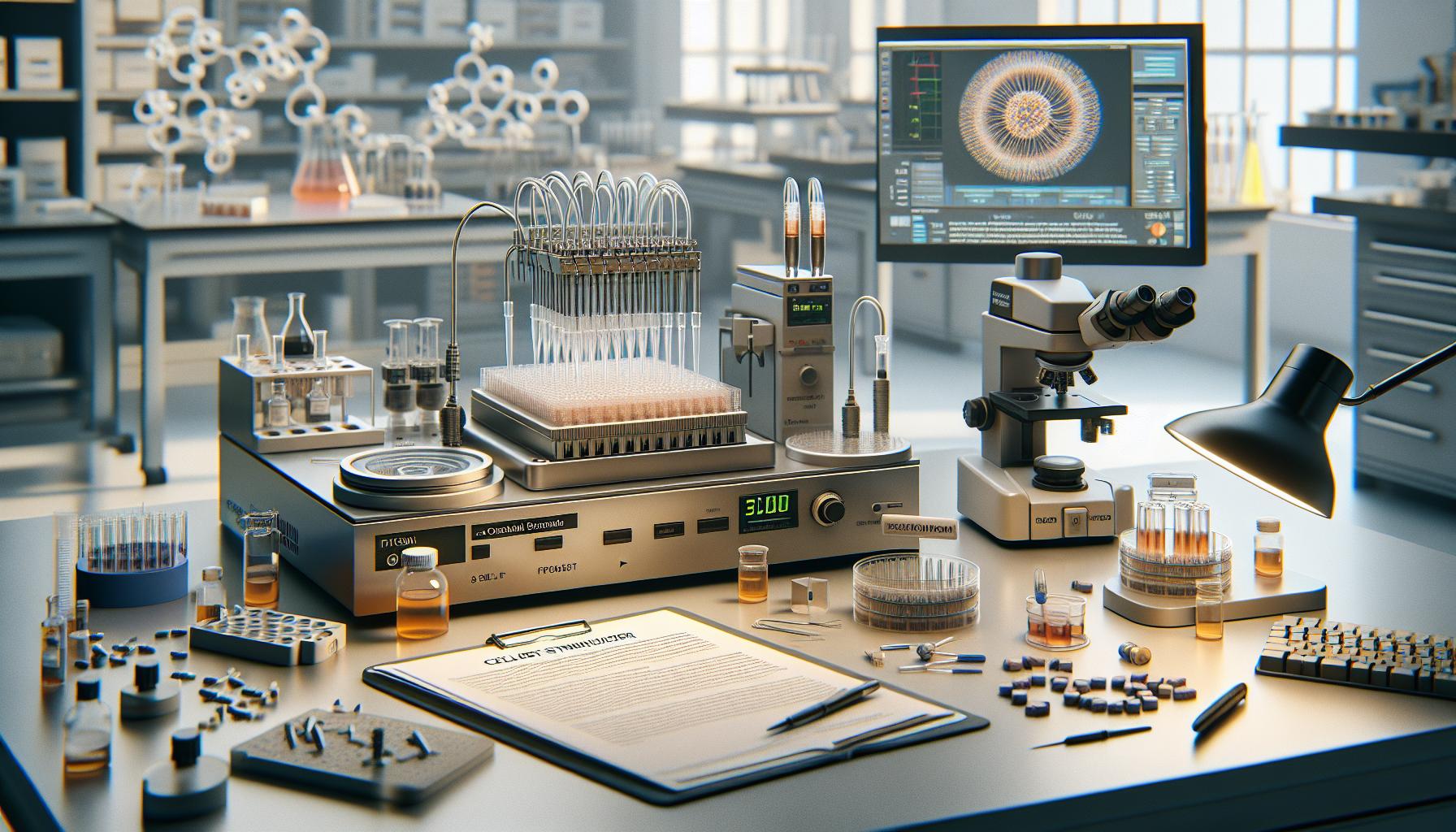
A Microfluidic Synchronizer: Overview and Functionality
Microfluidic technology has revolutionized the way researchers conduct cellular biology experiments, especially in the synchronization of cell cycles. Among the most promising innovations is the microfluidic synchronizer, a device designed to manipulate fluid dynamics at a microscale, enabling precise control over cellular environments. This sophistication allows researchers to synchronize fission yeast cells with remarkable accuracy, leading to more reliable and reproducible experimental outcomes. By controlling the microenvironment, scientists can apply stimuli in well-defined timeframes, thus gathering data that would be challenging to collect using traditional methodologies.
In a microfluidic synchronizer, the fundamental principle revolves around the controlled flow of fluids through microchannels. The device can seamlessly introduce or remove nutrients, inhibitors, or other agents affecting cell growth and division, thereby allowing researchers to induce specific phases of the cell cycle. The geometry of the channels, along with the fluid dynamics, can be tuned to achieve the desired synchronization, making it a tailored solution for specific research needs. This approach not only enhances the efficiency of experiments but also minimizes the amount of reagents used, which is both cost-effective and environmentally friendly.
Moreover, the ability to precisely manipulate cells opens up avenues for high-throughput experiments and real-time monitoring. Researchers can capture vital cellular responses to various stimuli, tracking changes in morphology and behavior at high resolution. The microfluidic synchronizer thus acts as a powerful tool for generating datasets that are critical for understanding complex biological phenomena in fission yeast, a model organism known for its simplicity and genetic tractability. As microfluidic technologies continue to evolve, the potential for uncovering new insights into cell biology becomes increasingly promising.
Key Innovations in Microfluidic Technology
Microfluidic technology has taken significant strides forward, enabling researchers to manipulate biological systems with unprecedented precision. One of the standout innovations in this field is the development of highly customized microfluidic channels that facilitate the targeted delivery of reagents and nutrients. These channels can be engineered at a microscale to create complex flow patterns, which are essential for managing the interactions between cells and their environment. This innovation not only allows for a greater degree of control over experimental conditions but also enhances the reproducibility of results, making it easier to derive meaningful conclusions from experiments.
In addition to customized flow designs, the integration of real-time monitoring systems represents another critical advancement. Researchers can now incorporate sensors directly into microfluidic devices that continuously measure parameters such as pH, temperature, and nutrient concentrations. This capability provides instant feedback, enabling scientists to adjust conditions dynamically and maintain optimal environments for cell culture. Such adaptability is particularly beneficial when studying the intricate behaviors of fission yeast, as it allows for immediate response to changing cellular conditions during experimentation.
Advancements in Materials have also played a significant role in the evolution of microfluidic devices. The introduction of new polymers that are biocompatible and optically transparent has facilitated more complex and varied experimental setups. For example, materials like PDMS (polydimethylsiloxane) allow for easy fabrication of microstructures while permitting high-resolution imaging of the processes occurring within the channels. These innovations in materials science not only improve the functionality of microfluidic devices but also expand their applicability across different biological research domains.
As we continue to explore the potential of microfluidic systems, the combination of precise fluid manipulation, real-time monitoring, and advanced materials underscores the transformative impact these technologies have on cellular biology research. Whether optimizing conditions for cell synchronization or testing cellular responses to various stimuli, these innovations empower researchers to push the boundaries of what is scientifically possible. Thus, the ongoing development of microfluidic technology holds substantial promise for uncovering new insights in cell biology, fundamentally enhancing our understanding of biological systems.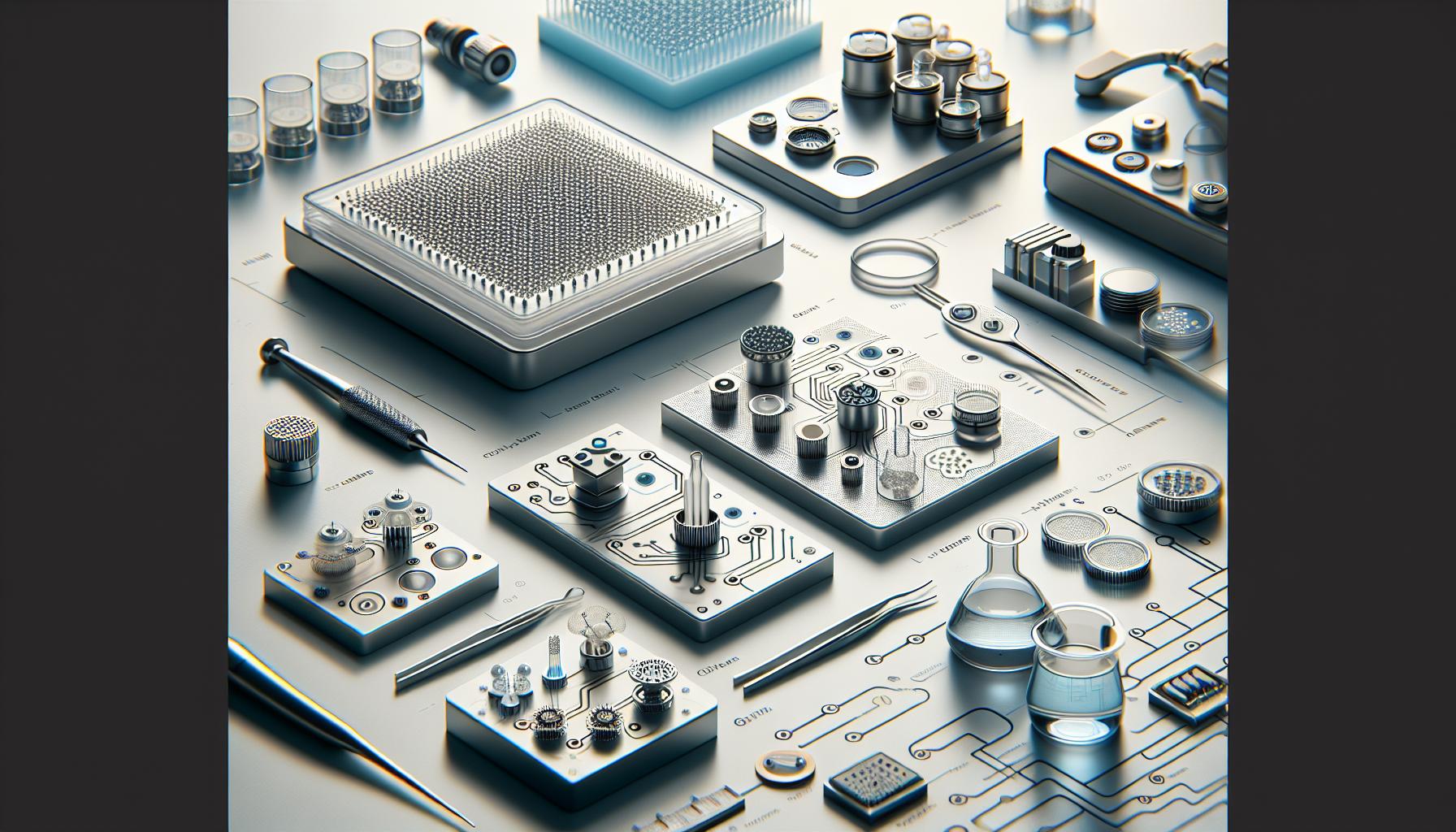
Applications of Microfluidic Systems in Cellular Biology
Microfluidic systems have revolutionized cellular biology by enabling precise manipulation of fluids at the microscale, allowing researchers to explore cellular behaviors in unprecedented detail. One of the most significant applications lies in the synchronization of cell cycles, particularly in model organisms like fission yeast. This intricate maneuvering is crucial for understanding cell division, growth, and response to various stimuli, which can lead to breakthroughs in areas like cancer research and developmental biology.
Utilizing microfluidics, researchers can create environments that mimic physiological conditions, allowing for controlled experiments that assess how cells react under different scenarios. For instance, by fine-tuning nutrient delivery and waste removal through microfluidic channels, scientists can maintain optimal conditions for fission yeast, enabling them to synchronize their cell cycles with remarkable precision. This synchronization is key for experiments aimed at dissecting cellular processes, such as the mechanisms of cell division or the effects of genetic modifications.
Advantages of Microfluidic Applications
The advantages of using microfluidics in cellular biology extend beyond controlling environmental conditions. Here are some notable benefits:
- High Throughput: Microfluidic systems allow for the simultaneous processing of multiple samples, which enhances the data obtained from experiments.
- Reduced Reagent Costs: The small volumes required by microfluidic devices significantly lower the costs of reagents, making experiments more economical.
- Real-Time Monitoring: Integration of sensors enables continuous tracking of cellular responses, providing real-time data that can guide experimental adjustments.
In addition, the ability to incorporate complex fluid dynamics into cell studies positions microfluidics as a powerful tool for investigating heterogeneous populations within cell cultures. Researchers can apply gradients of chemicals or mechanical forces selectively, enabling the detailed study of how different cells within a population respond to varying environments. This capability is particularly compelling in cancer research, where understanding the behavior of tumor cells in response to treatment can inform more effective therapeutic strategies.
Overall, the integration of microfluidic technology into cellular biology not only opens doors to conducting highly controlled experiments but also enhances our understanding of fundamental cellular processes. As researchers continue to push the boundaries of this technology, the potential to yield insights that translate into clinical advancements becomes increasingly tangible, promising a new era of precision in biological research.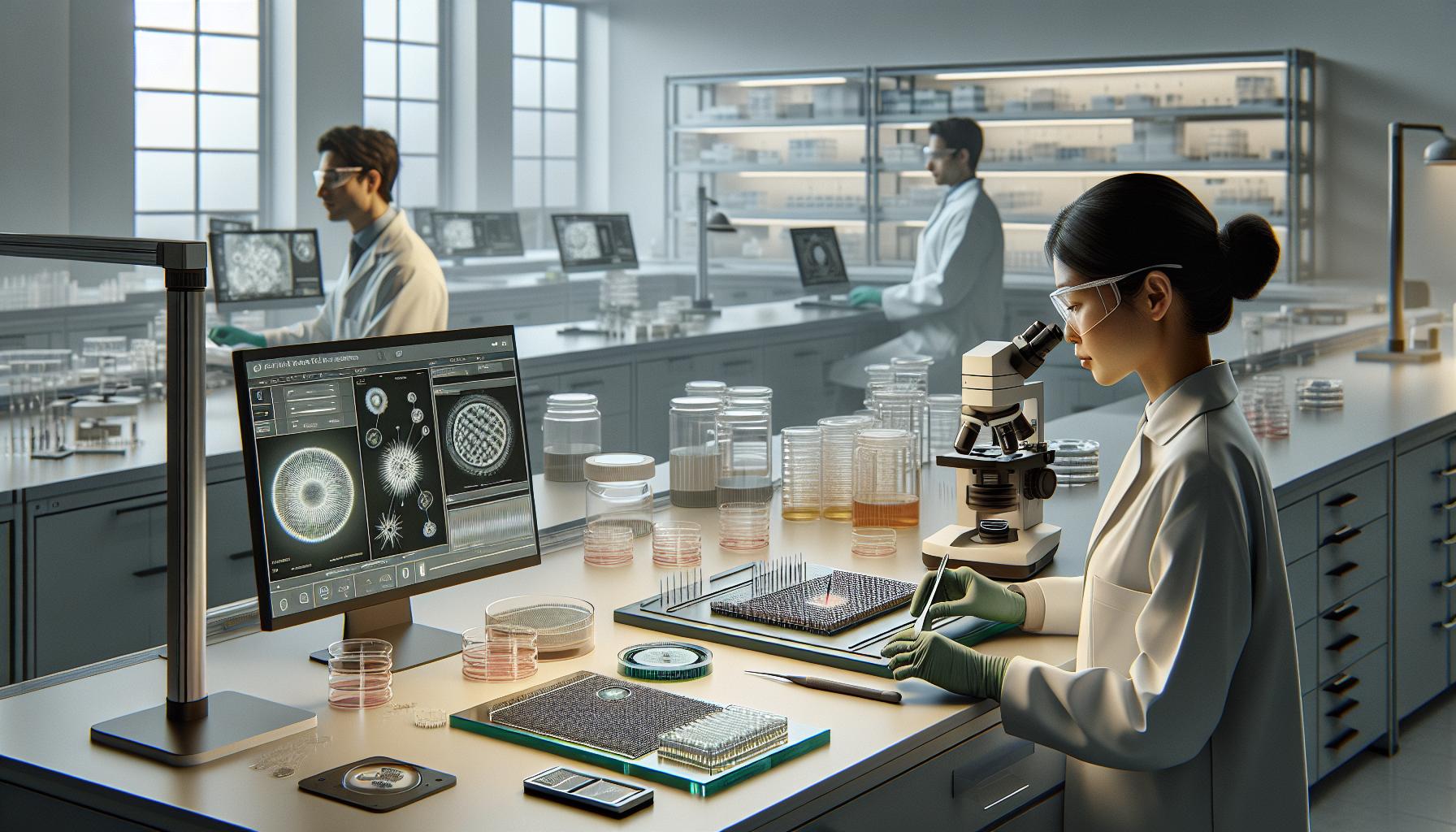
Understanding Fission Yeast: Importance in Research
Fission yeast, or Schizosaccharomyces pombe, is more than just a microbe; it serves as a powerful model organism that has unraveled many mysteries of cellular biology. One of the standout aspects of fission yeast is its cell division mechanism, which is remarkably similar to that of human cells. This similarity supports studies related to cancer, as researchers can manipulate these organisms to observe the effects of genetic changes on cell growth and division. The ability to synchronize cell cycles with precision, particularly through microfluidic technology, offers unprecedented insights into these processes.
Microfluidic devices empower researchers to replicate physiological environments, providing fission yeast with optimal conditions. For example, by controlling nutrient flow and waste removal within these carefully designed channels, scientists can time the division of yeast cells. This synchronization is crucial for experiments aiming to explore fundamental biological questions such as the regulation of the cell cycle and the responses to various stressors. Moreover, the precision offered by these devices enables the investigation of genetic modifications and their implications on cellular behaviors.
The advantages of using fission yeast in research extend to its rapid growth cycle, which allows for quick results. Cell biologists can conduct time-sensitive experiments and gather significant amounts of data within days. This rapid turnaround is invaluable in fields such as synthetic biology, where understanding genetic circuitry can lead to new applications in biotechnology and medicine.
Through the integration of microfluidic synchronizers, researchers can harness the full potential of fission yeast as a model organism. These devices not only facilitate controlled experiments but also enhance our understanding of complex cellular networks. The insights generated from studies using fission yeast can ultimately bridge theoretical concepts with practical applications in human health, making it an indispensable tool in modern biological research.
How the Synchronizer Enhances Fission Yeast Studies
The integration of microfluidic synchronizers into fission yeast research represents a transformative leap in experimental precision and control. These devices allow for real-time manipulation of the cellular environment, enabling researchers to synchronize cell division with unprecedented accuracy. This level of control is essential, as it allows scientists to coordinate the timing of experiments, ensuring that cells are in the same phase of the cell cycle when measurements are taken. Such synchronization is crucial when studying phenomena that rely on precise timing, such as genetic expression or cellular response to treatments.
By maintaining optimal growth conditions and precisely controlling nutrient supply and waste removal, microfluidic synchronizers create an environment that replicates in vivo conditions more closely than traditional methods. This setup not only enhances the health and viability of fission yeast cells but also minimizes variability in experimental results. Techniques such as real-time imaging can be coupled with these devices, allowing researchers to visualize cellular processes as they unfold. This synergy of technology and biology opens up new avenues for observing complex dynamics, such as how cells react to stress or how genetic modifications influence behavior during different growth stages.
Furthermore, the ability to perform high-throughput experiments means that insights can be garnered more rapidly than ever. With a microfluidic synchronizer, researchers can conduct simultaneous experiments on multiple samples, dramatically increasing the potential for data collection and analysis. This feature is particularly beneficial in exploring genetic circuitry and cellular pathways, where capturing the nuances of cellular behavior is paramount for advancing our understanding in areas like cancer research or metabolic engineering. Researchers can easily contrast results across different conditions, leading to more robust conclusions and pathways for future study.
Overall, adopting a microfluidic synchronizer in fission yeast studies not only enhances experimental precision but also propels forward our ability to glean meaningful insights from these fundamental biological systems. As researchers increasingly lean on sophisticated technologies to address complex biological questions, the role of microfluidics will undoubtedly expand, showcasing its potential as a cornerstone in cutting-edge cellular research.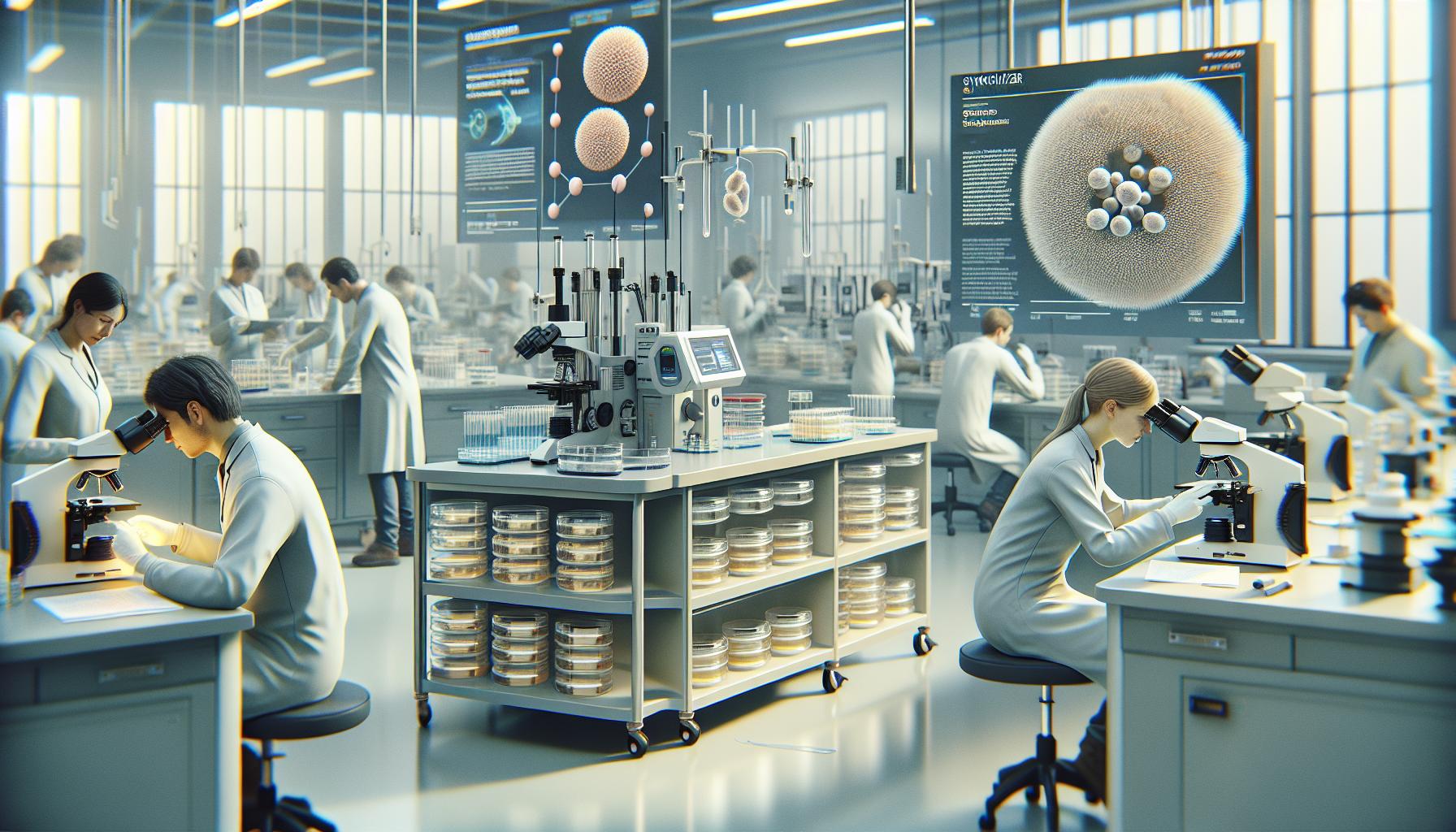
Design Principles: Creating Effective Microfluidic Devices
In the rapidly evolving field of microfluidics, the fundamental design principles that underpin effective microfluidic devices are crucial to maximizing their performance and functionality. A well-designed microfluidic synchronizer not only facilitates precise control over cellular environments but also ensures that researchers can replicate in vivo conditions. Successful designs rely on a few key factors: material selection, channel architecture, and flow dynamics.
Material Selection is paramount when creating microfluidic devices. Common materials include polymers such as poly(dimethylsiloxane) (PDMS) and thermoplastics like polystyrene. PDMS is favored for its flexibility, biocompatibility, and optical transparency, making it ideal for imaging applications. However, it can absorb small molecules, which might affect the experimental outcomes for certain applications. Thermoplastics, on the other hand, offer better chemical resistance and higher thermal stability. Choosing the right material depends on the specific applications and conditions in which the microfluidic device will operate.
Channel Architecture
plays a significant role in determining the efficiency of liquid handling within the device. The design must consider factors such as channel depth, width, and geometry, which all influence fluid dynamics. For instance, narrow channels can enhance mixing and reaction rates; however, they also increase the risk of clogging, especially with biological samples. Incorporating features like weirs or traps can aid in cell capture and synchronization, as well as facilitate multi-step reactions through controlled fluid movement. Designing branching networks or using valves can further enhance functionality by allowing selective flow control and sample manipulation.
To effectively harness the advantages of microfluidic systems, understanding flow dynamics is essential. Utilizing computational fluid dynamics (CFD) simulations during the design phase can help predict flow behavior and optimize channel configurations. The principles of laminar flow-where fluid moves in parallel layers-make microfluidic devices particularly efficient for studying cellular behavior under controlled conditions. Ensuring a consistent flow rate through precise pumps and incorporating pressure-driven flow mechanisms can enhance the reliability of the experiments conducted within the microfluidic synchronizer, leading to more reproducible results.
Designing microfluidic devices is an intricate balance of material choice, architectural innovation, and fluid dynamics. By focusing on these principles, researchers can create effective microfluidic synchronizers that significantly enhance their studies of fission yeast and other model organisms, paving the way for groundbreaking discoveries in cellular biology.
Assessing Precision: Measurement Metrics and Benchmarks
In the pursuit of precision within microfluidic synchronizers, especially for experiments involving fission yeast cells, establishing quantifiable measurement metrics and benchmarks is essential. Precision in microfluidics isn’t merely about achieving exact volumes or flow rates; it encompasses the reliability and repeatability of experimental conditions, which can drastically influence biological outcomes. In essence, how do we quantify the effectiveness of our microfluidic designs in delivering the expected results?
To assess precision, researchers can utilize a range of measurement metrics. Key among these are flow rate accuracy, droplet size uniformity, and temporal synchronization. For instance, flow rate accuracy can be measured using calibrated syringe pumps or mass flow controllers, which help confirm that the desired volume of fluid is delivered consistently. Similarly, droplet size can be characterized using imaging techniques coupled with software that analyzes droplet diameters. By comparing the achieved sizes against established standards, one can determine the consistency of generation, which is critical for applications requiring high reproducibility in droplet-based assays.
Moreover, temporal synchronization plays a vital role in experiments involving cell cycles. Researchers should benchmark their synchronizers by tracking the timing of event delivery-such as nutrient supply or stimulation of chemical processes-against a gold standard, which may include conventional synchronizing methods. These metrics help reveal not only the effectiveness of the synchronizer but also the biological relevance of the chosen time points in the context of cellular responses.
Another important aspect of assessment involves creating a feedback loop using experimental data to refine microfluidic system design iteratively. Regular validation against established benchmarks can guide improvements. Adjustments might involve optimizing channel dimensions or refining material properties, which can lead to enhanced performance in subsequent trials. Overall, establishing a robust framework for assessing precision enhances the reliability of insights derived from microfluidic studies, ultimately driving innovation in cellular biology research.
Tips for Optimizing Microfluidic Experiments
Optimizing microfluidic experiments is pivotal for enhancing the precision and reliability of results, especially in the context of fission yeast studies. One critical approach is ensuring the design of microfluidic devices is tailored to the specific requirements of your experiments. Customizing channel dimensions and flow rates based on the physical properties of the fission yeast cells can significantly impact synchronization accuracy. For instance, narrower channels can enhance fluid dynamics while minimizing dead volumes, thus improving the overall control of cell exposure to experimental conditions.
Another essential tip is to implement rigorous calibration protocols for your setup. Utilizing calibrated syringes and precise mass flow controllers can help maintain consistent flow rates and droplet generation, which are crucial for cell synchronization. It’s advisable to routinely verify these settings against standard benchmarks, adjusting them as necessary to mitigate variations that might affect your experiment’s outcomes. Regular calibration not only optimizes performance but also fosters reproducibility across multiple runs.
Additionally, consider employing real-time monitoring techniques that can provide immediate feedback during experiments. Utilizing imaging systems can allow researchers to visualize cellular behavior dynamically, facilitating quick adjustments if the expected cellular responses deviate from the norm. This immediacy in data collection and analysis can lead to a more iterative and responsive experimental design process, fostering innovation and efficiency.
Finally, documenting every step of the experimental process is crucial for troubleshooting and refining future protocols. Maintaining a detailed log of variations in parameters such as temperature, flow rates, and cell concentrations can provide invaluable insights over time, helping to pinpoint the factors that contribute to successful synchronization. By systematically optimizing these elements, researchers can enhance the robustness of their microfluidic systems, ultimately leading to more reliable biological insights in studies involving fission yeast cells.
Challenges in Microfluidic Cell Synchronization
Achieving precise synchronization in microfluidic systems, especially when working with fission yeast cells, presents a unique set of challenges. One significant difficulty arises from the inherent biological variability within cell populations. Fission yeast, like many model organisms, display heterogeneity in growth rates and cell cycle phases, which can complicate the synchronization process. If the microfluidic device design does not account for these variances, the result can be poorly synchronized cell populations, leading to inconsistent experimental outcomes.
Another key challenge is the fluid dynamics involved in microfluidic applications. The physical properties of the medium used, including viscosity and surface tension, can significantly influence how cells are manipulated within the microchannels. Ensuring optimal flow rates is crucial; too fast can lead to shear stress that might damage sensitive cells, while too slow can result in inadequate mixing and even clumping. The design of microfluidic channels must therefore be meticulously planned to create an environment that promotes the desired flow characteristics while minimizing negative effects on cell viability.
Technical Limitations
Technical limitations associated with microfluidic devices themselves can also pose challenges. For instance, inconsistent channel geometries due to fabrication errors can create flow discrepancies that hinder effective synchronization. Moreover, the materials used in device construction might interact with the fission yeast cells, either by exhibiting toxic effects or by absorbing critical nutrients. Researchers must therefore carefully select both the material and fabrication techniques to alleviate these issues, ensuring that the device not only performs its function but does so without compromising cell health.
Additionally, integrating real-time feedback mechanisms into fluidic systems remains a hurdle. While imaging technologies can provide insights into cell dynamics, the speed at which data is processed and analyzed is often a limiting factor. Current systems may not offer immediate adjustments, which can result in synchronization problems that are only identified post-experiment. Addressing this concern requires advancements in automation and sensor technology, allowing for dynamic alterations to flow rates and conditions based on real-time observations.
Strategies for Improvement
To effectively navigate these challenges, a multi-faceted approach is beneficial. Regular calibration of the entire setup ensures that flow rates remain consistent, and the incorporation of optimized channel designs tailored to fission yeast properties can dramatically enhance experimental outcomes. Moreover, adopting advanced imaging techniques paired with computational analysis can facilitate better monitoring and control of cell behavior during experiments. By acknowledging and addressing these challenges head-on, researchers can significantly improve the precision of synchronization in microfluidic studies involving fission yeast cells.
Future Directions: Advancements in Microfluidics
The future of microfluidics is poised at a fascinating juncture, marked by breakthroughs that could revolutionize experimental approaches, especially in the synchronization and analysis of biological cells like fission yeast. As the demand for precision in biological research grows, researchers are looking towards innovations that enhance the functionality and adaptability of microfluidic devices. Enhanced automation, improved materials, and integration of advanced technologies are set to redefine the landscape of microfluidics.
One promising direction involves the use of artificial intelligence (AI) and machine learning algorithms to optimize microfluidic operations. By employing advanced data analytics, researchers can develop systems that learn from operational metrics in real time, allowing for adjustments that improve synchronization outcomes. This capability could significantly reduce variability due to biological differences in cell populations and fluid dynamics challenges. For instance, AI could analyze flow rate conditions and promptly adjust them to maintain optimal cell health, which would be particularly beneficial for sensitive organisms like fission yeast.
Integration of Advanced Materials
Moreover, the exploration of new materials that not only offer better biocompatibility but also enable higher resolution and more efficient fluid control is crucial. Novel polymers and coatings are being developed to minimize cell adhesion and enhance nutrient exchange, creating environments conducive to cell growth and synchronization. These materials can also be engineered to respond to specific conditions, such as changes in pH or temperature, further allowing researchers to tailor microfluidic environments according to their experimental needs.
Real-Time Monitoring and Feedback Systems
Another essential advancement involves the incorporation of real-time monitoring technologies. Enhanced imaging techniques, such as high-speed cameras coupled with fluorescence microscopy, can provide deep insights into cell behavior within microfluidic devices. Integrating these imaging technologies with automated feedback systems would allow for dynamic adjustments to the device parameters, such as flow rates or channel geometries, based on immediate observations. This fluid adaptability could lead to unprecedented levels of precision and effectiveness in synchronizing cell cycles, enabling researchers to draw more robust conclusions from their studies.
In conclusion, the advancements in microfluidics emphasize a shift towards integrating more intelligent, responsive, and tailored approaches in experimental setups. As these technologies converge, the ability to accurately synchronize and analyze fission yeast and other cell types will likely see exciting developments, paving the way for new discoveries in cellular biology and beyond.
Case Studies: Successful Implementations in Research
The integration of microfluidic synchronizers in the study of fission yeast cells has yielded transformative results in precision research methods. Take, for example, the pioneering work conducted at the University of California, Berkeley, where researchers employed a microfluidic device to facilitate the synchronized growth of fission yeast cells. Their innovative setup allowed real-time monitoring and manipulation of cellular environments, which was essential for observing the cell cycle dynamics at unprecedented resolutions. By utilizing this technology, they could achieve synchronous populations of fission yeast, enabling high-throughput analysis while significantly reducing biological variability.
Another compelling case study comes from a collaboration between Harvard University and the Massachusetts Institute of Technology. Researchers developed a microfluidic platform that not only synchronized fission yeast cells but also integrated genomic analysis capabilities. They managed to couple cell synchronization with RNA sequencing, providing a clear view of gene expression changes during specific phases of the cell cycle. This multifaceted approach highlighted the efficiency of microfluidics in combining various biological assays within a single device, ultimately leading to new insights into the molecular mechanisms controlling cell division.
In terms of practical implementation, several labs have reported successful adaptations of existing microfluidic technologies to tailor designs specifically for fission yeast studies. For instance, modifications in channel geometries have been documented to optimize nutrient delivery and waste removal, significantly enhancing synchronization efficacy. Some researchers have even incorporated feedback mechanisms that leverage real-time data to adjust environmental parameters dynamically, such as fluid flow rates and temperature, ensuring optimal conditions for cell health and behavior.
These case studies underline the immense potential of microfluidic synchronizers as tools for advancing our understanding of biological processes in fission yeast. As the technology continues to evolve, interdisciplinary collaborations will likely uncover even more sophisticated applications, solidifying microfluidics’ role as a cornerstone in modern biological research. The future beyond these implementations looks promising, with the potential to revolutionize not just how we study yeast but also other model organisms and complex biological systems.
Ethical Considerations in Microfluidic Research
Ethical considerations play a crucial role in advancing microfluidic research, especially as these technologies become more integrated into biological studies and applications. As researchers harness the power of microfluidic synchronizers for fission yeast and other organisms, they must remain vigilant about the ethical implications of their work. This includes issues surrounding the use of living organisms in research, data integrity, and the potential societal impacts of their findings.
When utilizing microfluidic devices, researchers must ensure that their experiments adhere to ethical standards regarding the treatment of biological materials. Fission yeast, though a simple model organism, should be handled with respect and care. Ethical research practices involve minimizing harm to these organisms and ensuring that experiments are designed to yield valuable and reliable data. Researchers should also consider the principles of 3Rs (Replacement, Reduction, and Refinement) in their study designs. For example, employing computational models to predict outcomes can reduce the number of organisms required for experiments, thereby supporting ethical research practices.
Data integrity is another significant ethical concern in microfluidic research. The high-throughput nature of these devices can lead to vast amounts of data, necessitating robust data management strategies. Researchers should maintain transparency in their methodologies and be diligent in reporting their findings, including any discrepancies or failures. This fosters trust within the scientific community and ensures that future research can build upon a solid foundation of ethical transparency.
Lastly, the societal implications of microfluidic research cannot be overlooked. As advancements in this field hold the potential to influence healthcare, environmental science, and biotechnology, researchers must consider how their discoveries might be applied and who may benefit or be negatively impacted. Open discussions about the ethical uses of technology and its broader impacts on society are essential. This proactive approach helps to align research goals with societal needs and ethical standards, ultimately fostering a research environment that prioritizes responsible innovation.
Q&A
Q: What is the role of microfluidics in synchronizing fission yeast cells?
A: Microfluidics allows for precise control and manipulation of small fluid volumes, which is essential for synchronizing fission yeast cells. This technology enables researchers to create environments that mimic physiological conditions, promoting uniform growth and cell cycle stages, thereby facilitating accurate experimental outcomes.
Q: How does a microfluidic synchronizer improve experiment accuracy in yeast studies?
A: A microfluidic synchronizer enhances experiment accuracy by providing consistent environmental conditions and precise timing control. This reduces variability and allows researchers to gather more reliable data on cell behavior and responses, ultimately leading to better interpretation of biological mechanisms.
Q: What challenges are faced in developing microfluidic systems for cell synchronization?
A: Challenges include achieving reliable fluid control, minimizing contamination, and ensuring reproducibility. Additionally, scaling microfluidic designs for larger studies while maintaining precision can be technically demanding, necessitating ongoing innovation in device engineering.
Q: Why is precision important in fission yeast synchronizations?
A: Precision in fission yeast synchronizations is critical because it ensures consistent cell cycle phases across experiments. This uniformity is vital for accurately studying cellular responses and interactions, which aids in deeper understanding of cell biology and potential therapeutic developments.
Q: What factors should be considered when optimizing microfluidic experiments for yeast?
A: Key factors include fluid dynamics, temperature control, and nutrient availability. Understanding how these elements influence yeast behavior can significantly enhance the effectiveness of microfluidic designs, improving synchronization outcomes and experimental reliability.
Q: How do case studies demonstrate the effectiveness of microfluidic synchronizers?
A: Case studies showcase real-world applications where microfluidic synchronizers have successfully improved cell synchronization and experimental results. These examples provide insights into design optimizations and experimental setups that can be adapted for similar research in cellular biology.
Q: What future advancements are expected in microfluidic technologies for yeast research?
A: Future advancements may include integrated sensing technologies for real-time monitoring, improved material compatibility, and enhanced automation. These innovations aim to increase the scalability and efficiency of microfluidic devices, making them even more valuable for complex cellular studies.
Q: Where can one apply the findings from microfluidic synchronizations in broader research?
A: Findings from microfluidic synchronizations can be applied in various fields like pharmaceutical development, genetic research, and synthetic biology. Understanding cell behavior more thoroughly can aid in drug discovery and the development of new therapeutic strategies.
Wrapping Up
As we conclude our exploration of the Microfluidic Synchronizer for Fission Yeast Cells, it’s clear that this innovative technology significantly enhances precision in biological research. By integrating microfluidic systems, researchers can achieve a new level of control over cell synchronization, fostering breakthroughs in cellular studies. Don’t miss the opportunity to implement these advancements in your own research initiatives-explore our resources on related topics, such as optimizing microfluidic experiments or understanding yeast cell biology in greater detail.
Are you ready to take the next step? Subscribe to our newsletter for the latest insights and exclusive content on cutting-edge biotechnologies. If you have any questions or insights about utilizing the Microfluidic Synchronizer, we invite you to leave a comment below-join the conversation with fellow researchers and practitioners. Dive deeper into our platform to uncover additional tools and guides that can elevate your work further. Your journey towards precision in research starts here!
Get our latest guides, news, and insights highlighted in your Google Search & AI Overviews.