Microfluidic technology is revolutionizing the way we conduct biological and chemical analyses, enabling precise control over tiny fluid volumes. The serpentine chip design, characterized by its intricate channel layout, enhances mixing and reaction efficiency while minimizing sample waste. This innovative approach not only streamlines experiments but also addresses common laboratory challenges, such as limited reagent availability and the need for rapid results. By exploring the design and performance of microfluidic serpentine chips, we uncover valuable insights that can significantly impact research outcomes across various fields, from diagnostics to drug development. Join us as we delve into the intricacies of this cutting-edge technology, revealing its potential to transform traditional methodologies and foster advancements in scientific discovery.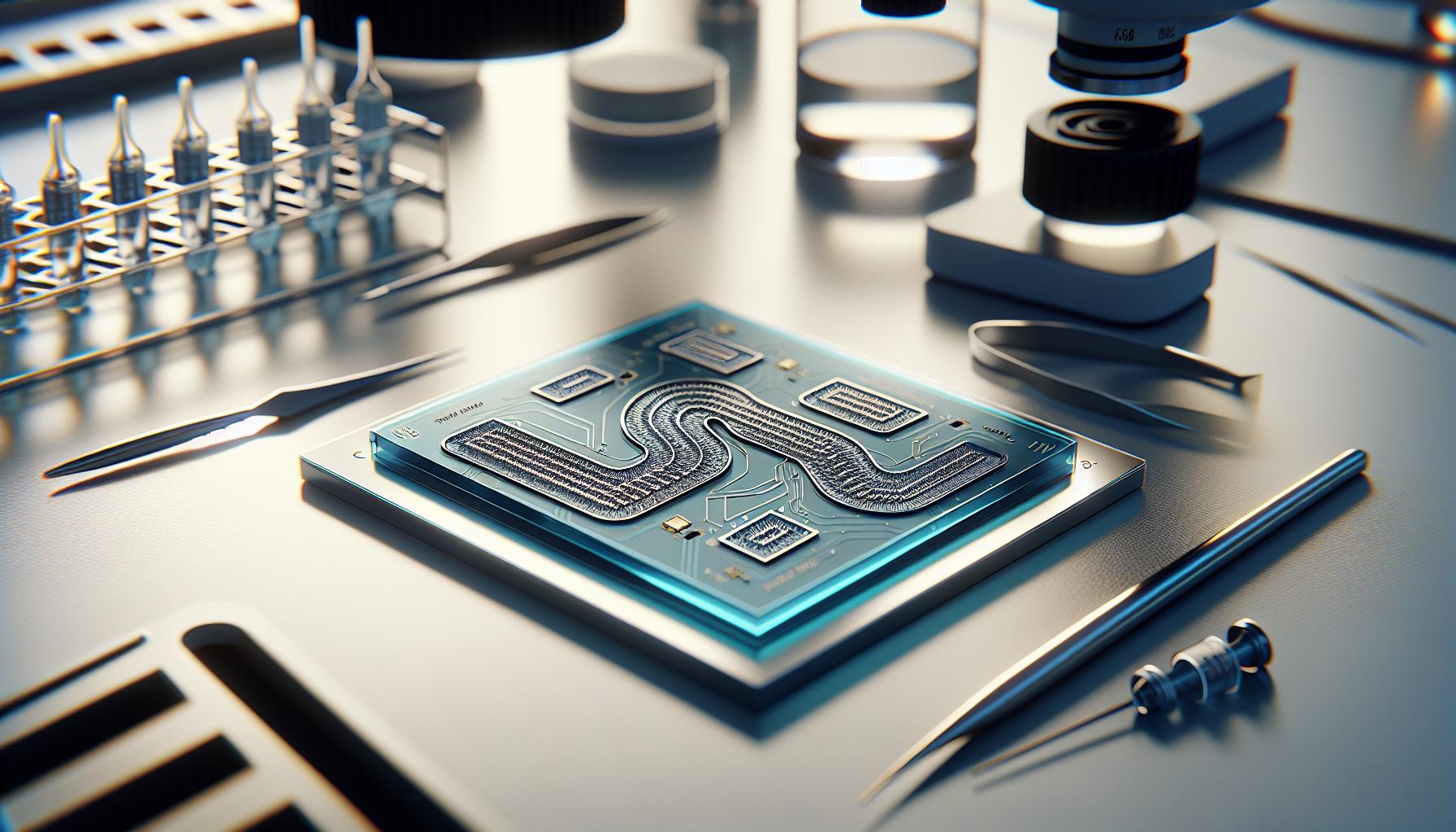
Microfluidic Serpentine Chip: Overview and Significance
In the rapidly evolving field of microfluidics, serpentine chips offer a fascinating blend of efficiency and functionality that is transforming analytical sciences. These devices typically feature a winding channel design, which facilitates enhanced mixing and reaction times even within extremely small volumes. The significance of serpentine microfluidic chips lies in their ability to optimize flow dynamics and promote laminar flow conditions-essential for various applications in chemistry, biology, and biomedical fields. Their unique geometries allow for a compact design that can efficiently manipulate fluids, making it possible to conduct a plethora of experiments on a single chip.
One of the key advantages of serpentine designs is their capability to amplify the effective surface area in contact with the fluid. This is particularly valuable in applications such as chemical synthesis, where increased surface area can enhance reaction rates. Additionally, serpentine microfluidic chips can be engineered to provide precise control over mixing and reaction environments, enabling researchers to achieve desired conditions for various analyses. The versatility in their design also means they can be tailored to specific applications, such as DNA analysis, protein studies, or environmental sensing, thus broadening their impact across multiple scientific disciplines.
In terms of practical implementation, these chips represent a significant move towards miniaturized and automated processes. By integrating various analytical functions on a single platform, they reduce reagent consumption and waste, ultimately leading to greener laboratory practices. Furthermore, advancements in fabrication technologies have made it increasingly feasible to produce these chips at scale, opening doors for widespread adoption in both academic research and commercial laboratories. The ongoing exploration into their use underscores the importance of serpentine microfluidic chips not just as experimental tools but as crucial elements in the future of analytical technology.
Design Principles for Microfluidic Chips
In microfluidic design, the layout and geometry of the chip play a pivotal role in dictating the efficiency and effectiveness of fluid manipulation. Serpentine chips, characterized by their winding channel paths, maximize surface area while minimizing volume, which fosters rapid mixing and swift chemical reactions. The essence of these design principles lies in harnessing laminar flow-a critical factor that allows fluids to move uniformly and predictably without turbulence. This predictable behavior is particularly beneficial for applications requiring precise control over fluid interactions, such as biochemical assays and environmental monitoring.
When designing a serpentine microfluidic chip, several key principles should be considered to optimize performance. Firstly, the dimensions of the channels must be meticulously tailored to the properties of the fluids being used and the required flow rates. A common approach is to establish channel widths and depths that promote the desired Reynolds numbers conducive to laminar flow. Typically, narrower channels are employed for applications involving small sample volumes, leading to a higher flow resistance but improved mixing times. Additionally, the curvature of the serpentine pathways influences the pressure drop across the chip and can be adjusted to balance fluidic resistance with mixing efficiency.
Another critical aspect is the control of the fluid dynamics through the use of various geometries and configurations. Incorporating structures such as obstacles or grooves within the serpentine channels can induce secondary flows, enhancing mixing further. Research has shown that optimally designed serpentine paths can yield mixing times significantly shorter than traditional straight channels, which is crucial in applications like PCR (polymerase chain reaction) where rapid thermal cycling is needed.
Lastly, the integration of sensors or detection mechanisms at strategic locations along the serpentine channels enhances functionality. This allows real-time monitoring of reactions and facilitates feedback loops for automated adjustments in experimental conditions. As these principles are implemented in the design of microfluidic chips, they not only improve performance metrics but also expand the potential applications across various scientific fields, reinforcing the transformative impact of serpentine microfluidic technology.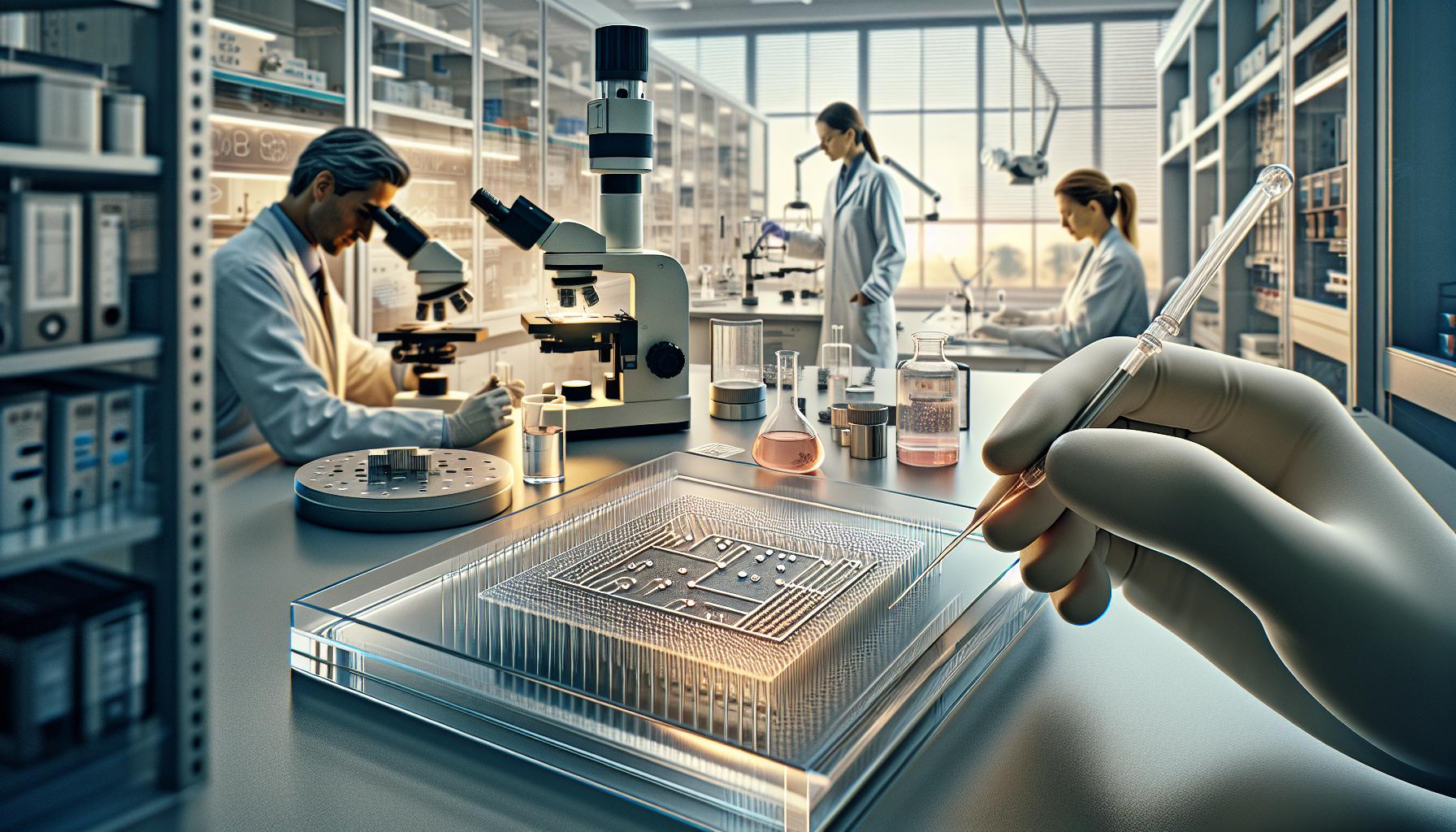
Performance Metrics for Serpentine Designs
When evaluating the effectiveness of serpentine microfluidic designs, performance metrics serve as indispensable tools in quantifying and optimizing their capabilities. Unlike traditional chip designs, serpentine configurations introduce distinct advantages that are measurable through various parameters, allowing researchers to tailor their designs to specific applications. Key performance metrics to consider include mixing efficiency, pressure drop, residence time, and flow stability.
The mixing efficiency of a serpentine chip is often assessed through its ability to facilitate laminar flow, which is crucial for biochemical reactions. Research indicates that serpentine designs can achieve mixing times that are markedly shorter than those of straight channel alternatives. This is attributable to the increased surface area contact and the unique flow patterns induced by the winding channels. Achieving optimal mixing not only reduces the time required for reactions but also enhances the homogeneity of the resulting solutions, which is critically important in applications such as drug synthesis and diagnostics.
In addition to mixing, the pressure drop along the serpentine channels must be carefully monitored. A higher pressure drop can indicate increased flow resistance, which may hinder performance. The configuration of the serpentine paths can be engineered to balance these two factors: optimizing channel dimensions and curvatures can reduce pressure loss while maintaining efficient mixing. Evaluating the pressure drop in confluence with the flow rate can provide insights into the overall energy efficiency of the system, allowing researchers to make informed decisions about how to adjust their designs for optimal performance.
Moreover, residence time is another vital metric, as it directly influences the time available for reactions to occur. In serpentine chips, the intricate pathways inherently increase residence time due to the longer travel distance fluids must navigate. This characteristic can be advantageous for chemical reactions requiring longer interaction times but must be balanced against the demand for throughput in high-volume applications.
In summary, by focusing on these performance metrics-mixing efficiency, pressure drop, and residence time-researchers can refine serpentine microfluidic designs to meet specific application needs. Achieving the right balance among these parameters not only enhances the functionality of the devices but also broadens the scope of potential applications in research and industry. Employing rigorous testing and feedback mechanisms, such as integrated sensors for real-time monitoring, further empowers teams to iterate on their designs with precision.
Material Selection for Optimal Chip Functionality
Selecting the right materials for microfluidic serpentine chips is crucial, as they directly affect the chip’s performance, durability, and compatibility with diverse applications. One of the most significant factors is the interaction between the fluid and the chip material, which can influence everything from reaction kinetics to fouling rates. Polydimethylsiloxane (PDMS), a widely used elastomer, offers excellent optical transparency and ease of fabrication, making it a popular choice in academic research. However, it also has limitations such as a tendency to absorb small molecules and exhibit swelling in organic solvents, which may not be suitable for every application.
Key Material Considerations
When choosing materials, consider the following criteria:
- Chemical Compatibility: Ensure that the chip material can withstand the solvents and reagents in your experiments without degrading.
- Surface Modification: Materials like glass and certain plastics can be treated to enhance wettability or to provide specific chemical functionalities needed for particular assays.
- Mechanical Properties: The material should be flexible enough to allow for design variations while maintaining structural integrity under pressure.
- Thermal Stability: Some applications require maintenance of specific temperature conditions; select materials that can endure these without altering their properties.
Examples of Common Materials
Various materials can be employed based on the desired characteristics:
| Material | Advantages | Limitations |
|---|---|---|
| PDMS | Easy to mold; transparent; biocompatible | Absorbs small molecules; may swell in solvents |
| Glass | High chemical resistance; excellent optical properties | Fragile; more complex fabrication |
| Polycarbonate | Good chemical resistance; lightweight | Limited high-temperature applications |
| PMMA (Acrylic) | Cost-effective; easy to fabricate; good optics | Less chemical resistant than glass; can crack under stress |
Innovative Approaches for Material Enhancement
To maximize functionality, researchers are increasingly exploring hybrid materials and coatings that enhance properties while minimizing drawbacks. For instance, integrating nanoparticles into polymer matrices can improve strength and thermal conductance, which is beneficial for applications requiring rapid temperature changes. Additionally, the application of coatings to modify surface chemistry can lead to improved performance, such as reduced nonspecific binding in biological assays.
Ultimately, the choice of material in microfluidic serpentine chips should be a well-informed decision based on not just the immediate research needs, but also the long-term application goals and potential for scalability. By carefully evaluating the material properties against your practical requirements, you can achieve optimal chip functionality and performance.
Fabrication Techniques for Microfluidic Devices
The fabrication of microfluidic devices, especially serpentine chips, is a fascinating blend of engineering precision and innovative material science. One key aspect to consider is that the methods used can significantly influence not only the performance but also the scalability and applicability of the devices in various fields. Understanding these techniques can empower researchers to tailor devices for specific applications, ensuring optimal fluid control and reaction dynamics.
One of the most commonly used techniques for creating microfluidic chips is soft lithography, particularly using polydimethylsiloxane (PDMS). This method involves crafting a master mold, typically from photolithography, and subsequently casting PDMS against it. Once cured, the PDMS retains the nanoscale features of the mold, allowing for the creation of complex channel geometries vital for serpentine designs. This technique is lauded for its cost-effectiveness and ease of use, making it ideal for rapid prototyping and iterative design processes. However, it’s worth noting that while PDMS allows for high-resolution features, it may have limitations in terms of solvent compatibility and durability-factors that need consideration based on the intended application.
Another advanced technique gaining traction is 3D printing, which offers unparalleled design flexibility. With 3D printing, researchers can create intricate designs directly, bypassing the need for a separate mold. This process enables the integration of multiple materials and functionalities in a single chip-such as incorporating sensors or valves directly into the microfluidic structure. Additionally, modern bioprinting techniques are paving the way for applications in tissue engineering, where specific microenvironment conditions can be designed and replicated effectively. Despite these advantages, the resolution and surface finish of 3D-printed parts may not always match that of traditional fabrication methods, leading to challenges in fluid dynamics that need to be addressed.
Lastly, laser ablation is a technique often used for materials such as glass or PMMA (polymethyl methacrylate). This method involves using focused laser beams to etch microchannels into solid substrates. Laser ablation is beneficial for fabricating high-precision structures and can produce chips with excellent optical transparency-ideal for optical detection methods in lab-on-a-chip applications. However, the complexity of integrating various components post-fabrication poses a challenge, demanding careful handling and assembly techniques to maintain the integrity of the microfluidic system.
These fabrication methods, alongside innovative materials and design features, significantly shape the performance and application potential of microfluidic serpentine chips. By comprehensively evaluating and selecting the appropriate fabrication techniques, researchers can ensure their devices meet specific experimental needs while pushing the boundaries of what microfluidics can achieve across research and industry applications.
Applications of Serpentine Chips in Research
In the realm of microfluidics, serpentine chips are redefining research methodologies across various scientific disciplines. Their unique design, characterized by long, winding channels, not only enhances fluid mixing and reaction efficiency but also enables precise control over the transport of tiny volumes of liquids. This versatility makes serpentine chips invaluable tools in fields such as biochemical analysis, diagnostics, and materials science.
One prominent application of serpentine microfluidic chips is in the development of advanced diagnostic devices. For instance, these chips have been employed in point-of-care testing systems, where they facilitate rapid detection of pathogens or biomarkers by allowing multiple assays to run in parallel. The serpentine structure improves the interaction time between the sample and the reagents, leading to enhanced sensitivity and accuracy. Researchers can design these chips to include various detection methods, such as fluorescence or electrochemical sensors, integrating them seamlessly into a compact format that is easy to use in clinical settings.
Another area where serpentine chips shine is in high-throughput screening applications. The ability to manipulate small volumes with precision enables researchers to test thousands of conditions simultaneously, significantly speeding up the process of drug discovery and optimization. By utilizing serpentine channel designs, scientists can create gradient environments within the chip, allowing for real-time monitoring of cellular responses to different stimuli. This approach not only reduces reagent consumption but also enhances the reliability of the experimental outcomes.
Furthermore, serpentine chips are increasingly being utilized in the study of complex biological systems, such as organ-on-a-chip models. These models mimic physiological environments, enabling researchers to observe cellular behaviors in real-time, react to drug treatments, and understand disease mechanisms at a micro-scale. The ability to design intricate flow paths in serpentine chips promotes more accurate mimicry of blood flow and nutrient delivery, which is crucial for studying tissue responses under various conditions.
In summary, the applications of serpentine microfluidic chips in research illustrate their profound impact on advancing science and technology. By offering efficient, scalable, and innovative solutions to longstanding challenges in diagnostics, drug discovery, and biological modeling, these chips are paving the way for future breakthroughs in personalized medicine and beyond. The intersection of microfluidics with traditional biological and chemical research is not just a possibility; it is becoming an essential driver of innovation in the scientific community.
Comparative Analysis: Serpentine vs. Traditional Chips
When comparing serpentine microfluidic chips to traditional microfluidic designs, the differences become immediately apparent in terms of functionality, efficiency, and application potential. Traditional chips typically feature straight or uniformly branched channels, which can limit fluid movement and reaction rates. In contrast, serpentine chips utilize long, winding channels that significantly enhance fluid dynamics. This design increases the interaction surface area, allowing for better mixing and reaction kinetics – a crucial factor in applications like biochemical assays and diagnostics.
One of the standout advantages of serpentine designs is their ability to manipulate fluid flow more effectively. The curvy paths enable increased residence time, leading to enhanced mixing and more thorough interaction between samples and reagents. In a traditional microfluidic chip, the linear flow might not provide sufficient time for these interactions, particularly in rapid assays. This can result in lower sensitivity for diagnostic tests, whereas the serpentine configuration optimizes assay performance by prolonging contact time, ultimately improving detection limits.
### Performance Metrics
The performance metrics for serpentine chips highlight their superiority in several areas:
- Mixing Efficiency: Serpentine designs achieve better homogenization of samples compared to traditional chips.
- Reaction Time: Enhanced fluid movement in serpentine paths reduces the time required for reactions to occur, enabling faster results.
- Volume Manipulation: Serpentine chips excel in handling small volumes, making them ideal for high-throughput applications.
In practical terms, these attributes make serpentine chips ideal for high-throughput screening and complex biological analyses, where traditional designs may struggle. For example, in drug discovery processes – which often require rapid testing across multiple conditions – the ability of serpentine channels to create gradients allows researchers to monitor cellular responses in real time efficiently.
Ultimately, while both serpentine and traditional microfluidic chips have their place in research and applications, the unique design of serpentine chips provides enhanced capabilities that align better with the needs of modern scientific inquiry. Whether it’s in diagnostics, materials science, or biological studies, the evidence suggests that these innovative designs are paving the way for more effective research methodologies.
Challenges and Solutions in Chip Design
Designing microfluidic serpentine chips presents a unique set of challenges that engineers and researchers must navigate. Among these challenges, one of the most significant is ensuring optimal fluid dynamics throughout the serpentine channels. As the design incorporates intricate curves and bends, the potential for dead zones during fluid flow increases, which can lead to inefficient mixing and poor reaction kinetics. To combat this, careful design considerations, such as optimizing channel dimensions and utilizing computational fluid dynamics (CFD) simulations, can be employed to predict flow patterns and identify problematic areas before fabrication.
Another key challenge lies in the material selection for these devices. The choice of materials can significantly impact both the physical performance of the chip and its compatibility with various biological reagents. For example, while polydimethylsiloxane (PDMS) is a prevalent choice due to its ease of fabrication and transparency, it can absorb hydrophobic compounds, leading to skewed assay results. Exploring alternative materials, such as glass or newer polymer composites, may enhance chemical compatibility and provide better stability under varied conditions. It’s also crucial to consider the long-term durability of the materials to avoid degradation over multiple uses.
Integration and Customization
Integration of external components, such as sensors or pumps, adds another layer of complexity to the design of serpentine chips. These integrations can complicate both the fabrication process and operational reliability. For example, ensuring that external electric or fluidic components do not disrupt the flow within the serpentine channels requires meticulous alignment and calibration procedures. One effective solution is to adopt modular designs where separate functional units can be individually designed, tested, and optimized before being integrated into the final chip.
Ultimately, addressing these challenges requires an iterative design approach, where prototypes are continuously tested and modified based on performance metrics. For instance, an initial design may undergo several rounds of CFD simulations and practical tests to refine the channel geometries, material choices, and integration methods. By fostering a collaborative environment between engineers, biologists, and chemists, projects can leverage multidisciplinary expertise, leading to innovative solutions and enhancements in microfluidic technologies.
With these strategies combined, researchers can overcome the inherent challenges in serpentine chip design, paving the way for more effective applications in diagnostics, drug testing, and beyond. The versatility of serpentine microfluidic chips continues to revolutionize the landscape of laboratory-on-a-chip technologies, enhancing both discovery and application in various fields.
Future Trends in Microfluidic Technologies
As we look toward the horizon of microfluidic technologies, the potential for innovation appears boundless, especially in the realm of serpentine chip designs. These microchip marvels, celebrated for their ability to manipulate tiny volumes of fluids with precision, are set to transform not only diagnostics and drug development but also personalized medicine and environmental monitoring. One captivating trend is the integration of artificial intelligence (AI) into microfluidic design and operation. By employing machine learning algorithms, researchers can optimize flow patterns and improve overall chip performance based on real-time data analysis, significantly reducing the time required for experimentation and development.
Advancements in material science are also poised to redefine the capabilities of microfluidic devices. The future points towards the use of smart materials that can change their properties in response to environmental stimuli. For instance, polymers that alter their permeability at specific temperatures or pH levels can enable more sophisticated biological assays on serpentine chips, facilitating real-time monitoring of chemical reactions and biological interactions. Furthermore, the advent of biocompatible materials will enhance the safety and effectiveness of lab-on-a-chip technologies for medical applications, promoting their widespread adoption in clinical settings.
Integration with Emerging Technologies
Another pressing opportunity lies in the harmonious integration of microfluidic systems with other cutting-edge technologies. For example, coupling serpentine chips with nanotechnology can lead to more sensitive detection methods for biomolecules or pathogens, revolutionizing disease diagnostics. Similarly, the incorporation of wireless sensors and IoT platforms will enable remote monitoring and control of experiments, facilitating a new era of automated laboratories. Such advancements not only enhance data collection and analysis but also expand the potential for real-time environmental monitoring applications, ensuring timely responses to chemical spills or biological threats.
Ultimately, the trajectory of microfluidic technologies suggests a future characterized by increasingly complex and multifunctional devices. As researchers continue to push the boundaries of design and functionality, the focus will shift towards creating versatile platforms capable of integrating multiple analytical processes into a single workflow. This shift will empower researchers and clinicians alike to conduct comprehensive analyses with greater efficiency and accuracy, heralding a new age of scientific discovery and innovation.
Case Studies: Real-World Implementations
Microfluidic serpentine chips are paving the way for transformative applications across various fields, demonstrating their immense potential through real-world implementations. For example, researchers at a leading university successfully utilized serpentine chip designs to enhance the detection of biomarkers in bodily fluids. By strategically engineering the microchannels, they achieved greater mixing and reaction times, leading to detection rates that are significantly faster than traditional methods. This application not only highlights the chip’s capability to process small volumes efficiently but also illustrates how precision fluid manipulation can revolutionize diagnostics, particularly in the early detection of diseases such as cancer.
Another compelling case study comes from a startup focused on personalized medicine. They employed serpentine chips to create a platform that can analyze patient-specific responses to various drug compounds. By integrating AI algorithms with the microfluidic design, they were able to optimize flow rates and mixing times based on real-time feedback from each test. This not only improved the accuracy of results but also reduced the number of required experiments, ultimately accelerating the drug development process. The ability to customize drug treatment plans based on individual responses marks a significant advance in personalized healthcare, demonstrating how serpentine chip technology can lead to more targeted therapies.
In environmental monitoring, serpentine chips have been deployed to track pollutants in water sources. By employing these microfluidic devices, researchers were able to create portable and efficient sensors that can detect hazardous chemicals at trace levels. The serpentine design allowed for prolonged interaction between the sample and the sensing material, enhancing sensitivity. Such innovations are crucial for timely responses to environmental hazards, underscoring how microfluidic technologies contribute to public safety and environmental protection.
Through these case studies, it’s clear that microfluidic serpentine chips are not just theoretical advancements but are being practically applied to improve healthcare diagnostics, personalize treatments, and monitor environmental safety. The intersection of design and function in these chips serves as a foundation for future technologies that could further enhance their capabilities, pointing toward a robust future for microfluidic applications across diverse domains.
Potential for Integration with Other Technologies
Integrating microfluidic serpentine chips with other advanced technologies opens up exciting avenues for innovation, pushing the boundaries of research and practical applications. These chips, renowned for their efficient fluid manipulation and enhanced surface interactions, can synergistically combine with complementary technologies such as artificial intelligence (AI), biosensors, and lab-on-a-chip systems. This integration not only enhances their performance but also broadens their use across various fields including healthcare, environmental monitoring, and drug development.
One prominent example of integration is with AI, which can optimize the operation of microfluidic devices in real time. By analyzing flow rates, reaction times, and mixing efficiencies, AI algorithms can adjust parameters dynamically, enabling more precise control over experimental conditions. This approach has been utilized in personalized medicine, where integrating AI with serpentine chip designs allows researchers to tailor drug testing to individual responses. Such capabilities dramatically reduce development times for therapeutics and improve patient outcomes by facilitating more effective treatment protocols tailored to specific biomarker responses.
Moreover, when coupled with advanced biosensing technologies, serpentine chips can significantly enhance sensitivity and specificity in diagnostic applications. For instance, integrating electrochemical sensors within the microfluidic platforms allows for direct detection of biomarkers with minimal sample volumes. This is particularly useful in disease diagnostics, where rapid and accurate detection is crucial. The serpentine pathways facilitate extended interaction time between samples and sensors, amplifying the detection signal and thereby improving diagnostic accuracy.
Benefits of Integration
- Enhanced Performance: Combining various technologies leads to more efficient and effective microfluidic devices.
- Broader Applications: Versatile uses in diagnostics, environmental monitoring, and personalized medicine.
- Improved Accuracy: AI allows for real-time adjustments, leading to better experimental outcomes.
- Reduced Resource Use: Integration can minimize sample and reagent consumption, further enhancing efficiency.
The confluence of microfluidic serpentine chip technology with other innovations signals a transformative approach not only to research and diagnostics but also to scalable solutions that can quickly adapt to emerging challenges in healthcare and environmental science. As researchers continue to explore new integration methods, the potential for more intelligent, responsive systems will only grow, promising a future where microfluidics becomes an indispensable tool in various sectors.
Frequently Asked Questions
Q: What are the key advantages of using microfluidic serpentine chips in lab experiments?
A: Microfluidic serpentine chips offer several advantages, including increased surface area for reactions, enhanced mixing efficiency, and precise control of fluid dynamics. These features enable superior performance in various applications, such as diagnostics and drug testing, by promoting consistent and reproducible results.
Q: How can the design of a serpentine chip affect its performance?
A: The design of a serpentine chip is critical to performance, as parameters like channel width, length, and curvature influence fluid flow rates and mixing efficiency. Optimizing these design aspects can significantly enhance a chip’s effectiveness in specific applications, such as enhancing reaction kinetics or separation processes.
Q: What materials are best suited for fabricating microfluidic serpentine chips?
A: Polydimethylsiloxane (PDMS), glass, and thermoplastics are commonly used materials. Each offers unique benefits: PDMS provides flexibility and ease of fabrication, while glass offers excellent optical transparency. The choice of material should align with the desired application and performance criteria.
Q: When should researchers consider using serpentine chips over traditional microfluidic designs?
A: Researchers should consider using serpentine chips when they require improved mixing, reduced inlet pressure, or enhanced reaction rates. Their advantageous geometry allows for more effective fluid manipulation, making them ideal for applications where precision and efficiency are paramount.
Q: What challenges do engineers face when designing microfluidic serpentine chips?
A: Engineers often face challenges such as ensuring consistent flow rates, minimizing dead volumes, and achieving reliable bonding between layers. Addressing these issues requires careful design consideration and advanced fabrication techniques to ensure optimal performance.
Q: How does the scale of microfluidic serpentine chips impact their applications?
A: The scale influences both performance and application; smaller scales allow for faster reactions due to reduced diffusion distances, which is crucial in applications like single-cell analysis. Conversely, larger designs may be better suited for bulk fluid processing, highlighting the need for tailored chip dimensions based on specific use cases.
Q: What future trends are emerging in the design of microfluidic serpentine chips?
A: Emerging trends in microfluidic serpentine chips include integrating sensors for real-time monitoring, using advanced materials for improved durability, and incorporating machine learning algorithms to optimize fluidic pathways. These innovations aim to enhance operational efficiency and miniaturization further.
Q: How can researchers troubleshoot common issues in microfluidic serpentine chip performance?
A: Common issues can often be resolved by adjusting input pressures, optimizing channel dimensions, or changing fluid properties. Regular maintenance and thorough testing during design iterations can help identify specific points of failure, ensuring consistent and reliable performance in experiments.
For more in-depth information on specific sections related to microfluidic technologies, consider exploring Material Selection and Performance Metrics in our main article.
In Conclusion
Thank you for exploring “A Microfluidic Serpentine Chip: Design and Performance Analysis.” You’ve uncovered insights into how this innovative technology can revolutionize fluid manipulation in various applications, from biomedical testing to chemical analysis. As you consider implementing microfluidic systems in your work, don’t miss out on our in-depth articles on microfabrication techniques and design optimization that can further enhance your projects.
Now is the time to take the next step-subscribe to our newsletter for exclusive updates and access to cutting-edge resources or check out our consultation services for personalized guidance. If you have questions or insights to share, please leave a comment below; we love hearing from fellow enthusiasts! Dive deeper into related topics like lab-on-a-chip technologies or advanced analytical methods to expand your knowledge and stay ahead in this rapidly evolving field. Your journey in microfluidics is just beginning-explore, engage, and innovate with us!
Get our latest guides, news, and insights highlighted in your Google Search & AI Overviews.