In recent years, organoid technology has transformed biomedical research, allowing scientists to recreate human tissues in vitro. This breakthrough facilitates drug testing and disease modeling, making it crucial for personalized medicine. A microfluidic platform that integrates functional organoids-on-chip represents a significant advancement, enabling real-time observation of organoid responses in a controlled environment. For researchers and innovators alike, this technology not only enhances our understanding of biological processes but also addresses the challenge of predicting human reactions in vitro. As you delve into this article, you’ll discover how this innovative approach bridges the gap between lab-scale research and clinical applications, offering exciting implications for future therapeutic development.
Principles of Microfluidics in Organoid Applications
Microfluidics plays a transformative role in the development and application of organoids, providing a sophisticated platform for their cultivation and analysis. By manipulating minute volumes of fluids through precisely designed microchannels, researchers can create environments that closely mimic the in vivo conditions of tissues. This technology not only enhances the physiological relevance of organoid studies but also facilitates high-throughput and automated experimentation. As a result, microfluidic systems can significantly accelerate drug screening and disease modeling processes while reducing resource consumption and improving reproducibility.
One of the core is the control of fluid dynamics at the microscale. The ability to tailor flow rates and mixing dynamics allows researchers to influence nutrient delivery and waste removal around organoids. This is essential for maintaining the health and functionality of organoid cultures over extended periods. Additionally, the integration of real-time monitoring techniques, such as fluorescence microscopy, enables the observation of organoid behavior in response to various stimuli, providing rich datasets for analysis. By optimizing these parameters, scientists can enhance organoid growth and viability, leading to more reliable experimental outcomes.
Microfluidic devices can also facilitate the generation of organoid-on-chip systems, where multiple organoids are cultured simultaneously. This approach not only conserves reagents but also permits the longitudinal study of organoid interactions and their response to therapies. By designing chips that house different organoid types-such as models of the heart, liver, or brain-researchers can explore complex biological interactions that mimic multicellular environments. This integration not only simplifies the testing of drug efficacy but also opens avenues for personalized medicine, where patient-derived organoids can be tested against various treatments to identify the most effective therapies. Thus, understanding the principles of microfluidics is key to leveraging the full potential of organoids in biomedical research.
In essence, the intersection of microfluidics and organoid technology represents a promising frontier in scientific research, combining precision engineering with biological insight. As advancements continue, it is critical to recognize both the capabilities and limitations of these systems to fully exploit their potential in advancing personalized medicine and therapeutic development.
Innovative Design of Organoids-on-Chip
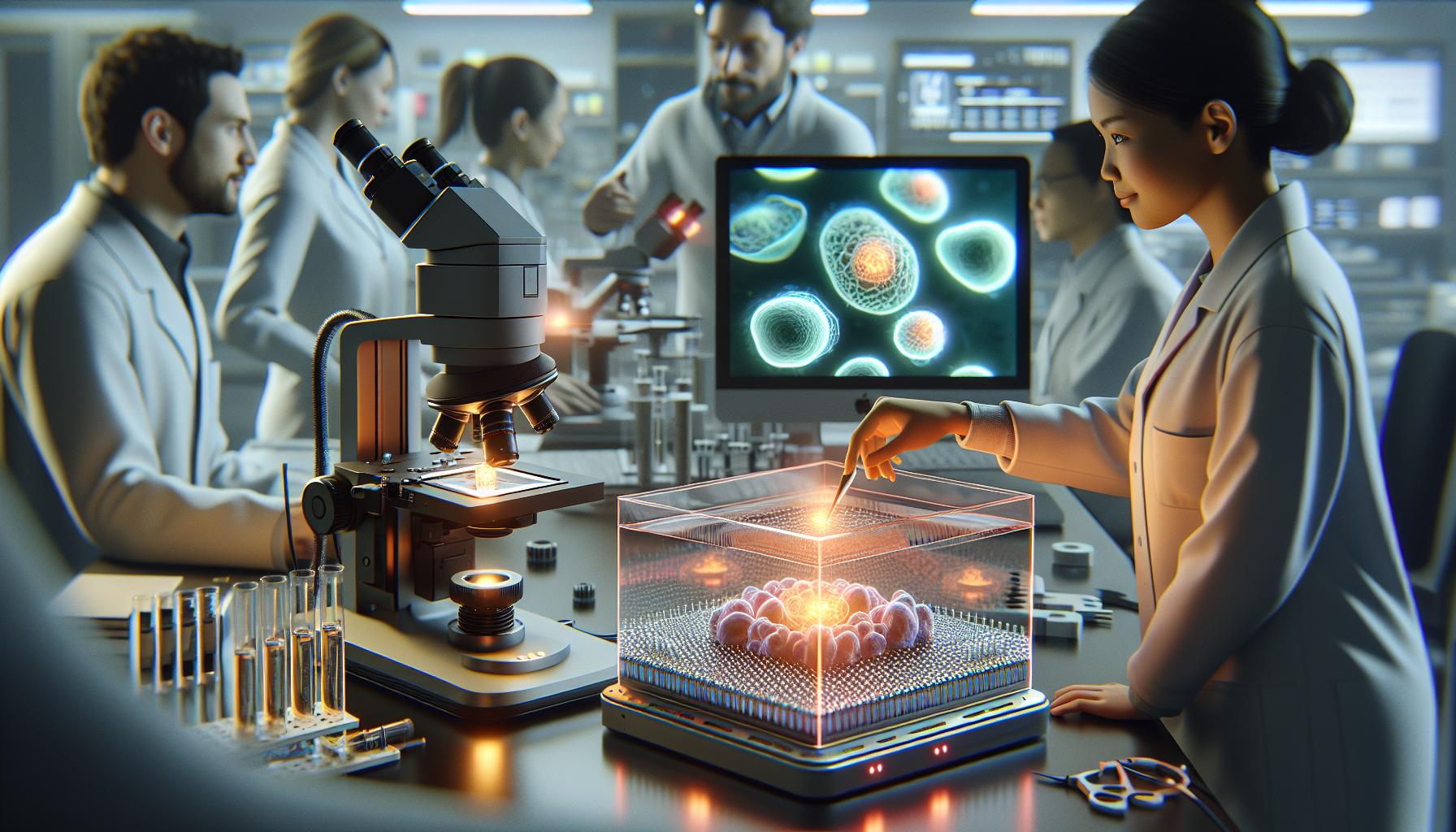
The integration of organoids-on-chip within microfluidic systems is a groundbreaking advancement that promises to transform biomedical research and therapeutic development. Imagine a platform where miniature organs, created from stem cells, can be cultivated in an environment that closely mimics human physiology-this is precisely what innovative designs in organoids-on-chip aim to achieve. By leveraging the precision and control provided by microfluidics, researchers can devise systems that support the complex needs of organoids, facilitating not only their growth but also their functional interactions in ways that were previously unattainable.
At the heart of this innovative design are intricate microchannels that allow for the controlled delivery of nutrients, signaling molecules, and oxygen, closely resembling in vivo conditions. This design goes beyond mere passive flow; instead, it employs active manipulation of fluid dynamics, including the use of gradients in concentration and flow rates to stimulate organoid development. These devices often feature multiple compartments, making it possible to culture different organoid types in concert, thereby mimicking the interactions between various tissues seen in living organisms. This capability is crucial for studying diseases that affect multiple organ systems, such as cancer or metabolic disorders, allowing researchers to observe how organoids respond to therapies in real-time.
Moreover, the design of these microfluidic platforms often incorporates smart technologies such as integrated sensors and imaging capabilities. For instance, fluorescence microscopy can be integrated directly into the chip, enabling real-time monitoring of organoid behavior without disrupting their environment. This enhances the experimental efficiency and data richness, contributing to reliable outputs that can be used to inform therapeutic strategies. The precise control over the microenvironment allows not just for better nutrient and waste management but also for detailed studies of cellular behaviors, such as proliferation, differentiation, and response to drug treatment.
In practical applications, these organoids-on-chip systems are paving the way toward personalized medicine. By utilizing patient-derived cells to create organoids, researchers can test responses to various drugs in a controlled setting, tailoring treatments to individual needs. The ability to rapidly iterate experiments within these microfluidic designs significantly accelerates the innovation cycle in drug discovery and development. Thus, the doesn’t just represent an advancement in technology; it embodies a shift toward more personalized and effective medical treatments, promising faster bench-to-bedside transitions in future healthcare solutions.
Techniques for Cultivating Functional Organoids
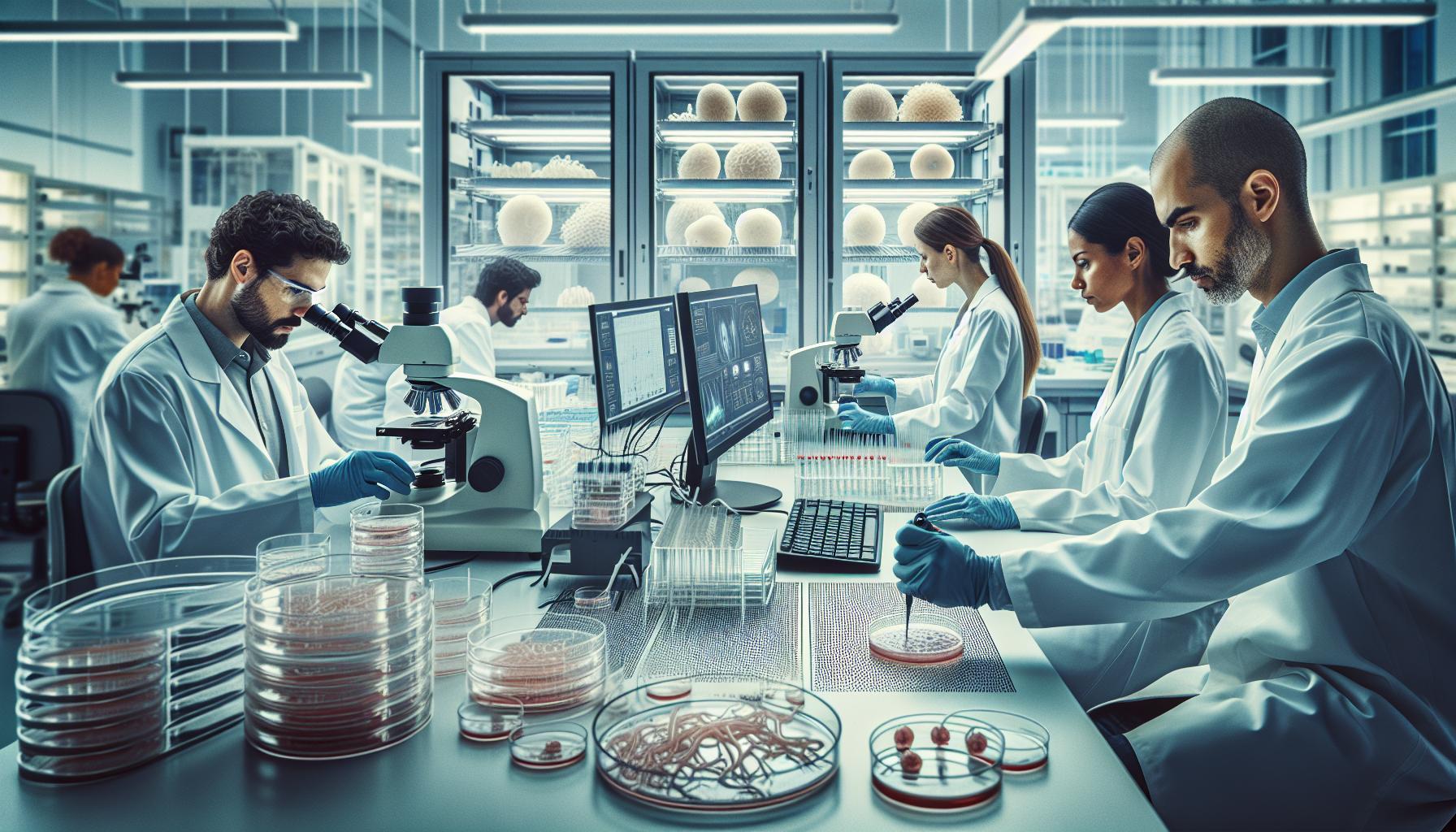
Creating functional organoids within a microfluidic platform is both an art and a science, requiring a deep understanding of cell biology, tissue engineering, and fluid dynamics. This innovative approach allows researchers to mimic the complex environments of human organs, leading to more physiologically relevant models for studying diseases and testing drugs. One effective way to cultivate organoids involves a careful orchestration of scaffold materials, culture media, and flow dynamics to optimize cellular growth and differentiation.
To begin with, the choice of scaffold material is critical. Natural hydrogels, such as Matrigel or collagen, are commonly used because they provide a biomimetic extracellular matrix that supports cell adhesion and proliferation. These materials can be mixed with growth factors to replicate specific developmental cues, enhancing the organoids’ functional integration. Incorporating microstructures into the scaffolds can further improve cell organization, allowing for better nutrient and oxygen diffusion, essential for maintaining cell health in three-dimensional cultures.
Once the scaffolds are prepared and seeded with the desired cells-typically stem cells or progenitor cells-microfluidics can take center stage. The flow rates and pressure gradients applied through the microchannels play a pivotal role in nutrient delivery and waste removal. By manipulating these parameters, researchers can create a dynamic environment that fosters organoid growth. For instance, pulsatile flow can simulate the physiological conditions of blood circulation, while steady flow helps distribute signaling molecules uniformly. This careful control can enhance the maturation of organoids, making them more representative of real tissues.
Monitoring the development of organoids is equally important. Techniques such as real-time imaging allow for the observation of growth patterns and responses to different stimuli. Integrating sensors directly into the microfluidic devices can provide continuous feedback on conditions such as pH and oxygen levels. This information allows researchers to make real-time adjustments to the culture environment, ensuring optimal conditions for organoid development.
In conclusion, cultivating functional organoids within microfluidic platforms is a multifaceted process that blends biology with engineering. By carefully selecting materials, controlling fluid dynamics, and employing advanced monitoring strategies, researchers can create organoids that not only resemble human tissues in structure but also in function. This technological synergy promises to unlock new avenues for personalized medicine and more effective drug testing methodologies, paving the way for significant advancements in healthcare.
Integration of Microfluidic Systems with Organoids
Integrating microfluidic systems with organoids creates a powerful synergy that enhances our ability to model human tissues for research and therapeutic applications. This integration allows scientists to control the microenvironment of organoids more precisely, facilitating studies on cell behavior in dynamic conditions that closely mimic physiological environments. By bringing together advanced fluid dynamics and biological engineering, this approach lays the groundwork for groundbreaking advancements in drug development, disease modeling, and personalized medicine.
At the core of this integration is the design of microfluidic chips that can accommodate organoids while providing them with constant fluid flow. This system ensures that nutrients and oxygen are consistently delivered, while waste products are efficiently removed. By using various flow patterns-such as continuous or pulsatile flow-researchers can better replicate the natural conditions found in human organs. For example, pulsatile flow systems can mimic blood circulation, which is crucial for studies involving vascularized organoids, allowing for more realistic assessments of drug absorption and tissue response.
Key Benefits of Integration
The integration of microfluidic technology with organoids offers several key benefits:
- Enhanced Control: The ability to manipulate flow rates and gradients makes it possible to study how changes in microenvironment affect organoid development and functionality.
- Real-time Monitoring: Integrated sensors can provide continuous feedback on critical parameters such as pH, oxygen levels, and nutrient concentrations, enabling timely adjustments to optimize growth conditions.
- High-Throughput Capabilities: Microfluidic systems can be designed to simultaneously culture multiple organoids, allowing for extensive screening of drugs or environmental impacts across different tissues.
For instance, researchers have successfully used microfluidics to create organoid-on-a-chip systems that study tumor microenvironments. By integrating human tumor organoids with immune cell microenvironments in a controlled flow system, scientists are discovering how different treatments can affect tumor growth and immune response. This integration not only accelerates drug screening processes but also enhances our understanding of disease mechanisms in a more physiologically relevant context.
In conclusion, the integration of microfluidic systems with organoid cultures represents a transformative advancement in biomedical research. It bridges the gap between in vitro and in vivo studies, providing a robust platform for investigating complex biological interactions. As this technology continues to evolve, it holds great promise for refining personalized medicine approaches and improving the efficacy of therapeutic strategies.
Comparative Analysis of Organoid Platforms
Organoid platforms have revolutionized the field of biomedical research, providing researchers with powerful tools to study human physiology, disease mechanisms, and drug responses in a more accurate and relevant manner. As scientists explore the various types of organoid platforms, understanding their strengths and limitations is crucial for selecting the appropriate system for specific research goals.
One of the most significant distinctions among organoid platforms lies in their structural design and fluid dynamics. Traditional organoid cultures mimic tissues but often lack the complex microenvironment seen in vivo. In contrast, microfluidic organoid systems allow for precise control over the biochemical environment, which can significantly influence organoid growth, differentiation, and function. By integrating organoids within microchannels, researchers can maintain constant flow of nutrients and remove waste products efficiently, thereby enhancing the viability and functionality of organoids compared to static culture systems.
Key Comparisons of Organoid Platforms
When evaluating organoid platforms, several factors should be considered to effectively match them to research needs:
- Structural Complexity: Some platforms replicate only basic tissue structures, while advanced microfluidic systems can incorporate multiple cell types and dynamic flows that more closely resemble in vivo environments.
- Scalability: High-throughput organoid culture systems facilitate the simultaneous growth of numerous organoids, making them ideal for drug screening applications. Microfluidic devices can often accommodate more samples compared to traditional two-dimensional cultures.
- Environmental Control: Microfluidic platforms allow for real-time monitoring of pH, temperature, and nutrient concentrations, enabling researchers to make real-time adjustments to optimize conditions for organoid growth.
- Biological Relevance: Organoids grown in microfluidic systems can exhibit more nuanced responses to stimuli when compared to those grown in simpler platforms, leading to more predictive and reliable data for drug development and disease modeling.
Practical Examples
For instance, a 3D microfluidic device developed for studying pancreatic cancer organoids allows researchers to create tumor microenvironments that include stromal and immune cell components. This setup enables investigators to observe interactions within the tumor in real time, providing insights into therapeutic responses that would be unattainable in traditional culture systems. Conversely, simpler organoid platforms may still be valuable for foundational research or preliminary screenings, particularly when resource constraints limit the use of more sophisticated technologies.
Overall, the choice between different organoid platforms is often dictated by the specific experimental questions being addressed. As technology advances, the integration of microfluidics with organoids stands out as a transformative approach for enhancing the reproducibility and relevance of biomedical research, paving the way for breakthroughs in personalized medicine and targeted therapies.
Applications of Organoids-on-Chip in Drug Testing
Organoids-on-Chip represent a groundbreaking advancement in drug testing, bridging the gap between traditional 2D cell cultures and complex in vivo systems. These microfluidic platforms not only host organoids that mimic human tissues but also create a dynamic microenvironment that closely resembles physiological conditions. This integration allows for more predictive and reliable assessments of drug efficacy and toxicity. By employing a continuous flow system, researchers can simulate blood perfusion, enhancing nutrient and oxygen delivery to the organoids while efficiently removing waste products. This setup not only improves organoid health but also generates data that are more representative of actual biological responses.
The are myriad. For instance, they provide a platform for high-throughput screening of pharmaceutical compounds, enabling researchers to test multiple drugs simultaneously under controlled conditions. By using patient-derived organoids, personalized medicine approaches can be developed, where treatments are tailored to the specific genetic and phenotypic characteristics of individual tumors. This is particularly relevant in oncology, where researchers can assess the sensitivity of cancer organoids to various chemotherapeutic agents, leading to more informed treatment decisions.
Examples of Organoid Applications in Drug Testing
- Cancer Therapeutics: In a recent study, pancreatic ductal adenocarcinoma organoids were utilized to evaluate the effectiveness of a novel drug. By monitoring the organoid’s growth response in various drug concentrations, scientists identified optimal dosages while minimizing adverse effects.
- Cardiotoxicity Assessment: Organoids derived from human heart tissues were exposed to cardiotoxic drugs within a microfluidic system. This setup provided insights into dose-dependent impacts on heart function, a crucial step in evaluating drug safety.
- Effect of Combination Therapies: Researchers can utilize these platforms to test combinations of drugs, simulating real-world treatment regimens. For example, a study demonstrated that pairing an immune checkpoint inhibitor with a chemotherapy regimen yielded synergistic effects in organoid models of melanoma.
In addition to therapeutic screening, the organoids-on-chip platforms facilitate real-time monitoring and imaging techniques, allowing researchers to visualize cellular responses to drugs as they occur. This capability enables the identification of biomarkers that may predict treatment responses or adverse effects.
Implementation Challenges and Considerations
While the potential of organoids-on-chip in drug testing is immense, challenges remain. Standardization of organoid cultures and reproducibility of results are critical to advancing these technologies. Additionally, ensuring that the organoids accurately reflect the complexity of human tissues necessitates careful consideration of the engineering parameters involved in the microfluidic design.
Moving forward, collaboration between academia and industry will be essential in overcoming these hurdles, fostering the development of more sophisticated organoid models that not only enhance drug testing but pave the way for breakthroughs in personalized medicine. The future looks promising as organoids-on-chip continue to evolve, offering a more effective bridge between laboratory research and clinical application.
Advancements in Disease Modeling with Organoids
Leveraging the intricate architecture of organoids and the precision of microfluidics, researchers are making remarkable strides in disease modeling. These advancements allow for the recreation of complex human organ systems, vital for studying diseases that are otherwise challenging to replicate in traditional models. Organoids derived from various tissues not only mimic anatomical structures but also retain the cellular diversity and functionality of the original organs. This makes them invaluable tools for understanding disease mechanisms and developing targeted therapies.
One of the groundbreaking applications of organoids-on-chip technology is in modeling cancer. For instance, researchers have developed pancreatic cancer organoids that reflect the unique genetic landscape of individual tumors. By integrating these organoids into microfluidic systems, scientists can observe tumor growth dynamics and responses to various treatments in real time. This allows for the identification of biomarkers that correlate with treatment efficacy, paving the way for personalized approaches in oncology. Moreover, using patient-derived organoids enables a more precise understanding of tumor biology, including heterogeneity and drug resistance mechanisms.
Applications in Neurobiology
Advancements in organoid technology are also transforming neuroscience. Brain organoids, resembling early-stage human brain development, have provided insights into neurological disorders such as autism and schizophrenia. Researchers can simulate disease conditions by manipulating growth factors or genetic expressions within these models, allowing for a deeper investigation into the underlying pathophysiology. The integration of microfluidics further enhances these models by enabling controlled environments that reproduce physiological conditions, crucial for studying neurodevelopmental processes and drug responses.
The potential of these microfluidic organoid systems isn’t just limited to drug testing; they are essential for toxicity assessments as well. For instance, kidney organoids can be employed to screen for nephrotoxic substances, providing early warnings about potential kidney damage from new drugs. These capabilities not only facilitate safer drug development but also streamline the process of regulatory approvals by offering more reliable preclinical data.
In summary, the combination of microfluidic systems with organoid technology is revolutionizing disease modeling across various fields. By simulating the human microenvironment with unprecedented accuracy, researchers can bridge the gap between laboratory findings and clinical applications, ultimately contributing to more effective disease treatments and personalized medicine solutions. As this technology continues to evolve, we can expect even more innovative applications that push the boundaries of biomedical research.
Exploring the Future of Personalized Medicine
The integration of microfluidic systems with functional organoids represents a pivotal development in the journey towards personalized medicine. This synergy not only enables researchers to recreate intricate human organ environments but also allows for the testing of individual patient responses to various therapies. Imagine a future where a patient’s unique disease characteristics can be dynamically modeled, providing a real-time assessment of how they would respond to specific drugs. This is no longer a distant dream; with organoids-on-chip technology, it’s an unfolding reality.
Creating these microfluidic platforms involves tailoring organoids that mimic the patient’s specific organ tissues. Using patient-derived cells to develop organoids ensures that the resulting models accurately represent the individual’s genetic and metabolic profile. This opens up myriad possibilities for personalizing treatment plans. For example, in oncology, pancreatic cancer organoids created from a patient’s tumor cells can be used to simulate treatment responses to various chemotherapeutic agents. This not only helps in identifying the most effective treatment but also reduces the trial-and-error phase commonly associated with cancer therapies, lessening adverse effects and enhancing patient outcomes.
Advantages of Microfluidic Organoids in Personalized Medicine
The application of microfluidic organoids extends beyond cancer. In fields like neurology or cardiology, organoids can allow for patient-specific models of neurodegenerative diseases or heart failure, respectively. These platforms enable researchers to investigate disease progression and potential drug effects under controlled conditions that closely mimic the in vivo environment.
Furthermore, the capability to conduct high-throughput screening on these platforms enhances research efficiency. Researchers can simultaneously test multiple drug combinations on different organoid models, significantly accelerating the drug discovery process. This shift from traditional bench-top methods to innovative organoids-on-chip systems epitomizes a paradigm change towards precision medicine.
Directions for Future Research
As we look into the future, refining these microfluidic systems poses both challenges and opportunities. Continuous efforts are required to improve the accuracy and fidelity of the organoid models, ensuring they truly capture the complexity of human physiology. Researchers must also address scalability issues, enabling these technologies to be more broadly accessible in clinical settings.
Ultimately, the goal is to democratize access to personalized medicine. By translating laboratory findings into clinical applications via user-friendly platforms, healthcare can move closer to individualized treatments that consider each patient’s unique genetic makeup and health history. Enhanced collaboration between interdisciplinary teams, including biologists, engineers, and clinicians, will drive this innovation forward, making the vision of personalized medicine not just a promise, but a practical reality for mainstream healthcare.
In conclusion, as microfluidics and organoid technology continue to evolve, they hold the potential to revolutionize how we approach disease treatment and prevention, bringing us closer to the ideal of personalized medicine where every individual receives the most effective therapies tailored specifically for them.
Challenges in Microfluidic Organoid Technology
Navigating the intricacies of microfluidic organoid technology reveals a landscape filled with both exciting potential and significant challenges. One of the foremost hurdles in integrating functional organoids-on-chip is achieving consistent and reproducible results across different experiments. Variability in organoid development and maturation can lead to discrepancies in experimental outcomes, complicating the interpretation of results. Factors such as the source of the cells, differentiation protocols, and environmental conditions all play critical roles in determining the success of the organoid model. Ensuring that the organoids consistently mimic in vivo tissue is essential for their application in drug testing and disease modeling.
Another challenge is optimizing the microfluidic design to facilitate effective nutrient and waste transport, as well as fluid dynamics within the device. Organoids require a precise microenvironment, including optimal fluid shear stress and nutrient gradients, to thrive and function similarly to their natural counterparts. Engineering these microfluidic systems often entails trial and error, as the choices made during design-such as channel size, flow rate, and surface chemistry-can profoundly affect organoid viability and functionality. Therefore, multidisciplinary collaboration among engineers, biologists, and clinicians is vital to address these complexities and improve the design of microfluidic platforms.
Moreover, scaling these technologies for widespread clinical application presents its own set of obstacles. Current microfluidic organoid systems often operate on a small scale, which limits throughput and the ability to evaluate numerous conditions simultaneously. Researchers must develop techniques that allow for high-throughput capability while maintaining the fidelity of organoid models. Addressing these issues will not only enhance the utility of organoids in precision medicine but also facilitate their adoption in routine clinical settings.
Lastly, ethical considerations cannot be overlooked as organoid technology advances. The use of human-derived cells raises questions regarding consent, potential commercialization of biological materials, and the implications of creating organ-like structures that may exhibit some level of consciousness or awareness. Balancing scientific innovation with ethical responsibility is crucial as we explore the frontiers of organoid research. By tackling these challenges head-on, the scientific community can harness the full potential of microfluidic organoid technology, paving the way for breakthroughs in personalized medicine that were once thought to be the realm of science fiction.
Ethical Considerations in Organoid Research
As organoid research continues to advance, the ethical implications surrounding the use of human-derived cells and organ-like structures become increasingly complex. One of the primary concerns is informed consent; researchers must ensure that individuals providing tissue samples fully understand how their biological materials will be used. This includes potential research, commercialization, and future developments. Clear communication regarding the purpose of organoid creation and its applications in medical research is vital to engender trust and transparency in the scientific community.
In addition to consent, there are significant concerns about the commercialization of biological materials. The potential for profit from organoid technology raises questions about ownership rights and the ethical treatment of donors. How profits are shared, if at all, with individuals who contributed to research must be considered as part of a fair ethical framework. These aspects are essential not only for individual rights but also for maintaining public confidence in medical research practices.
Moreover, the creation of organ-like structures that exhibit complex biological behaviors introduces ethical dilemmas regarding consciousness and moral consideration. As organoids become more sophisticated, resembling physiological functions more closely, discussions about the ethical status of these entities emerge. Researchers must contemplate the degree to which these structures warrant protections and the implications of creating models that could mimic aspects of human life. This discourse could reshape how society views organoids and their applications in research.
To navigate these ethical challenges effectively, researchers should engage in multidisciplinary discussions that include ethicists, policymakers, and community advocates. Establishing guidelines that govern the use of organoids in research can help ensure ethical integrity and foster responsible innovation. By addressing these considerations thoughtfully and proactively, the scientific community can support advancements in organoid technology while respecting individual rights and societal values.
Case Studies: Successful Implementations of Organoids-on-Chip
The integration of organoids into microfluidic platforms is redefining experimental approaches in biomedical research, offering a glimpse into the future of disease modeling and drug testing. One notable example of successful implementation is the creation of a liver-on-a-chip that accurately mimics the organ’s microenvironment, enabling researchers to assess drug metabolism and toxicity with unprecedented precision. This model utilizes patient-derived liver organoids cultured within a microfluidic system, allowing for dynamic control of fluid flow and nutrient exchange. The adaptability of this platform not only enhances the relevance of findings but also provides a streamlined methodology for personalized medicine applications.
Another compelling case study involves the development of a brain-on-a-chip system, which incorporates organoids that emulate the complexity of human neural tissue. This innovative platform has been utilized to study neurodevelopmental disorders, showcasing how microfluidic organoids can facilitate high-throughput screening of therapeutic compounds. By generating distinct microenvironments for each organoid within the chip, researchers can investigate cellular responses to varying conditions, leading to valuable insights into disease mechanisms and potential treatments.
Moreover, collaborative efforts between universities and biotech companies have yielded significant advancements in organoid-on-chip technologies. For instance, a partnership focused on cancer research has developed a tumor-on-a-chip model to simulate the tumor microenvironment. This approach has accelerated the discovery of novel cancer therapies by allowing for co-culture of tumor organoids with immune cells within a controlled microfluidic environment. Such collaborations not only enhance research capabilities but also bridge the gap between laboratory findings and clinical applications.
In summary, the successful implementation of organoids-on-chip exemplifies the power of microfluidic technologies in enhancing biological research. As these systems continue to advance, they promise to revolutionize our capabilities in studying complex diseases and contribute to the development of more effective, patient-specific therapies. Organizations aiming to harness these technologies will find themselves at the forefront of biomedical innovation, equipped to tackle some of the most pressing challenges in health care today.
Collaboration Between Researchers and Industry in Organoid Development
In the evolving landscape of biomedical research, the integration of organoids into microfluidic platforms has catalyzed unprecedented collaborations between academic researchers and industry leaders. These partnerships not only harness cutting-edge technology but also accelerate the translation of laboratory findings into clinical applications. By merging deep scientific expertise with practical industry resources, organizations can pioneer new solutions to complex biological challenges, particularly in drug discovery and disease modeling.
Collaboration often begins in academic settings where researchers explore novel applications of organoids on microfluidic chips. For instance, a key example is the partnership between a university’s biotech department and a pharmaceutical company. This collaboration led to the development of an organoid model that simulates a specific tumor microenvironment, allowing researchers to investigate cancer therapies in a biologically relevant context. Such models enable the exploration of drug interactions in real time, providing critical insights that enhance the drug development process.
Benefits of Collaboration
The advantages of these collaborations extend beyond technical expertise. By pooling resources, both researchers and industry partners can share risks associated with developing new technologies. They can also navigate regulatory pathways more effectively, given the industry’s familiarity with compliance hurdles. This synergy promotes a culture of innovation, where findings from microfluidic organoid experiments inform new drug candidates and business strategies in the pharmaceutical sector.
In addition, these partnerships facilitate knowledge exchange, fostering an environment where academic breakthroughs can quickly inform practical applications. Regular workshops and joint seminars can be organized to keep all stakeholders updated on the latest advancements, maintaining a rich dialogue that drives forward not just specific projects, but also the field as a whole.
Ultimately, the collaboration between researchers and industry in the development of organoids-on-chip technologies is a model for the future of biomedical research. By combining diverse expertise and resources, these partnerships can overcome challenges, push the boundaries of scientific inquiry, and significantly advance the effectiveness of personalized medicine. The potential of these platforms is vast, promising more tailored treatments and a deeper understanding of complex diseases, which benefits both science and society at large.
Q&A
Q: What are the advantages of using a microfluidic platform with organoids-on-chip?
A: The primary advantage of a microfluidic platform with organoids-on-chip is its ability to create controlled microenvironments that mimic native tissue. This enhances cell-cell interactions, promotes realistic biochemical gradients, and improves reproducibility in experiments, making it ideal for applications like drug testing and disease modeling.
Q: How do organoids-on-chip improve drug development processes?
A: Organoids-on-chip streamline drug development by enabling high-throughput screening of compounds in physiological conditions. They allow researchers to assess drug efficacy and toxicity more accurately, potentially reducing the reliance on animal models while providing more predictive results about human responses.
Q: What types of diseases can be modeled using organoids-on-chip?
A: Organoids-on-chip can effectively model various diseases, particularly cancers and genetic disorders. They provide insights into tumor microenvironments, tumor progression, and responses to therapies, ultimately aiding the development of personalized treatment strategies.
Q: What challenges are associated with integrating microfluidics and organoids?
A: Integrating microfluidics with organoids poses challenges such as maintaining organoid viability, ensuring consistent nutrient flow, and managing the complexity of device fabrication. Overcoming these barriers requires careful design and optimization of microfluidic systems to support organoid health and function.
Q: Can organoids-on-chip be used for personalized medicine?
A: Yes, organoids-on-chip hold significant promise for personalized medicine. By using patient-derived cells to create organoids, researchers can tailor drug testing to individual responses, leading to more effective and personalized therapeutic options based on specific patient genetics and disease characteristics.
Q: How do microfluidic systems enhance the cultivation of functional organoids?
A: Microfluidic systems enhance the cultivation of functional organoids by providing precise control over culture conditions, including nutrient delivery, waste removal, and environmental parameters. This results in improved growth patterns, cell differentiation, and more representative organoid behavior.
Q: What is the future potential of organoids-on-chip in biomedical research?
A: The future potential of organoids-on-chip in biomedical research is vast. They are expected to enable breakthroughs in regenerative medicine, drug discovery, and disease modeling, paving the way for innovative therapies and enhancing our understanding of complex biological systems.
Q: How are ethical considerations addressed in organoid research?
A: Ethical considerations in organoid research are addressed through strict guidelines governing the use of human tissue, informed consent, and implications of genetic modifications. Research organizations ensure compliance with ethical standards to promote responsible use of organoids in scientific studies.
Concluding Remarks
In exploring “A Microfluidic Platform Integrating Functional Organoids-on-Chip,” we’ve uncovered its transformative potential for personalized medicine and drug discovery. This innovative technology not only enhances our understanding of human biology but also accelerates the development of targeted therapeutic strategies. As you consider the implications for your research or professional practice, don’t miss out on additional resources that can deepen your knowledge-check out our guides on advanced microfluidics and the latest trends in organoid research.
Ready to take the next step? Subscribe to our newsletter for regular updates on cutting-edge developments and exclusive insights from industry experts. Whether you have questions or want to share your thoughts, we encourage you to join the conversation in the comments section below. Your engagement helps us all push the boundaries of science together. Explore more and stay at the forefront of innovation today-because the future of biomedical technology is here, and it’s waiting for you!
Get our latest guides, news, and insights highlighted in your Google Search & AI Overviews.