Imagine a world where we can analyze individual cells with unprecedented precision, unlocking the secrets of cellular behavior and disease. The Droplet-to-Digital (D2D) microfluidic device is at the forefront of this revolution, transforming how we approach single-cell analysis. By precisely handling picoliter-scale samples, D2D technology enables researchers to capture and interrogate single cells in their native environments, providing insights that traditional methods simply cannot achieve.
This innovation is particularly vital for the fields of cancer research, immunology, and personalized medicine, where understanding the variability among individual cells can lead to breakthroughs in treatment and diagnostics. As you delve into the mechanics and applications of D2D microfluidics, you’ll discover not only its technical prowess but also how it embodies the potential to enhance our understanding of complex biological systems. Join us in exploring this exciting intersection of cutting-edge technology and biological inquiry-your next significant discovery may be just a droplet away!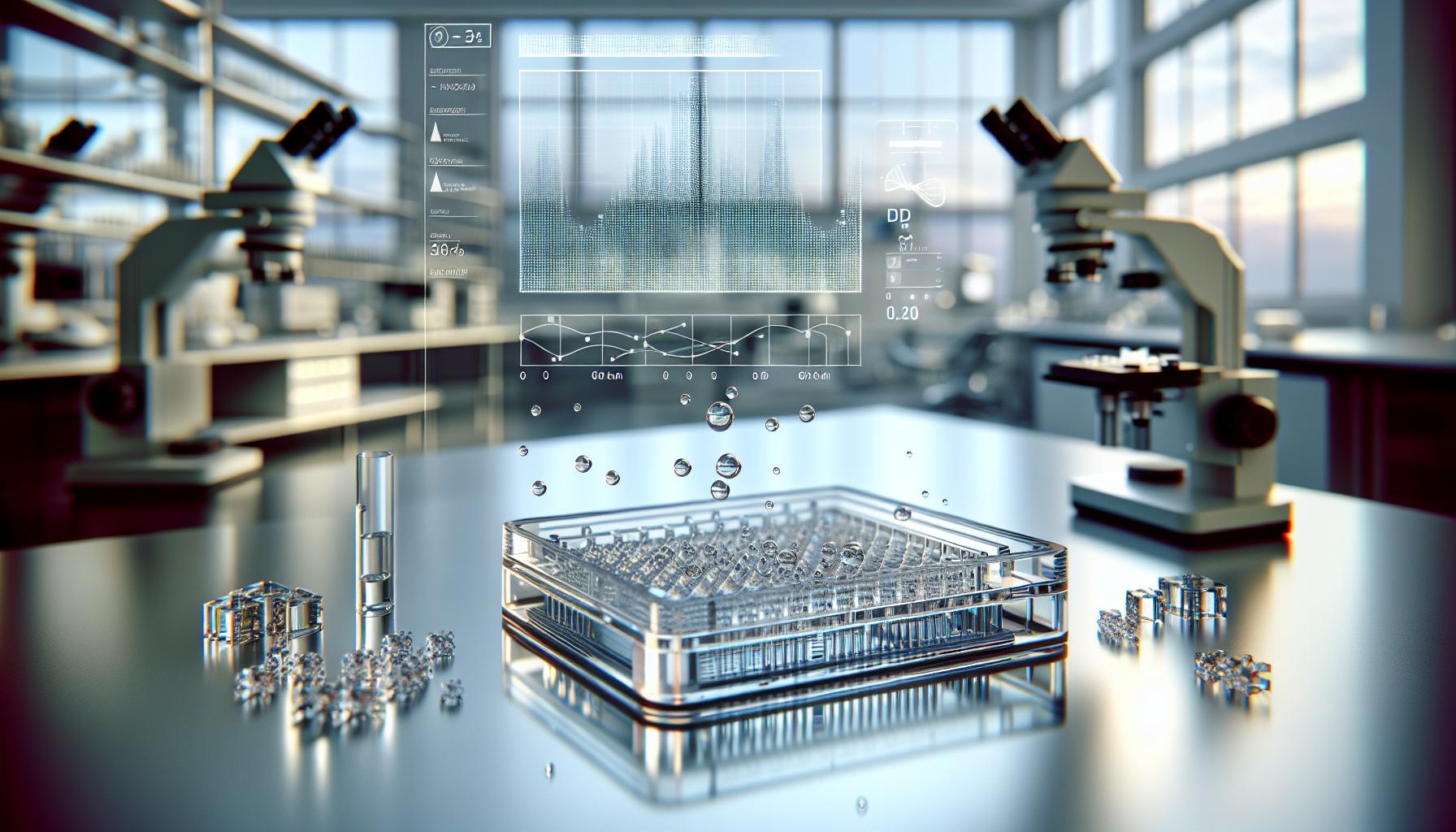
Understanding the Droplet-to-Digital (D2D) Concept
The Droplet-to-Digital (D2D) concept revolutionizes the way we interact with microfluidic systems, bringing a transition from traditional laboratory practices to automated, real-time data acquisition and analysis. By transforming microdroplets into digital signals, D2D devices enable precise control and manipulation of fluid samples on a microscale, which is essential for applications such as single-cell analysis. This approach not only enhances the efficiency of experiments but also minimizes the risks of contamination and human error, paving the way for more reliable results in life sciences.
At its core, the D2D framework utilizes microfluidic chips to generate and control picoliter-sized droplets. These droplets can encapsulate individual cells or biomolecules, allowing researchers to perform analyses with unprecedented resolution. The integration of digital sensors within these systems facilitates the collection of quantitative data, enabling the monitoring of biochemical reactions as they occur in real-time. This simultaneous droplet manipulation and data logging highlight the synergy between hardware and software, providing researchers with an efficient platform for high-throughput analysis.
Moreover, one of the most compelling aspects of the D2D concept is its versatility across various applications. In single-cell analysis, for instance, the ability to isolate and analyze cells in discrete droplets allows for detailed gene expression profiling and phenotypic characterization. Comparing D2D methods with traditional cell analysis techniques reveals major advantages, particularly in throughput and data richness. Traditional methods often require bulk processing, which can mask individual cell behaviors that are critical for understanding complex biological systems.
As the field of microfluidics continues to evolve, the D2D approach stands out as a beacon of innovation, promising to transform not only research methodologies but also clinical diagnostics. By continuously refining these technologies, researchers are poised to unlock new possibilities in personalized medicine and synthetic biology, making D2D a crucial concept for future explorations in biotechnology.
Key Features of D2D Microfluidic Devices
The evolution of microfluidic technology has led to the creation of Droplet-to-Digital (D2D) microfluidic devices, which are characterized by their ability to encapsulate tiny droplets and convert their behavior into digital signals for analysis. One remarkable feature of D2D systems is their capacity for high-throughput analysis. By isolating individual cells or biomolecules in separate droplets, researchers can perform parallel assays with minimal contamination risk, leading to a collection of rich data sets reflective of diverse biological responses.
Another key aspect of D2D devices is their integration of advanced control mechanisms. These systems often employ pneumatic or electrokinetic principles to manipulate droplets with high precision, allowing for specific combinations of reagents to be introduced into distinct droplets. This level of control not only enhances experimental reproducibility but also enables the execution of complex multi-step processes within a single apparatus. Furthermore, the real-time monitoring capabilities afforded by embedded sensors mean that scientists can capture dynamic biological processes as they unfold, thereby gaining insights that would be difficult, if not impossible, to gather through traditional approaches.
The versatility of D2D microfluidic devices extends across various applications, but a compelling advantage lies in their use for single-cell analysis. By obtaining detailed gene expression profiles and assessing individual cell responses to stimuli, researchers can explore cellular heterogeneity that conventional bulk analysis methods would overlook. This capability is crucial for understanding complex diseases, such as cancer, where the behavior of specific cell populations can significantly influence treatment outcomes.
In addition to these practical advantages, D2D systems are designed for user-friendly operations. Many are equipped with intuitive interfaces and software that streamline data acquisition and analysis, making them accessible to both seasoned researchers and newcomers to the field. This accessibility, combined with the robust performance of D2D devices, positions them at the forefront of innovation in life sciences and biotechnological research.
Applications in Single-Cell Analysis
Research in single-cell analysis has witnessed a transformative shift with the advent of D2D microfluidic devices. These innovative systems simplify the process of isolating single cells within tiny droplets, allowing for precise measurements of cellular responses to various stimuli. This capability unlocks the potential to explore cellular heterogeneity-an essential aspect in understanding complex biological processes and diseases, particularly cancer.
D2D devices excel in providing comprehensive insights into single-cell gene expression profiles. By analyzing individual cells instead of averaging responses across large populations, researchers can identify distinct behavioral patterns, uncover rare cell types, and explore the effects of microenvironments on cellular activities. For instance, a study examining tumor microenvironments utilized D2D technology to reveal how specific immune cells interact with cancer cells, leading to more effective therapeutic strategies tailored to individual patient profiles.
Additionally, the versatility of D2D systems enables the implementation of high-throughput experiments. Researchers can perform numerous assays in parallel without the contamination risks associated with traditional methods. This not only accelerates data collection but also enhances the statistical significance of results. Moreover, the real-time monitoring capabilities of D2D devices facilitate the tracking of dynamic cellular responses over time, providing insights into processes such as cell differentiation and response to drug treatments.
The integration of advanced sensors within these devices further enriches single-cell analysis. These sensors enable the detection of a variety of biomarkers, allowing for multiplexed assays that can measure multiple parameters simultaneously. As a result, D2D microfluidics is not only enhancing our understanding of cellular behavior but is also paving the way for breakthroughs in diagnostics and personalized medicine. The future of single-cell analysis is rapidly advancing, and D2D technologies are at the forefront of this evolution, providing researchers with the tools needed to delve deeper into the complexities of life at the cellular level.
Advantages of Microfluidic Techniques in Biotechnology
Microfluidic techniques are revolutionizing the landscape of biotechnology, particularly in the realm of single-cell analysis. Not only do these methods allow for the manipulation and study of tiny volumes of liquids, but they also accommodate processes that are otherwise challenging with traditional bulk methods. A standout feature is their ability to provide precise control over the microenvironment of individual cells, enabling researchers to uncover intricate cellular behaviors and interactions that might be obscured in larger populations.
One of the key advantages of microfluidic devices, particularly in a Droplet-to-Digital (D2D) framework, is their capacity for high-throughput experimentation. These systems can perform multiple assays simultaneously in parallel droplets, minimizing the risk of cross-contamination. This kind of parallel processing results in faster data generation and enhances the reliability of statistical analyses, allowing researchers to derive significant insights from complex datasets quickly. For instance, in drug response studies, the ability to observe individual cells’ reactions in real-time helps identify potential therapeutic targets more effectively than traditional methods, which may average out crucial responses.
Moreover, the integration of sensors into microfluidic devices amplifies their utility. These sensors can simultaneously measure various biological markers within the same droplet, facilitating multiplexed analyses that provide a more comprehensive view of cellular functions. This multiplexing capability is critical when assessing complex traits such as gene expression and protein interactions across different cell types or conditions. As a practical example, researchers can utilize these techniques to study the differential expression of oncogenes in cancer cells versus normal cells, paving the way for targeted therapies.
In essence, the versatility of microfluidic devices allows for greater adaptability in experimental designs. Researchers can fine-tune their approaches based on the specific biological questions being posed, whether they involve cell signaling pathways, drug effects, or biomarker discovery. As this technology continues to evolve, microfluidics is set to play an even more integral role in advancing our understanding of biology at a single-cell level, ultimately driving innovations in diagnostics, treatment, and personalized medicine.
Comparison with Traditional Single-Cell Analysis Methods
In the dynamic field of single-cell analysis, Droplet-to-Digital (D2D) microfluidic devices represent a significant advancement over traditional methods. While conventional techniques like flow cytometry and microscopy have dominated this space for years, they often require substantial sample volumes and may introduce variability through manual processes. In contrast, D2D technology allows for the manipulation of nanoliter-sized droplets, promoting a controlled microenvironment that can precisely represent individual cellular behaviors.
One key difference lies in the throughput and efficiency of the analysis. Traditional methods typically analyze large populations of cells, averaging their responses and potentially obscuring crucial interactions at the single-cell level. In contrast, D2D systems can simultaneously process thousands of individual droplets, each containing a single cell. This parallelization not only accelerates data collection but also enhances the resolution of the analysis, allowing researchers to capture unique cellular responses and variabilities that traditional methods might miss. For instance, when studying responses to drug treatments, the ability to track each cell’s reaction in real-time can reveal diverse responses within a heterogeneous population.
Additionally, the integration of sensors within D2D devices allows for multiplexed analyses-measuring multiple parameters from the same droplet. This is a stark contrast to traditional analysis techniques, which often focus on one or two markers at a time. For example, with D2D, it is feasible to evaluate gene expression along with protein levels in individual cells simultaneously. This comprehensive data enables a more nuanced understanding of cellular functions and disease mechanisms, fostering discoveries that could lead to breakthrough therapies and personalized medicine approaches.
However, transitioning to D2D systems is not without its challenges. Traditional methods have well-established protocols and extensive existing literature, making them familiar territory for many researchers. Moreover, the technical learning curve associated with microfluidic devices may deter some labs. Nevertheless, as more researchers recognize the limitations of traditional techniques, the potential of D2D systems to unlock new biological insights becomes increasingly attractive. Embracing this technology positions laboratories at the forefront of biotechnology innovation, paving the way for significant advancements in our understanding of cellular complexities.
Through the D2D approach, the scientific community stands on the cusp of redefining single-cell analysis, turning traditional paradigms upside down and opening new avenues for research and discovery.
Design Considerations for D2D Systems
In developing a successful Droplet-to-Digital (D2D) microfluidic system, several critical design considerations must guide the integration of various components. The foundational goal is to create an environment that not only supports the manipulation of nanoliter-sized droplets but also ensures the precise capture and analysis of single-cell behaviors. Here’s a look at some of the pivotal aspects that need careful planning and execution.
To start, the selection of materials used in the microfluidic chip is paramount. The choice often hinges on optical clarity, chemical compatibility, and ease of fabrication. Polydimethylsiloxane (PDMS) is a popular option due to its flexibility and transparency, allowing for effective optical detection while being compatible with a range of biological samples. However, researchers must also consider wear and tear from repeated use, especially in high-throughput experiments. This consideration could lead to exploring newer materials like thermoplastics or glass, which offer durability and can withstand extensive use without degrading performance.
Another essential design element is the droplet generation mechanism. Techniques such as T-junction or flow-focusing geometry should be employed based on the desired droplet size and uniformity. Adjusting flow rates and the viscosity of the fluids can critically influence droplet formation, which needs careful calibration to achieve consistent results across multiple experiments. Furthermore, a well-designed droplet manipulation system-impacting how droplets interact with each other-ensures efficient routing to detection and analysis stages.
Integrating sensors into the D2D device enhances its functionality, allowing simultaneous assessment of multiple biological markers-crucial for applications in single-cell genomics and proteomics. Considering the spatial arrangement of sensors is vital; they must be positioned to minimize dead volumes while maximizing the capture of the relevant analytes. Moreover, an effective fluidic design should be able to facilitate easy replacement of reagents and minimize contamination, ensuring the integrity of each droplet’s content.
Lastly, effective data management cannot be overlooked in D2D systems. The integration of high-throughput data capture requires robust software capable of handling large datasets generated during experiments. Advanced algorithms for data processing and analysis, including machine learning techniques, can offer deep insights into cellular behaviors and interactions, transforming raw data into actionable biological knowledge. Coordination between hardware and software components must be seamless to ensure reliable performance and reproducibility of results.
Exploring these aspects holistically during the design phase not only increases the efficacy of D2D systems but also paves the way for innovative applications across various fields of biomedicine and biotechnology. Each consideration, from material selection and droplet generation to sensor integration and data management, contributes to creating a sophisticated tool that can redefine how researchers approach single-cell analysis.
Integration of Sensors in D2D Devices
Integrating sensors into Droplet-to-Digital (D2D) microfluidic devices transforms them from mere fluidic platforms to powerful analytical tools capable of multiplexing and real-time monitoring. The breathtaking precision offered by these sensors allows researchers to capture the nuanced behavior of individual cells within their microenvironment, which is crucial for advancing fields like single-cell genomics and proteomics. By enabling the simultaneous assessment of various biological parameters, the sensory integration empowers researchers to glean deeper insights from minute samples, thus pushing the frontiers of biomedicine.
One of the primary considerations is the type of sensors integrated into the system. Optical sensors, such as fluorescence detectors, are commonly employed due to their ability to analyze the presence of specific biomarkers through light emission. This method is particularly advantageous when examining cellular responses, as it provides real-time data on cellular processes. Electrical sensors, on the other hand, can monitor changes in impedance or charge, providing insights into cellular health and functionality. Deciding on the type and arrangement of these sensors can significantly affect experimental outcomes and data richness.
Spatial Arrangement of Sensors
The spatial configuration of sensors within the D2D device is critical. Sensors should be strategically positioned to minimize dead volumes-areas where fluid may stagnate without analysis-while maximizing contact with the flowing droplets. This arrangement enhances the efficiency of sample collection and ensures that important biological markers are accurately detected. For instance, placing sensors at junction points within a flow chamber can optimize interactions between droplets and the sensing elements. Moreover, utilizing microfabrication techniques allows for the customization of sensor positioning, catering to specific experimental needs and improving the overall data collection process.
Fluidic Design and Contamination Control
An effective fluidic design also plays a significant role in sensor performance. Systems must be capable of facilitating the easy replacement of reagents while minimizing contamination risks. One strategy is to implement dedicated fluid pathways for different reagents, which reduces the chance of cross-contamination and preserves the integrity of each droplet’s biological content. Additionally, incorporating self-cleaning mechanisms or using anti-fouling materials in sensor surfaces can further enhance reliability and lifespan.
In conclusion, the integration of sensors within D2D systems not only broadens their analytical capabilities but also significantly improves the reproducibility and reliability of experiments. By focusing on effective design and implementation strategies, researchers can harness the full potential of D2D microfluidic devices for single-cell analysis, leading to breakthroughs in understanding cellular behavior and interactions at unprecedented resolutions.
Data Processing Techniques for Single-Cell Insights
The integration of precise data processing techniques within Droplet-to-Digital (D2D) microfluidic devices propels single-cell analysis into a new era of biological discovery. These devices not only capture the minute details of cellular behavior but also transform this raw data into actionable insights. A key element in maximizing the utility of D2D systems lies in the sophisticated processing algorithms that convert complex signal patterns into interpretable biological information.
One fundamental approach is to utilize machine learning algorithms that can handle vast datasets obtained from single-cell analyses. By training models on reference datasets, researchers can classify cellular states or predict responses to stimuli with remarkable accuracy. For example, convolutional neural networks (CNNs) can be implemented to analyze fluorescence images captured by sensors, enabling the detection of specific biomarkers at the single-cell level. This capability is especially beneficial for tasks such as identifying rare cell populations or monitoring dynamic cellular responses over time.
Data Transformation and Normalization
The initial step in data processing often involves transforming raw sensor readings into a more uniform format. This includes normalization techniques to adjust for variability in signal intensity that may arise from differences in the sensitivity of sensors or environmental conditions. For instance, employing log transformation can help stabilize variance across datasets, making it easier to compare the biological implications of measurements. Furthermore, utilizing batch correction methods can mitigate systematic biases introduced from various experimental runs, ensuring that comparative analyses across multiple samples are meaningful and reliable.
Statistical Analysis and Visualization
Effective data visualization is crucial for interpreting the intricate results generated by D2D systems. Implementing statistical approaches such as principal component analysis (PCA) allows researchers to reduce the dimensionality of high-dimensional datasets, uncovering patterns that might not be immediately apparent. Visual tools like heatmaps, scatter plots, and violin plots serve to convey significant findings succinctly. The incorporation of tools such as R or Python libraries allows seamless integration of data analysis and visualization, facilitating interactive exploration of cellular behaviors.
Ultimately, the combination of advanced machine learning techniques, robust normalization practices, and insightful visualizations equips researchers with the necessary tools to extract meaningful insights from complex datasets generated by D2D microfluidic devices. By harnessing these data processing techniques, the D2D methodology is not just a conduit for capturing cellular information but a powerful framework for driving discoveries within single-cell analysis, revolutionizing our understanding of biological processes.
Challenges in Implementing D2D Microfluidics
Implementing Droplet-to-Digital (D2D) microfluidic systems poses a unique set of challenges that can significantly impact their effectiveness in single-cell analysis. One of the most pressing issues is achieving precise control over droplet formation and manipulation. Variations in droplet size and uniformity can lead to inconsistent experimental results, affecting the reliability of data obtained from these systems. Engineers and researchers must carefully optimize the fluid properties, channel geometry, and external forces to ensure reproducibility across multiple experiments.
Another challenge centers around the integration of sensors within these systems. While D2D microfluidics allows for high-throughput analysis, the miniaturization of sensors can hinder their accuracy and functionality. Sensor limitations, including sensitivity and response time, must be addressed to ensure that they effectively capture the rapid and often subtle dynamics of cellular processes. Moreover, the need for diverse sensors for different applications requires a versatile design approach, which can complicate the development process.
Technical Limitations
The complexity of data processing and interpretation in D2D systems can also be daunting. As the volume of data generated through single-cell analysis increases, the challenge of managing, storing, and analyzing this information grows. Advanced computational techniques such as machine learning are essential for extracting meaningful insights from these large datasets, but they also require a thorough understanding of the underlying biological processes to avoid generating misleading conclusions. Researchers must strike a balance between leveraging computational power and ensuring biological relevance in their analyses.
Furthermore, regulatory and validation hurdles present substantial barriers. As microfluidic devices become more prevalent in clinical applications, ensuring compliance with safety and efficacy standards is critical. This necessitates comprehensive testing and validation procedures that can be time-consuming and costly. Researchers must anticipate these regulatory demands early in the design process to align their development with legal and ethical standards.
In conclusion, while D2D microfluidics holds immense potential for transformative advancements in single-cell analysis, addressing these challenges requires interdisciplinary collaboration. By combining expertise in fluid dynamics, sensor technology, data science, and regulatory knowledge, the scientific community can unlock the full capabilities of D2D systems and drive innovative research forward.
Future Trends in D2D Technologies
As the realm of single-cell analysis advances, the droplet-to-digital (D2D) microfluidic device represents a pivotal innovation destined to reshape how we approach biomedical research. The next wave of developments in D2D technologies promises to enhance precision, scalability, and versatility in applications. One emerging trend is the integration of artificial intelligence (AI) and machine learning into data analysis workflows. As the volume of data generated increases, these technologies will enable researchers to uncover subtle patterns and insights that manual analysis may overlook. Such computational tools will not only streamline data processing but also facilitate predictive modeling, allowing for real-time adjustments in experimental setups.
Another exciting direction is the miniaturization and integration of advanced sensors within D2D devices. Future iterations of microfluidic platforms are expected to include multiplexed, miniaturized sensors that can detect a wider range of biochemical markers simultaneously. This enhancement will enable researchers to analyze even more parameters from single cells, improving the intricate understanding of cellular behavior in diverse environments. The capability to monitor multiple signals at once will lead to richer datasets and a more comprehensive view of single-cell dynamics.
Furthermore, developments in biocompatible materials will propel D2D technologies forward. By utilizing innovative polymeric and composite materials that can better interact with biological samples, researchers can expect improved performance in droplet formation and stability. These materials can also enhance the biocompatibility of devices, reducing the likelihood of sample contamination and improving the viability of cellular assays. Such advancements will be crucial for clinical diagnostics and therapeutic applications, where the integrity of biological samples is of utmost importance.
Ultimately, the future of D2D technologies lies in their potential to democratize single-cell analysis. As these devices become more user-friendly and cost-effective, they will empower a broader range of researchers to utilize microfluidic systems in their work. This accessibility could ignite a significant shift in how laboratories conduct cellular research, fostering innovation and collaboration across disciplines. Embracing these trends will be essential for anyone involved in single-cell analytics, as the D2D technology continues to break new ground in understanding the intricacies of life at the cellular level.
Case Studies: Successful D2D Implementations
In the rapidly evolving field of biotechnology, the practical implementations of droplet-to-digital (D2D) microfluidic technology are demonstrating remarkable promise through several pioneering case studies. Not only do these implementations showcase the versatility and efficiency of D2D systems, but they also provide valuable insights into the tangible benefits and potential challenges faced along the way.
One notable example comes from the realm of cancer research, where D2D microfluidics have been employed to isolate and analyze circulating tumor cells (CTCs) from blood samples. Researchers utilized a D2D platform to capture single CTCs, enabling precise genomic and proteomic analysis. This innovative workflow not only enhanced the sensitivity of CTC detection compared to traditional methods but also facilitated real-time monitoring of tumor dynamics. The success of this application underscores the potential for D2D devices to transform personalized medicine by allowing for the tracking of treatment responses through minimally invasive sampling techniques.
Application in Infectious Disease Monitoring
Another compelling application involves using D2D technology for rapid pathogen detection, particularly in the context of infectious diseases such as COVID-19. In this case, a team developed a D2D microfluidic system capable of processing patient samples to detect viral RNA in a more streamlined manner than conventional laboratory protocols. This device enabled point-of-care testing with quick turnaround times, significantly improving the ability to respond to outbreaks. The integration of automated data analysis further simplified interpretation, making the technology accessible to non-specialist users. Such advancements highlight the critical role of D2D systems in enhancing public health responses by providing timely and accurate diagnostics.
Advantages and Lessons Learned
The key takeaways from these case studies reveal several consistent advantages of D2D methodologies:
- Scalability: D2D systems can easily adapt to various sample sizes and types, offering flexibility in experimental design.
- Cost-Effectiveness: By minimizing reagent usage and sample waste, D2D devices can reduce overall experimental costs.
- High-Throughput Capability: The ability to analyze multiple samples simultaneously accelerates data collection and analysis.
These implementations demonstrate that while D2D technology is not without its challenges-such as the need for user training and potential integration issues with existing lab infrastructure-the benefits significantly outweigh the obstacles. As the technology matures, continuous refinements and user feedback will play crucial roles in shaping future D2D systems that are not only more powerful but also more intuitive for researchers at various stages of their work. By embracing these real-world applications of D2D microfluidics, the scientific community can look forward to more accessible and impactful research outcomes in single-cell analysis and beyond.
Best Practices for Lab Trials with D2D Devices
Navigating the complexities of utilizing droplet-to-digital (D2D) microfluidic devices for lab trials requires a strategic approach to ensure accuracy and reproducibility in single-cell analysis. One pivotal aspect to consider is sample preparation, as the success of D2D applications hinges on the integrity and quality of the samples utilized. It’s essential to work with fresh, high-quality specimens and to maintain rigorous control over the sample collection process. Implementing standardized protocols for sample handling, storage, and processing can significantly reduce variability and enhance the reliability of results.
Another critical best practice involves calibration and maintenance of the D2D devices prior to experimentation. Regular maintenance checks and proper calibration ensure that the devices function optimally, which can affect the precision of droplet manipulation and data acquisition. Using quality control measures, such as control samples alongside experimental ones, helps in identifying any inconsistencies that may arise from equipment performance issues. Keeping detailed logs of device performance and any maintenance performed can aid troubleshooting and assist in refining operational protocols.
Furthermore, adopting a thorough data management strategy is crucial in D2D trials. This includes comprehensive tracking of experimental conditions, data acquisition parameters, and results. Utilizing software that integrates seamlessly with D2D devices for real-time data analysis can aid in managing large datasets, making it easier to draw meaningful insights from experiments. Implementing effective data visualization tools will also facilitate better understanding and communication of results, ultimately leading to more impactful conclusions.
Lastly, collaboration and feedback loops within research teams can significantly enhance the effectiveness of lab trials. Encouraging open communication among team members about challenges faced during experiments can result in shared learning and improvement of methodologies. Hosting regular review meetings to discuss preliminary data and insights fosters an adaptive research environment that can quickly respond to unexpected findings or technical challenges.
By focusing on these best practices-sample integrity, equipment calibration, data management, and team collaboration-researchers can maximize the potential of D2D microfluidic technology in their experimental workflows, paving the way for advanced discoveries in single-cell analysis.
Frequently asked questions
Q: What is the principle behind Droplet-to-Digital (D2D) microfluidics?
A: The Droplet-to-Digital (D2D) microfluidic principle involves encapsulating single cells in discrete droplets and then processing these droplets digitally. This approach allows for precise control over reaction conditions while facilitating discrete analysis of single-cell behavior, enabling detailed genetic or phenotypic studies.
Q: How does D2D technology enhance single-cell resolution in analysis?
A: D2D technology enhances single-cell resolution by isolating individual cells within droplets, which minimizes cross-contamination and allows for high-fidelity detection of cellular events. This isolation enables researchers to analyze rare cell populations that would be difficult to study with bulk analysis methods.
Q: What are the typical applications of D2D microfluidics in research?
A: Typical applications include single-cell sequencing, drug discovery, and biomarker identification. D2D microfluidics is particularly valuable in cancer research for analyzing heterogeneous tumor cells, as well as in immunology for studying immune responses at the single-cell level.
Q: What advancements have been made in data processing for D2D devices?
A: Recent advancements include the development of sophisticated algorithms and machine learning techniques that enable the analysis of large datasets generated from D2D experiments. These innovations improve accuracy in identifying cellular responses and can help in automating data interpretation.
Q: Why is droplet generation crucial in D2D microfluidics?
A: Efficient droplet generation is crucial in D2D microfluidics as it determines the uniformity and reproducibility of encapsulating single cells. High-quality droplet formation ensures consistent analysis and reliable data, essential for accurate single-cell assessments.
Q: What challenges are commonly faced when implementing D2D microfluidics?
A: Challenges include ensuring consistent droplet size, managing fluid dynamics, and integrating sensors for real-time monitoring. Additionally, overcoming issues related to scaling up from lab-scale devices to clinical applications remains a key hurdle in D2D technology adoption.
Q: How does D2D microfluidic technology compare with conventional single-cell techniques?
A: D2D microfluidics offers several advantages over conventional techniques, such as higher throughput, better control over the microenvironment, and the ability to analyze individual cells without significant cross-contamination. This contrasts with traditional methods that often analyze bulk samples, masking cellular heterogeneity.
Q: What future trends are expected in D2D microfluidic technologies?
A: Future trends include improved integration of digital technologies with microfluidics, enhanced automation, and advancements in data analytics. These trends will likely increase the efficiency and applicability of D2D systems in diverse fields such as diagnostics and personalized medicine.
In Retrospect
Discovering the potential of the Droplet-to-Digital (D2D) Microfluidic Device for Single-Cell applications is just the beginning. This innovative technology offers unprecedented precision in analyzing single-cell behavior, paving the way for breakthroughs in biological research and medical diagnostics. Don’t miss the chance to explore our additional resources on microfluidic applications and advances in cellular analysis, which provide deeper insights and support your experiments.
Ready to take your research to the next level? Sign up for our newsletter to stay updated on the latest advancements in microfluidics and access expert consultations tailored to your needs. Join our community of researchers and technical innovators who are driving the future of microfluidic technology. Your next significant breakthrough could be just a click away-let’s continue this journey of discovery together!
Get our latest guides, news, and insights highlighted in your Google Search & AI Overviews.