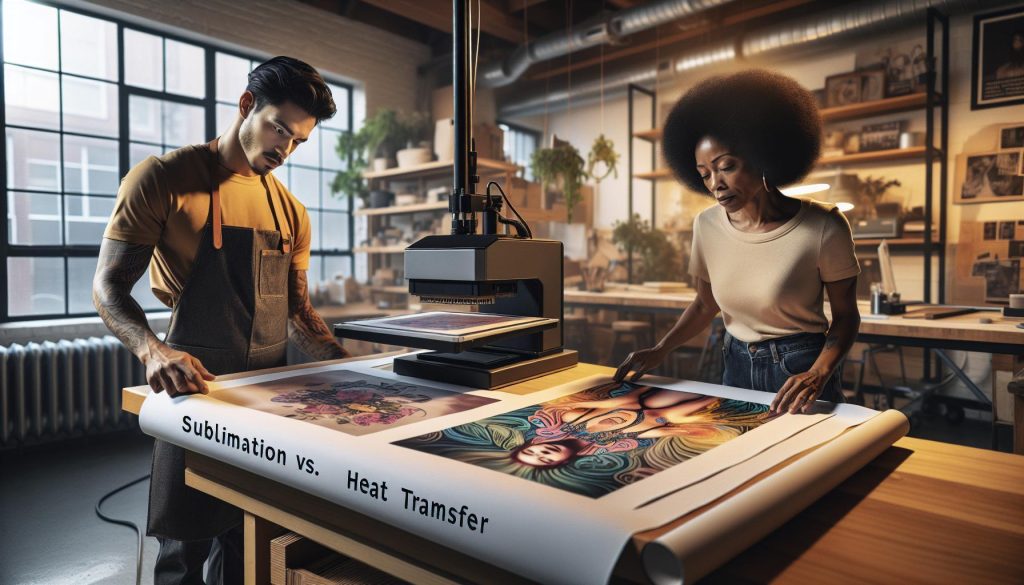
In the world of custom printing, understanding the difference between sublimation and heat transfer methods can significantly impact your creative projects. Sublimation printing involves a unique process where designs are infused directly into materials, resulting in vibrant, durable prints that won’t fade or crack. In contrast, heat transfer applies a design onto fabric through a heat press, making it more versatile but often less permanent. As consumers and creators alike seek ways to personalize their items-from apparel to home decor-grasping these techniques is essential. Whether you’re a hobbyist or a business owner, knowing which method suits your needs can enhance your results and ultimately save you time and resources. Dive into this exploration of sublimation versus heat transfer to unlock the secrets of superior printing.
What Is Sublimation? Understanding the Basics
Sublimation is a fascinating process that transforms a solid directly into a gas, bypassing the liquid phase entirely. This phase transition occurs when certain conditions of temperature and pressure are met, often resulting in the rapid conversion of materials. A common example of sublimation that many are familiar with is dry ice, or solid carbon dioxide, which sublimates at room temperature, producing a fog-like vapor. This underscores not just the scientific intrigue of sublimation but also its practical applications across various fields, including arts, manufacturing, and even food preservation.
In the world of crafting and printing, sublimation has garnered significant attention for its ability to create high-quality, vibrant prints on a variety of products. Unlike traditional printing methods that rely on ink sitting on a surface, sublimation involves heating specialized inks until they turn into gas. Once the gas comes into contact with a polyester substrate, it penetrates the material and then solidifies, resulting in a permanent, full-color image that won’t peel or fade over time. This technique is particularly popular for personalized items such as t-shirts, mugs, and phone cases. The process offers not only durability but also allows for intricate designs and a wide color spectrum.
Understanding the fundamentals of sublimation is crucial for those interested in crafting and industrial applications. The transition occurs under specific conditions, primarily related to temperature and pressure, which must be controlled accurately for the process to be effective. This distinctive feature of sublimation differentiates it significantly from other methods like heat transfer. While both involve the application of heat, sublimation relies on the gas phase to achieve its results, whereas heat transfer typically involves melting a solid material that is then applied to a surface. As such, choosing the right method for a particular application depends on the desired outcome, the materials involved, and the specific properties of each technique.
When exploring sublimation, enthusiasts and professionals alike should consider factors such as the types of substrates that can be used (primarily those with a polyester coating) and the environmental conditions required for optimal results. With a growing number of resources and tools available, the sublimation process can seem daunting, yet with practice and the right equipment, it can be a rewarding experience that yields exceptional products.
Heat Transfer: A Comprehensive Overview
Heat transfer techniques are fundamental in various industries, especially in printing and crafting. Unlike sublimation, which vaporizes ink into a gas that penetrates a substrate, heat transfer printing involves applying heat and pressure to transfer an image or design onto a material, usually a fabric or a rigid surface. This process typically utilizes transfer paper or vinyl, making it a versatile option for a range of applications.
In heat transfer, the design is usually printed in reverse on a special carrier sheet using ordinary inks, which are then heated to a specific temperature. The heat activates an adhesive layer that bonds the ink to the material. Depending on the type of heat transfer method used-whether it be inkjet transfer, laser transfer, or heat transfer vinyl-different techniques for applying heat and pressure can be employed. Commonly, a heat press machine or an iron is used to ensure that the right amount of heat and pressure is applied uniformly across the design.
One appealing feature of heat transfer methods is their accessibility, making them ideal for both hobbyists and small businesses. For individuals or businesses just starting, investing in a heat press can be more economical than sublimation printing systems, especially since heat transfer doesn’t require specialized inks and substrates. This method allows for personalization and customization, enabling users to create unique items like t-shirts, tote bags, and signage without requiring extensive setup or materials.
Types of Heat Transfer Techniques
Understanding the different varieties of heat transfer techniques can help you find the right approach for your projects. Here’s a quick overview:
- Inkjet Transfers: Suitable for small runs or personal use; images are printed on transfer paper and then heat pressed.
- Laser Transfers: Similar to inkjet but provide a more durable finish, making them ideal for industrial applications.
- Heat Transfer Vinyl (HTV): Involves cutting designs out of colored vinyl sheets and heat pressing them onto the material, which is great for single-color graphics.
- Sublimation Transfers: While technically a different process, sublimation transfers can be included if using a heat transfer method on polyester materials.
Each method has its pros and cons, often influenced by factors such as the desired finish, material compatibility, and production volume. For instance, heat transfer vinyl is excellent for bold, opaque designs, while inkjet transfers are more suited for complex images.
As you delve into these techniques, consider the type of material you are working with. Cotton, polyester, and blended fabrics behave differently under heat, affecting the final product’s quality. Selecting the right technique plays a crucial role in achieving a vibrant, durable design. Understanding these aspects of heat transfer can significantly enhance your crafting or business capabilities, putting you in a better position to meet your aesthetic and functional requirements.
Key Differences Between Sublimation and Heat Transfer
The differentiation between sublimation and heat transfer is crucial for anyone involved in printing, crafting, or customized product creation. Both methods are popular for transferring images onto materials, but they operate on fundamentally different principles and yield distinct results.
Sublimation printing is a chemical process where solid dye transitions directly into a gas without becoming liquid, bonding permanently with polyester or polymer-coated substrates. This process allows the ink to penetrate the substrate, resulting in a vibrant and durable design that won’t crack or peel. It is particularly well-suited for items like apparel, mugs, and signage that are made from materials specifically designed for sublimation. In contrast, traditional heat transfer involves using heat and pressure to transfer ink from a carrier sheet onto a substrate. This method typically requires a layer of adhesive to bond the ink to the material, resulting in a design that rests on the surface layer. It’s versatile and can be applied to a variety of fabrics and materials, making it accessible for small-scale businesses and hobbyists alike.
When comparing the two methods in terms of practicality, sublimation tends to be more flexible regarding design vibrancy and detail; however, it has a limitation in terms of material compatibility-it works best only with polyester fabrics or specially coated surfaces. Heat transfer methods, on the other hand, can effectively be used on cotton, blends, and other fabrics since they don’t require specialized materials, providing a broader range of application. Despite this advantage, designs made using heat transfer can often feel thicker or less integrated into the fabric, which may affect their longevity and wearability.
Key Considerations
When choosing between sublimation and heat transfer, consider the following factors:
- Material Compatibility: Sublimation works best on polyester or coated materials, while heat transfer can be used on a variety of fabrics including cotton.
- Design Durability: Sublimation offers superior durability as it becomes part of the fabric, while heat transfer may crack or peel over time.
- Vibrancy of Color: Sublimation provides brighter, more vibrant colors due to the dye’s ability to penetrate the material.
- Setup Cost: Initial costs for sublimation can be higher due to the need for specific printers and inks.
Ultimately, the choice between sublimation and heat transfer will depend on your specific project needs, desired aesthetics, and budget considerations. Understanding these key differences not only empowers you to make informed decisions but enhances your ability to successfully produce high-quality, customized products.
Applications of Sublimation in Various Industries
Sublimation has carved a unique niche in various industries due to its ability to produce high-quality, vibrant prints that integrate seamlessly with substrates. This technique is particularly important in the textile industry, where it is widely used for customizing apparel. Sports jerseys, for example, benefit greatly from sublimation printing because it allows for full-color designs that won’t fade, peel, or crack, ensuring longevity and vibrancy even after repeated washes. The fabric’s breathability and feel remain unaffected, making sublimation a preferred choice for sportswear manufacturers looking to create visually appealing and durable products.
In addition to textiles, sublimation finds extensive applications in promotional products. Items such as mugs, coasters, and phone cases are often created using this technique, allowing businesses to offer personalized products that stand out in a saturated market. The method’s ability to produce intricate designs that replicate photographs accurately is a game-changer for promotional merchandise. This level of detail, combined with the durability of the sublimated print, ensures that these products not only look good but also have a longer lifespan compared to those produced using traditional heat transfer methods.
Key Industries Utilizing Sublimation
- Textiles: Apparel, sportswear, and home décor.
- Promotional Products: Customized items such as drinkware, signage, and corporate giveaways.
- Personalized Gifts: Photo products, awards, and custom memorabilia.
- Interior Design: Sublimation is also applied in creating unique designs on wall hangings and decorative fabrics.
Many manufacturers also harness sublimation for creating innovative interior design elements. Custom printed fabrics can be used for unique curtains, cushions, and upholstery, where the ability to customize designs adds value. This trend allows decorators to craft spaces that reflect personal style or corporate branding effectively.
As industries continue to explore the possibilities of sublimation, the technology is consistently evolving, leading to new applications that leverage its strengths. Whether it’s producing limited-edition sports gear, creating one-of-a-kind gifts, or designing personalized home décor, sublimation is proving to be an essential tool for creativity and customization across many fields.
Practical Uses of Heat Transfer Techniques
Understanding the practical applications of heat transfer techniques is essential for anyone looking to create custom prints, particularly in the textile and promotional products industries. Unlike sublimation, which involves the transition of a substance directly from a solid to a gas, heat transfer methods generally involve the use of heat and pressure to transfer ink from a special transfer paper onto various substrates. This versatility allows for a wide range of products to be produced efficiently.
One of the most prominent uses of heat transfer techniques is in customizing apparel. Techniques such as heat transfer vinyl (HTV) or digital heat transfer are frequently employed to apply designs onto garments. These methods offer advantages in terms of cost-efficiency for small runs or individualized items. For example, a small clothing business can easily create personalized t-shirts or hoodies for specific customers without the need for large print runs, beyond the capabilities that sublimation may pose, due to substrate limitations. HTV and digital transfers can be applied to fabric types that do not work well with sublimation, like cotton or dark fabrics, making them a highly adaptable option.
Promotional Products and Beyond
Additionally, heat transfer techniques are widely employed in the creation of promotional products. Items like tote bags, mugs, and promotional giveaways utilize these methods for branding purposes. Businesses can use heat transfer to showcase their logos or marketing slogans, allowing them to create eye-catching promotional items that can attract customers effectively. Moreover, heat transfer can accommodate various materials, including metals and plastics, which broadens the range of items businesses can personalize.
Another area where heat transfer techniques shine is in home décor. Techniques such as sublimation-compatible heat transfers can be used on throw pillows, wall art, and other interior design elements, allowing homeowners to reflect their personal style with customized items. This aspect not only serves aesthetic purposes but also enhances emotional connections to spaces, transforming houses into personalized homes through tailored designs.
Ultimately, heat transfer techniques provide businesses and creators with the flexibility to produce diverse, personalized products that meet customer demands. Whether you’re crafting a unique gift for a friend or designing promotional merchandise, understanding these techniques and their applications can significantly enhance your creative capabilities while catering to a wider audience.
Sublimation vs. Heat Transfer: Pros and Cons
When choosing between sublimation and heat transfer printing, it’s essential to weigh the pros and cons of each method to determine which best suits your project needs. Both techniques have unique strengths and limitations that can significantly impact the quality, durability, and applicability of your printed designs. Understanding these differences can help you make an informed decision based on your specific requirements.
One of the primary advantages of sublimation is its ability to produce vibrant, full-color images with exceptional detail, as the dye permeates the fabric, allowing for lasting colors that won’t crack or fade over time. This method works best on polyester and other synthetic substrates, making it ideal for applications such as athletic wear, banners, and custom apparel. However, sublimation has its drawbacks; it typically requires a specific type of material and is less effective on cotton or dark fabrics. Additionally, the initial investment in high-quality sublimation printers and inks can be substantial, which may not be feasible for small businesses or hobbyists.
On the other hand, heat transfer methods offer a more versatile approach, allowing users to apply designs to a wider range of materials, including cotton, blends, and darker fabrics. Techniques like vinyl cutting or traditional heat transfer printing can be more accessible and cost-effective, especially for small runs or customized projects. The result can still be impressive, although the durability may not match that of sublimation-transfers can peel or crack over time, particularly with frequent washing.
In summary, your choice between sublimation and heat transfer should depend on your specific project needs. If you’re looking for durability and vibrant, complex designs and you are primarily working with suitable synthetic materials, sublimation is likely the better option. However, if you’re aiming for cost-effectiveness and versatility across various fabrics, heat transfer techniques may serve you better. Always consider the type of material and desired outcome before making your choice.
Choosing the Right Printing Technique for Your Project
Selecting the right printing technique for your project is more than just a matter of preference; it’s about aligning the process with your specific needs and goals. Recognizing the unique capabilities and limitations of both sublimation and heat transfer printing can provide a solid foundation for your decision-making process.
Sublimation printing thrives on synthetic materials, predominantly polyester. It produces vibrant, long-lasting images thanks to a process where dye is infused directly into the fabric, allowing colors to remain bright and true even after multiple washes. If your project involves custom apparel-particularly sportswear, promotional items, or interior decor like banners-sublimation offers an excellent option. However, it’s essential to note that sublimation is not suitable for cotton fabrics or dark colors, as the dye requires a compatible substrate to bond effectively. Thus, if you’re working with these materials, you might need to consider alternatives.
Conversely, heat transfer techniques present a versatile solution, allowing you to print designs on a wide array of materials, including cotton, blends, and dark fabrics. This is particularly advantageous for small businesses or hobbyists who may be working on varied projects that require flexibility. Techniques like vinyl cutting and heat transfer printing can be less expensive and simpler to set up than sublimation infrastructure, making them more accessible for personalized projects or small-scale production. However, it’s important to be aware that heat transfer images might not last as long as sublimated prints, as they can crack or peel over time, especially with frequent washing.
Ultimately, choosing between sublimation and heat transfer should involve an assessment of the final product you envision, the materials at your disposal, and the resources you are willing to invest. If durability and vibrant imagery on synthetic fabrics are your priority, sublimation is the way to go. On the other hand, for versatility across different fabric types and more budget-friendly options, heat transfer methods may better suit your needs. Consider creating a chart or checklist of materials, desired attributes, and budget constraints to aid in your decision-making process.
Materials Compatible with Sublimation and Heat Transfer
The choice of materials significantly influences the outcomes of both sublimation and heat transfer printing techniques. Understanding which fabrics work best with each method can help you achieve the desired results for your projects.
Sublimation printing is primarily compatible with synthetic materials, especially those with a high polyester content. This is because the sublimation process involves dye turning into gas and permeating the fibers of the fabric, which requires the substrate to be able to withstand high temperatures. The most common materials that work well with sublimation include:
- Polyester: This is the most ideal fabric for sublimation, producing vibrant and durable prints.
- Sublimation Coated Materials: Items like mugs, phone cases, and aluminum panels that are pre-coated for sublimation.
- Certain Blends: Fabrics that have a high polyester content (preferably over 65%) can also be used, such as polyester-cotton blends, though with slightly less vibrant results.
On the other hand, heat transfer techniques offer broader compatibility with various fabric types, making them a versatile choice. Heat transfer prints can be applied successfully to:
- Cotton: Ideal for T-shirts, hoodies, and other apparel.
- Polyester and Blends: Both polyester and cotton-polyester blends can accommodate heat transfer printing well.
- Vinyl Sheets: Commonly used in heat transfer applications for detailed designs and logos; compatible with various materials.
In summary, if you are focused on producing bold and lasting images on fabrics, sublimation is most effective on polyester and similar materials where the dye can integrate with the fibers. Conversely, if you need to work across materials including natural fabrics like cotton and also on dark fabrics, heat transfer techniques provide the necessary flexibility. To make an informed choice, consider the fabric composition and the specific requirements of your project to select the most suitable printing technique.
Troubleshooting Common Issues in Sublimation
Sublimation printing can be incredibly rewarding, but it also comes with its fair share of challenges. Common issues can arise during the process, impacting the outcome of your prints. Understanding these problems-and more importantly, the solutions-can save you time and frustration. Let’s delve into some common issues you might encounter and how to troubleshoot them effectively.
One prevalent issue is poor image quality, often manifesting as incomplete transfers or faded colors. This can be due to several factors, including inadequate heat or pressure. Ensure your heat press is set to the correct temperature-typically around 400°F (204°C)-and that you are applying enough pressure for the duration specified by your material type. If you are printing on a thicker substrate, it may require a longer transfer time. Additionally, make sure you’re using high-quality sublimation paper and inks, as subpar materials can significantly degrade the final print quality.
Another frequent hurdle is ghosting, which is when a printed design appears blurred or has a duplicate effect. This usually occurs when the substrate moves during the transfer process. To avoid ghosting, double-check your alignment before pressing. A heat-resistant tape can be an excellent aid here; it secures the transfer paper in place, helping to ensure that it doesn’t shift when the heat is applied. If you’re experiencing issues related to color mismatch, consider profiling your printer and testing various color settings to find the optimal configuration for your specific combination of ink and substrate.
Lastly, an issue that often frustrates beginners is incomplete sublimation, where parts of the design do not transfer at all. This might happen if there are areas of moisture on the fabric or if the fabric has a low polyester content. Always pre-press the fabric briefly to remove any moisture before positioning your design. Moreover, ensure that you use materials with a sufficient polyester blend (at least 65% polyester is recommended for successful sublimation) to allow the dye to permeate effectively.
By tackling these common problems with well-informed solutions, you can enhance the efficiency and effectiveness of your sublimation projects, ultimately achieving the vibrant and durable prints that sublimation is renowned for.
Maximizing Efficiency: Tips for Sublimation and Heat Transfer
To enhance the efficiency of your printing processes in both sublimation and heat transfer techniques, implementing specific strategies can make a significant difference in your outcome. One of the fundamental ways to maximize efficiency is by understanding your equipment and materials thoroughly. Using the correct temperature and pressure settings is essential. For instance, sublimation typically requires a heat press set to about 400°F (204°C), alongside appropriate pressure depending on the substrate’s thickness. Regular calibration of your equipment ensures consistency and helps avoid common issues like fading or incomplete images.
Another crucial factor is the readiness of your substrates. Before commencing your projects, always pre-press materials briefly to eliminate moisture, which can adversely affect the transfer quality. This step is especially pertinent for fabrics as moisture can lead to incomplete sublimation. Additionally, choosing materials that are specially designed for sublimation-such as high-polyester content fabrics or coated surfaces-further enhances image quality and durability. Aim for at least a 65% polyester blend for optimal results with sublimation printing.
Efficiency also comes from organization and preparation. Preparing your workspace by having all necessary tools and materials within reach reduces downtime between projects. Use color profiles specific to your printer and inks to ensure accurate color representation and avoid costly misprints. Integrating a method for tracking and documenting settings for different substrates can lead to quicker setup times for recurring projects.
Lastly, consider investing in automation technologies. Many newer models of heat presses come with programmable settings that can streamline the workflow by allowing you to save specific profiles for different materials. Embracing technology in the workspace can dramatically reduce the potential for human error, allowing you to focus on your creativity rather than troubleshooting technical issues. With these strategies, you’ll not only enhance your processes but also achieve vibrant, durable results in your sublimation and heat transfer projects.
Future Trends in Sublimation and Heat Transfer Technologies
The landscape of sublimation and heat transfer technologies is rapidly evolving, driven by advancements in materials, software, and printing techniques. As the demand for high-quality, customized products continues to grow, manufacturers and creators are actively exploring innovative solutions that improve both the efficiency and effectiveness of these processes.
One of the most exciting trends is the development of improved sublimation inks and transfer papers. These products are designed to yield brighter colors, sharper images, and greater durability. For instance, new formulations are available that enhance the ink’s bonding capabilities with substrates, enabling more vibrant color reproduction. Manufacturers are also increasing the range of materials suitable for sublimation, broadening possibilities beyond traditional options such as polyester fabrics. Innovations in coating techniques are making it feasible to use sublimation on various surfaces, including ceramics, metals, and even wood, which significantly expands creative opportunities.
Moreover, integration of digital technology into the sublimation and heat transfer processes is transforming the way creators work. Software advancements allow for better color calibration and image manipulation, making it easier for users to achieve the desired outcomes. Additionally, the rise of automation in production lines is increasing efficiency, reducing labor costs, and minimizing the potential for human error in printing. For instance, automated systems can streamline pre-press tasks, such as moisture removal or alignment, enhancing overall product quality.
Emerging Technologies
Looking ahead, several emerging technologies promise to reshape sublimation and heat transfer. For example, the use of 3D printing combined with heat transfer techniques is setting the stage for creating uniquely shaped items that traditional methods cannot achieve. These hybrid technologies could allow for complex designs that blend colors and textures in unprecedented ways.
Equally noteworthy is the push towards sustainable practices. The industry is witnessing a growing trend of eco-friendly inks and processes, catering to a more environmentally-conscious consumer base. This includes using water-based inks and recyclable transfer papers that not only reduce waste but also minimize harmful emissions during production.
In conclusion, the future of sublimation and heat transfer technologies is promising, with exciting innovations on the horizon. By staying abreast of these developments, manufacturers and crafters can leverage new tools and practices to enhance their work, making way for a broader range of applications and improved output quality.
Faq
Q: What is the main difference between sublimation and heat transfer printing?
A: The main difference is that sublimation printing involves converting solid dye into gas without passing through a liquid state, bonding with polyester substrates, while heat transfer printing uses heat to transfer printed designs from paper to various materials, suitable for cotton and other fabrics.
Q: Which method lasts longer, sublimation or heat transfer?
A: Sublimation prints are typically more durable as the dye becomes part of the material, making them resistant to fading and cracking. In contrast, heat transfer prints may wear out faster, as the design sits on the surface of the fabric.
Q: Can you use sublimation on any fabric?
A: No, sublimation works best on polyester or polymer-coated fabrics. It does not bond well with natural fibers like cotton, making it unsuitable for those materials, unlike heat transfer methods that can be used on a wider range of fabrics.
Q: What are the setup requirements for sublimation versus heat transfer?
A: Sublimation printing requires a specialized printer and sublimation ink, along with a heat press, to ensure proper dye transfer. In contrast, heat transfer printing can utilize a standard inkjet or laser printer and doesn’t necessarily require specialized inks.
Q: Is sublimation printing more cost-effective than heat transfer?
A: Although sublimation printing can involve higher initial costs due to specialized equipment and supplies, it may offer long-term savings in durability. Heat transfer printing has lower startup costs but may incur higher replacement costs over time due to its shorter lifespan.
Q: What types of products are best suited for sublimation?
A: Sublimation is ideal for products made from polyester, such as apparel, mugs, and phone cases. It excels in creating vibrant, full-color images that last, especially on materials designed for sublimation, unlike products commonly associated with heat transfer techniques.
Q: How do the colors compare between sublimation and heat transfer printing?
A: Colors produced via sublimation printing are typically brighter and more vibrant due to the dye’s penetration into the fabric. Heat transfer can produce a glossy finish, but colors may not match the vibrancy achieved with sublimation.
Q: Are there any safety concerns with sublimation and heat transfer?
A: Safety issues may arise from sublimation due to high temperatures involved in the process, so proper ventilation and protective equipment are advised. Heat transfer methods also require heat management to prevent burns but generally pose fewer hazards.
For more detailed insights on sublimation and heat transfer techniques, check out the sections on Key Differences Between Sublimation and Heat Transfer and Choosing the Right Printing Technique for Your Project in the article.
In Conclusion
Understanding the difference between sublimation and heat transfer is crucial for maximizing your creative projects and production efficiency. Sublimation offers vibrant, long-lasting results, perfect for polyester fabrics, while heat transfer provides versatility across various materials. As you explore these printing techniques, consider how each method can best serve your design needs today and in future projects.
Ready to dive deeper? Check out our guide on the best materials for sublimation printing or learn more about designing graphics that pop using heat transfer methods. Don’t miss out on optimizing your projects-subscribe to our newsletter for expert tips and exclusive resources directly in your inbox. Have questions or experiences to share? Join the conversation in the comments below, and let’s keep the creativity flowing! Navigating the world of printing doesn’t have to be overwhelming; we’re here to support you on every step of your journey.
Get our latest guides, news, and insights highlighted in your Google Search & AI Overviews.