Ironing on heat transfer vinyl (HTV) is a creative and practical skill that can transform ordinary fabrics into personalized, eye-catching designs. With the right techniques, you can achieve professional-looking results at home, whether you’re customizing t-shirts for a special event or creating unique gifts. However, many crafters face challenges with application, leading to frustration and wasted materials.
Understanding the nuances of HTV and mastering the ironing process can elevate your projects and save you time and money. In this guide, we’ll walk you through a foolproof method for successfully applying heat transfer vinyl, ensuring your designs adhere perfectly every time. Let’s uncover the secrets to making your creative visions a reality, and embrace the satisfaction of crafting with confidence!
Choosing the Right Heat Transfer Vinyl for Your Project
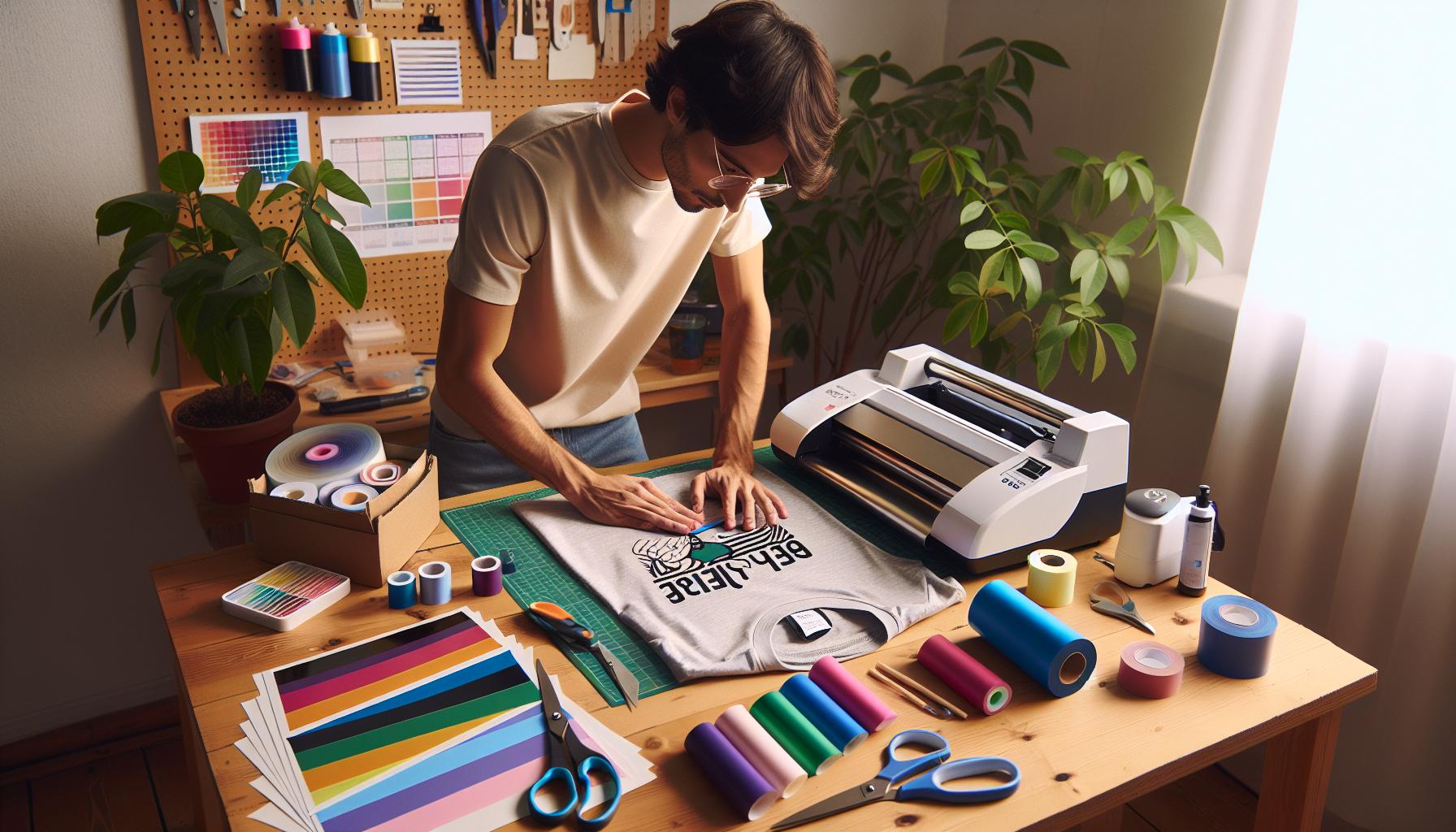
When diving into the world of heat transfer vinyl (HTV), choosing the right type for your project can set the foundation for success. With multiple varieties available on the market, understanding the differences and appropriate applications is essential. Whether you’re designing custom apparel, creating personalized gifts, or even crafting promotional materials, selecting the right HTV will enhance both durability and appearance.
Heat transfer vinyl comes in an array of options, including standard, stretch, glitter, flock, and even specialty finishes like metallic or holographic. Each type serves specific purposes, such as flexibility for form-fitting garments (like athletic wear) or the eye-catching sparkle of glitter for party attire. Standard HTV is versatile, suitable for most cotton fabrics, whereas stretch HTV is designed for materials that require a bit of give. If your project involves darker fabrics, opt for glow-in-the-dark or metallic HTV to make your designs pop.
Here are some key considerations to keep in mind when selecting HTV:
- Fabric Type: Always consider the material you are applying HTV to. Cotton and polyester hold HTV well, but blends may require a specific vinyl.
- Finish: Think about the look you want. Glitter HTV adds sparkle, while flock HTV provides a soft, textured feel.
- Durability: Assess the appearance of wear over time. Some HTVs withstand multiple washes better than others, so read reviews or test samples.
- Application Method: Make sure your vinyl can withstand the heat of your iron or heat press. Check the manufacturer’s recommendations for temperature settings.
Understanding these elements allows you to make an informed decision that aligns with your project goals, ensuring that your creativity shines through while the longevity of your custom heat transfer designs is maximized.
Essential Tools for Ironing on Heat Transfer Vinyl
To achieve flawless results when ironing on heat transfer vinyl (HTV), having the right tools at your disposal is crucial. The right equipment not only simplifies the process but also enhances the durability and quality of the finished product. Here are the essential tools you should consider for your HTV projects.
Ironing Equipment
While a standard household iron might suffice for small, flat surfaces, investing in a heat press can significantly improve your results. Heat presses apply even pressure and consistent temperature across the entire design, ensuring better adhesion. If you do opt for an iron, look for one with adjustable temperature settings and a flat, smooth surface.
Protective Accessories
Using protective sheets is essential to safeguard both your fabric and HTV. Teflon sheets or parchment paper placed between the iron and vinyl will prevent direct contact, eliminating the risk of scorching or damaging the vinyl. Additionally, having a pressing pillow can help when working with seams or uneven surfaces, providing a smooth base for even heat distribution.
Measurement Tools
Accurate placement is key to a professional finish. A ruler or measuring tape can help you center your design perfectly on the garment. A fabric marker or chalk can also be handy for making temporary marks, ensuring you position your HTV right where you want it.
Weeding Tools
Once you’ve cut your vinyl, you’ll need tools to weed out the excess material from your design. A weeding tool, often resembling a stylus, helps lift and remove small pieces of vinyl with precision, ensuring your design looks clean and sharp.
Other Useful Items
- Heat Resistant Gloves: These can protect your hands from burns during the pressing process.
- Silicone Mat: Placing your fabric on a silicone mat can help with grip and stability, preventing slipping while you apply heat.
By gathering these essential tools, you’ll set yourself up for success with your heat transfer vinyl projects. Each piece plays a key role in enhancing the efficiency and quality of your work, making the process smoother and more enjoyable.
Step-by-Step Guide to Preparing Your Fabric
Preparing your fabric properly before applying heat transfer vinyl (HTV) is crucial for ensuring a successful and professional-looking project. A well-prepared fabric not only provides a smooth surface for your design but also enhances the adhesion of the vinyl, ensuring durability over time. To get started, follow these straightforward steps that will enhance your results.
First, choose the right fabric. Not all materials are suitable for HTV, so selecting a compatible fabric is essential. Cotton, polyester, and cotton-poly blends work best. If you’re using a synthetic fabric like polyester, be mindful of the recommended temperature settings for your HTV to avoid melting, as synthetic fibers can be sensitive to high heat. Always test on a scrap piece if you are unsure.
Once you have your fabric, it must be prepped and cleaned. Begin by washing and drying the fabric to remove any sizing or chemicals that might interfere with adhesion. Avoid using fabric softeners, as they can leave a residue that prevents the vinyl from sticking properly. After washing, iron out any wrinkles to create a flat, smooth surface. Wrinkles can disrupt the heat transfer process, resulting in uneven adhesion.
Next, position your HTV correctly. Use a ruler or measuring tape to ensure your design is centered and straight. A heat-resistant tape can be handy for holding the vinyl in place while you pre-press. Speaking of pre-pressing, using your heat press or iron, apply heat without the HTV for about 5-10 seconds to eliminate any moisture from the fabric. This step helps improve the bond between the HTV and the fabric, ensuring a more professional finish.
Lastly, after pre-pressing, check for any residual lint or fibers on the fabric. Lint rollers or a quick lint wipe can effectively clear the surface, making it ready for the vinyl application. Following these preparation steps carefully will not only set you up for success with your HTV project but also enhance the longevity and appearance of your final product.
Mastering the Ironing Technique: Temperature and Pressure Tips
The success of applying heat transfer vinyl (HTV) hinges critically on mastering the ironing technique, especially concerning temperature and pressure. Understanding these elements not only ensures the vinyl adheres correctly but also prolongs the life of your design. Different types of HTV require different temperatures, so it’s crucial to consult the manufacturer’s instructions. Typically, the recommended temperature settings range from 305°F to 320°F (about 150°C to 160°C). Too high a temperature can damage the vinyl or the fabric, while too low may prevent proper adhesion.
When you’re ready to start applying the HTV, ensure your iron is set to the correct heat setting for the vinyl you are using. If the iron has a steam function, turn it off; steam can cause vapor that disrupts adhesion. Place a pressing cloth over the HTV to protect it from direct contact with the iron, which can also help avoid scorching. Apply firm, even pressure across the design. Instead of sliding the iron back and forth, lift it to reposition, as moving it while in contact can shift the vinyl out of alignment.
It’s often helpful to practice with a scrap piece of fabric before you work on your final project. This trial run will allow you to get a feel for the amount of pressure and heat required. A good rule of thumb is to apply pressure equivalent to a firm hand press-too much pressure can cause the edges of the vinyl to lift over time while too little may leave the design vulnerable. A common practice is to press for 10-15 seconds, checking the vinyl periodically to ensure it adheres properly, especially around the edges which might need additional attention.
- Temperature control: Always monitor and adjust your iron’s temp according to the HTV specifications.
- Consistent pressure: Ensure the entire design receives uniform pressure for optimal adhesion.
- Timing: Stick to the recommended time on the instructions to prevent overheating.
By focusing on these aspects during the application process, you can elevate your projects to a professional level, ensuring that your heat transfer vinyl not only looks great but also stands the test of time.
Avoiding Common Mistakes When Using Heat Transfer Vinyl
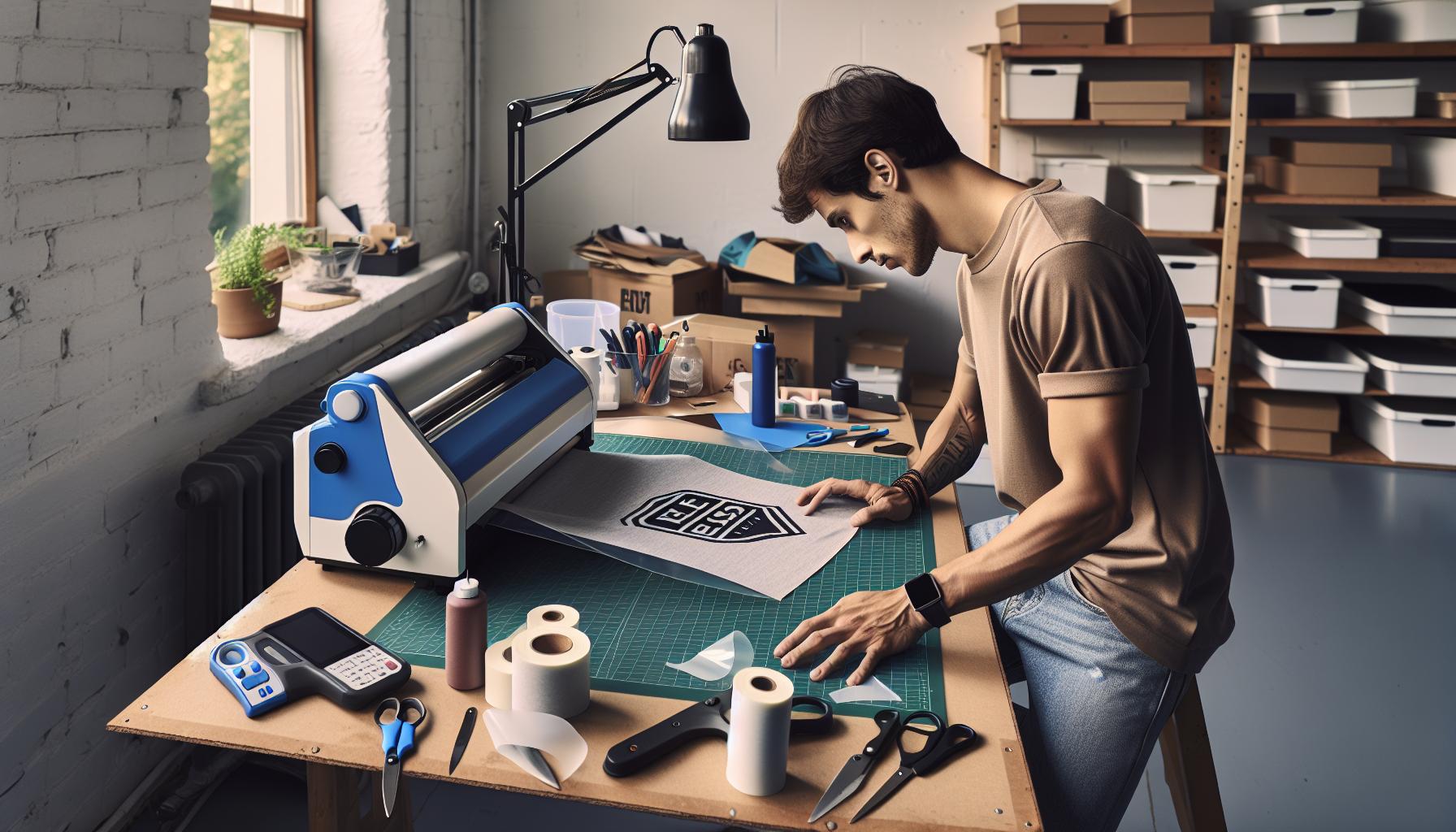
When working with heat transfer vinyl (HTV), avoiding common pitfalls can mean the difference between a stunning project and a frustrating failure. Understanding the nuances of HTV application not only secures your design’s longevity but also enhances the overall look of your finished product. One prevalent mistake is mismanaging temperature settings. Each type of vinyl has specific requirements; using an iron that’s too hot can scorch the fabric or burn the vinyl, while not hot enough might leave the design peeling off in no time. Always check the manufacturer’s guidelines to find the optimal temperature setting for your specific HTV.
Another frequent error arises from the application of pressure. It’s essential to apply even and firm pressure across the design to ensure complete adhesion. A common misconception is that more pressure equals better adhesion-this isn’t always true. Excessive pressure can cause the vinyl edges to lift or create unwanted creases. Instead, aim for consistent pressure, similar to a firm hand press, and avoid sliding the iron, which can misalign your design. Practicing on scrap fabric can help calibrate your pressure and temperature before tackling the final project.
Timing is equally crucial; pressing for the right duration is fundamental for a successful application. For many HTVs, a quick press followed by a longer, more thorough application is effective. If you rush through the process, you might find that the vinyl doesn’t adhere properly, leading to peeling or bubbling. Conversely, pressing for too long can damage both the vinyl and the fabric beneath. Keep a timer handy to stick closely to the recommended time frames, usually between 10-15 seconds, depending on the material involved.
Finally, remember to always keep your workspace clean and organized. Residue from previous projects or stray materials can easily stick to your HTV or fabric, ruining your aesthetic. Lay out your materials neatly, making sure your pressing surface is clear before starting. By being mindful of these common pitfalls-temperature, pressure, timing, and cleanliness-you’ll enhance your HTV application skills and create beautiful, durable designs that stand the test of time.
Creative Ideas for Using Heat Transfer Vinyl
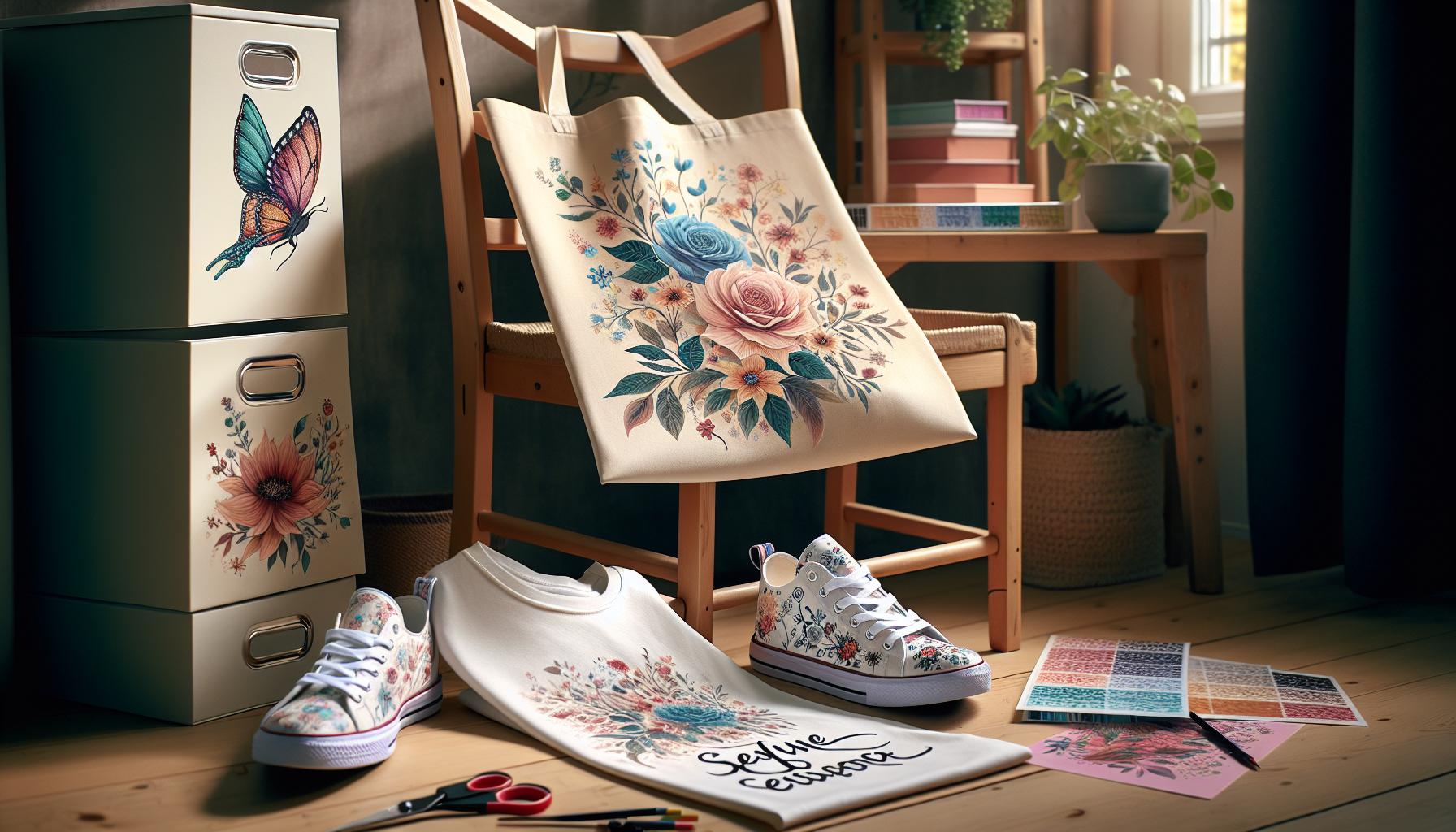
Unlocking the potential of heat transfer vinyl (HTV) allows you to transform everyday items into unique, personalized creations. With a bit of creativity, you can use HTV on various fabrics and surfaces, making it an incredibly versatile tool for crafters and hobbyists alike. Think beyond basic t-shirts; HTV can elevate home décor, accessories, and gifts, opening a world of possibilities to showcase your style and personality.
One popular application is decorating home textiles. Consider designing custom throw pillows with catchy frases or unique patterns using HTV. You can even personalize items for special occasions, such as creating specific theme decorations for holidays or parties. By applying heat transfer vinyl to table runners or curtains, you can add a personal touch to your living space that reflects your aesthetic.
Another inspiring idea is to customize bags and accessories. Whether it’s a tote bag for your next shopping trip or a gym sack to carry your workout essentials, adding your favorite quotes or images can make these items stand out. This not only gives each bag a unique flair but also serves as a great conversation starter. Creating matching family or friend accessories for events like reunions or bachelorette parties can also be a fun project, allowing everyone to feel united and stylish.
The beauty of HTV lies in its adaptability. Try combining different vinyl types for an eye-catching effect-layers of metallic, glitter, or matte finishes can create depth and intrigue. You might even experiment with stenciling designs onto other surfaces such as wood or felt, expanding your creative horizon. The key is to embrace experimentation: try various techniques, materials, and heat settings to see what resonates best with your personal style.
In sum, heat transfer vinyl is not just about applying designs to fabric but also about expressing creativity and individuality. By thinking outside the box and considering different applications, you can craft beautiful, custom projects that truly reflect your vision. The only limit is your imagination!
Caring for Your Heat Transfer Vinyl Projects

To ensure the longevity and vibrancy of your heat transfer vinyl (HTV) projects, proper care is essential. Treating your decorated items with respect not only maintains their appearance but also extends their lifespan, allowing you to enjoy your creations for years to come. One of the simplest yet most effective ways to care for HTV is through mindful washing and drying practices. Always turn your garments inside out before washing, which minimizes friction and wear on the vinyl. Use cold water and a gentle cycle to prevent any potential damage. Additionally, avoid bleach and fabric softeners, as these can negatively affect the adhesive properties of the HTV.
When it comes to drying your HTV items, it’s best to air dry whenever possible. High heat from dryers can cause the vinyl to shrink or peel. If you must use a dryer, opt for a low heat setting. Once your item is dry, if you need to iron it, always place a cloth between the iron and the vinyl to protect it from direct heat, and ensure your iron is set to a low temperature. This precaution helps retain the shine and integrity of the vinyl without risking damage.
While proper cleaning and drying methods are foundational for care, using the right storage techniques also plays a crucial role in maintaining your HTV projects. When storing garments, keep them in a dry, cool place away from direct sunlight, which can fade colors and weaken the adhesive. If your creation is something other than clothing, for instance, decorative items or bags, consider using protective coverings or boxes to shield them from dust and potential scratches.
In summary, taking these simple steps-gentle washing, low-heat drying, and thoughtful storage-can significantly enhance the durability of your heat transfer vinyl projects. By treating your custom creations with care, you’ll ensure they remain vibrant and intact, making each of your personalized items a lasting expression of your creativity.
Troubleshooting FAQ: Fixing Common Issues
When working with heat transfer vinyl (HTV), even the most meticulous crafter may encounter issues that can lead to frustration. Thankfully, many common problems have straightforward solutions. For instance, if you notice that the vinyl isn’t adhering properly after pressing, it often stems from insufficient heat or pressure applied during the application process. Ensure that you are using the correct temperature settings recommended for the specific type of vinyl you are using. A heat press typically offers more consistent pressure than an iron, which can be critical for achieving a good bond.
Another frequent issue is the vinyl peeling or lifting away from your fabric after washing. This can usually be traced back to improper application or cleaning practices. Always allow the vinyl to cool completely before peeling the transfer sheet. Additionally, washing garments inside out and using cold water will help protect the HTV. If you’ve accidentally applied the vinyl incorrectly, say, forget to mirror the design, don’t worry! In such cases, applying heat and pressure again can sometimes re-adhere the vinyl. However, if it just won’t stick, you’ll have to start fresh with a new piece.
If the vinyl appears dull or damaged after application, it might be worth considering the type of vinyl you’ve chosen. Some HTV materials are more suitable for certain fabrics than others. For example, if you are working with polyester or nylon, using a specific HTV designed for those materials can significantly improve adhesion and appearance. If you’re still struggling with tackiness or visibility after pressing, cleaning your iron or heat press plate-ensuring it is free from residue-can also help enhance the outcome.
Lastly, if you encounter sticky residue left on your shirt after pressing, create a protective barrier on the vinyl, like a Teflon sheet, when applying heat. This can prevent excess adhesive from transferring onto your fabric. Remember, if you are using different brands of HTV, verify the recommended heat settings, as this can vary significantly between products. By adopting these troubleshooting techniques, you can turn minor setbacks into learning opportunities, ensuring every project is a step towards mastering the art of heat transfer vinyl application.
Advanced Techniques for Professional Results
Mastering the art of heat transfer vinyl (HTV) application goes beyond the basics-it’s about refining your technique for professional results that stand out. One powerful approach is to employ double-layer designs using different types of HTV. This technique not only adds depth and texture but also allows for unique combinations of colors and finishes. For instance, layering a glitter HTV over a solid color can produce an eye-catching effect. Just remember to apply each layer separately, ensuring that the first is completely adhered before adding the second.
Temperature Adjustments for Various Materials
Attention to temperature can significantly enhance your HTV application process. Different fabrics require different heat settings. For example, working with polyester blends, such as a 95/5 poly-spandex, demands precise handling; applying HTV at a lower temperature (around 150°C or 302°F) for a longer duration can prevent melting and damage to the fabric. Conversely, when dealing with cotton or heavier materials, increase both temperature and pressure for better adherence. A temperature control tool can help you verify accuracy, avoiding guesswork that leads to subpar results.
The Power of Pressure
Alongside temperature, pressure is a critical factor. A good heat press machine will naturally provide consistent pressure, but if you’re using an iron, utilize a pressing cloth to distribute pressure evenly. Lift and lower the iron instead of sliding it to maintain consistent contact with the HTV and fabric. If you’re applying designs with intricate details or small pieces, consider using a cover sheet, such as parchment paper or Teflon, to protect the vinyl while still allowing heat to penetrate. This is particularly important for detailed designs, as uneven pressure can lead to incomplete adhesion of certain areas.
Post-Application Care Techniques
After successfully applying HTV, the way you care for the finished product can influence its longevity. Advise users to allow the garment to completely cool before removing any transfer sheets; this step is crucial for a strong bond. When washing, flipping the garment inside out and using cold water can help preserve the integrity of the vinyl. If the goal is an ultra-professional finish, consider using a commercial heat press with programmable settings for consistent results every time. Over time, experimenting with these advanced techniques will not only elevate the quality of your projects but also broaden your creative horizons in the world of heat transfer vinyl.
Exploring Alternative Application Methods
When it comes to applying heat transfer vinyl (HTV), traditional methods like using an iron or a heat press are well-known and widely practiced. However, can not only enhance your results but also expand your creative options. One notable technique is using a laminate or transfer adhesive, which can act as a bonding agent for HTV, providing a more versatile approach especially for intricate designs.
Utilizing a lamination film offers a clear protective layer over your heat transfer vinyl. This process involves placing the HTV on your fabric, then covering it with a sheet of lamination film before applying heat. Not only does this help in adhering the vinyl more effectively, but it also adds a glossy finish and shields the design from wear and tear over time. This method is particularly beneficial for items with heavy usage, like activewear or bags.
Another alternative method is the use of a sublimation transfer, particularly when working with polyester materials. Although sublimation isn’t technically HTV, it offers vibrant, long-lasting results as the dye becomes part of the fabric itself. When using sublimation prints, ensure your fabric is 100% polyester to achieve the best results. By incorporating both HTV and sublimation techniques into your projects, you can create unique, multi-dimensional designs that stand out.
Lastly, consider cold peel transfers for delicate or detailed designs. This technique involves applying HTV to the fabric, then allowing it to cool completely before peeling it off. Cold peeling can prevent lifting or damaging fine details in your design, making it an excellent choice for intricate artwork. Experimenting with these methods will give your projects an edge while ensuring your designs are both striking and durable.
Incorporating these alternative application techniques not only diversifies your HTV projects but can also lead to impressive professional-quality results that can elevate your crafting game significantly. Remember to test these methods on scrap fabric first to fine-tune your settings and ensure compatibility with your materials.
Understanding Vinyl Types: Which is Best for You?
Understanding the different types of heat transfer vinyl (HTV) is crucial for achieving the best results in your projects. Each vinyl type has unique properties suited to different applications, fabrics, and design intricacies. Knowing which HTV to use not only impacts the vibrancy and durability of your designs but can also affect the ease of application.
Types of Heat Transfer Vinyl
There are several categories of HTV, and each serves a specific purpose:
- Standard Vinyl: This is the most common type of HTV, perfect for general designs on cotton or cotton-blend fabrics. It’s user-friendly and widely available, making it a great choice for beginners.
- Stretch Vinyl: Designed for use on stretchy fabrics like spandex or Lycra, this vinyl is flexible, allowing your design to move with the fabric. It’s especially ideal for athletic wear.
- Glitter Vinyl: If you want to add some sparkle, glitter vinyl is the way to go. It offers a textured finish and is best suited for designs that won’t be subjected to heavy washing.
- Flock Vinyl: With a soft, velvety texture, flock vinyl is great for applications that require a more luxurious touch. It is thicker and can adhere well to fabrics like sweatshirts and heavier materials.
- Reflective Vinyl: This is an excellent choice for safety wear as it reflects light, increasing visibility. However, it requires more careful handling when cutting and applying.
Choosing the Right Vinyl for Your Project
To determine which HTV is best for your fabric, consider the following factors:
- Fabric Type: Always check the fabric composition. For example, using standard HTV on 100% polyester yields different results than using it on cotton.
- Intended Use: Think about how the item will be used. Items that will be heavily washed or stressed should use more durable vinyl, like stretch or flock.
- Design Complexity: If your design features intricate details, choose a vinyl that can handle fine lines without pulling apart.
By understanding these vinyl types and their applications, you can make informed decisions that enhance both the aesthetics and performance of your heat transfer projects. Always test on a scrap piece of fabric when you’re uncertain; this will save you time and materials in the long run.
Faq
Q: How long does heat transfer vinyl last when applied correctly?
A: Heat transfer vinyl (HTV) can last for many years, often between 5 to 10 years when applied correctly and cared for properly. Factors like washing temperature, drying methods, and intensity of wear will affect its durability. To maximize longevity, follow care instructions outlined in the Caring for Your Heat Transfer Vinyl Projects section.
Q: Can I use a household iron for heat transfer vinyl?
A: Yes, you can use a household iron for applying heat transfer vinyl, but make sure it has a smooth, flat plate and heats to the recommended temperature for your specific vinyl. A heat press is optimal for consistent results. For detailed ironing techniques, refer to the Mastering the Ironing Technique section.
Q: What fabric types are best for heat transfer vinyl?
A: The best fabrics for heat transfer vinyl include cotton, polyester, and blends of these materials. Avoid using HTV on fabrics like nylon or waterproof materials, which may not adhere well. For more information, see the Choosing the Right Heat Transfer Vinyl for Your Project section.
Q: What should I do if the vinyl is not sticking to the fabric?
A: If the vinyl is not sticking, ensure your iron is set to the correct temperature and apply adequate pressure during the process. Pre-heat the fabric to remove moisture as outlined in the Troubleshooting FAQ section. If issues persist, consider adjusting the application time.
Q: Can I layer heat transfer vinyl?
A: Yes, you can layer heat transfer vinyl, but be cautious about the thickness and compatibility of the materials. Always press each layer separately and check manufacturer instructions to avoid distortion. For advanced techniques on layering, see the Advanced Techniques for Professional Results section.
Q: Is there a difference between cold peel and hot peel vinyl?
A: Yes, cold peel vinyl requires cooling down before peeling away the carrier sheet, while hot peel vinyl can be peeled off immediately after pressing. Choose the type based on your project requirements and check the vinyl specifications. More details can be found in the Understanding Vinyl Types section.
Q: Can I wash garments with heat transfer vinyl?
A: Yes, you can wash garments with heat transfer vinyl, but use cold water and a gentle cycle to preserve the vinyl’s integrity. Turn the garment inside out to reduce wear. For detailed care tips, refer to the Caring for Your Heat Transfer Vinyl Projects section.
Q: What is the best way to remove heat transfer vinyl?
A: The best way to remove heat transfer vinyl is to carefully heat it with an iron or heat gun to soften the adhesive, then gently peel it off. Be cautious not to damage the fabric underneath. For more tips on troubleshooting, check the Troubleshooting FAQ section.
Insights and Conclusions
Now you’re equipped with the foolproof method to iron on heat transfer vinyl, ensuring a professional and durable finish every time. Remember, preparation is key-double-check your designs, temperatures, and fabrics to avoid common pitfalls. If you found this guide helpful, explore our related articles on selecting the right vinyl and troubleshooting common heat transfer issues.
Don’t wait to create your unique designs! Take action today and elevate your DIY projects. Have questions or experiences to share? We’d love to hear from you in the comments below! And for more tips, sign up for our newsletter to stay updated on the latest techniques and products in the world of heat transfer vinyl. Your next crafting success is just a click away!
Get our latest guides, news, and insights highlighted in your Google Search & AI Overviews.