Have you ever wondered how the vibrant designs on your favorite t-shirts come to life? Heat Transfer Vinyl (HTV) is a fascinating technology that allows designers and hobbyists alike to create stunning apparel effortlessly. By using a combination of heat and pressure, HTV adheres beautifully to fabrics, making it a popular choice for custom clothing and personalized gifts. Understanding the science behind HTV not only enhances your creative projects but also helps you troubleshoot common issues, like ensuring longevity and quality in your designs. As we dive deeper, we will explore the mechanisms of HTV, from the types of vinyl available to the best application methods, equipping you with valuable knowledge to elevate your crafting skills. Whether you’re a seasoned professional or just starting your journey, this exploration will spark your curiosity and inspire your next project.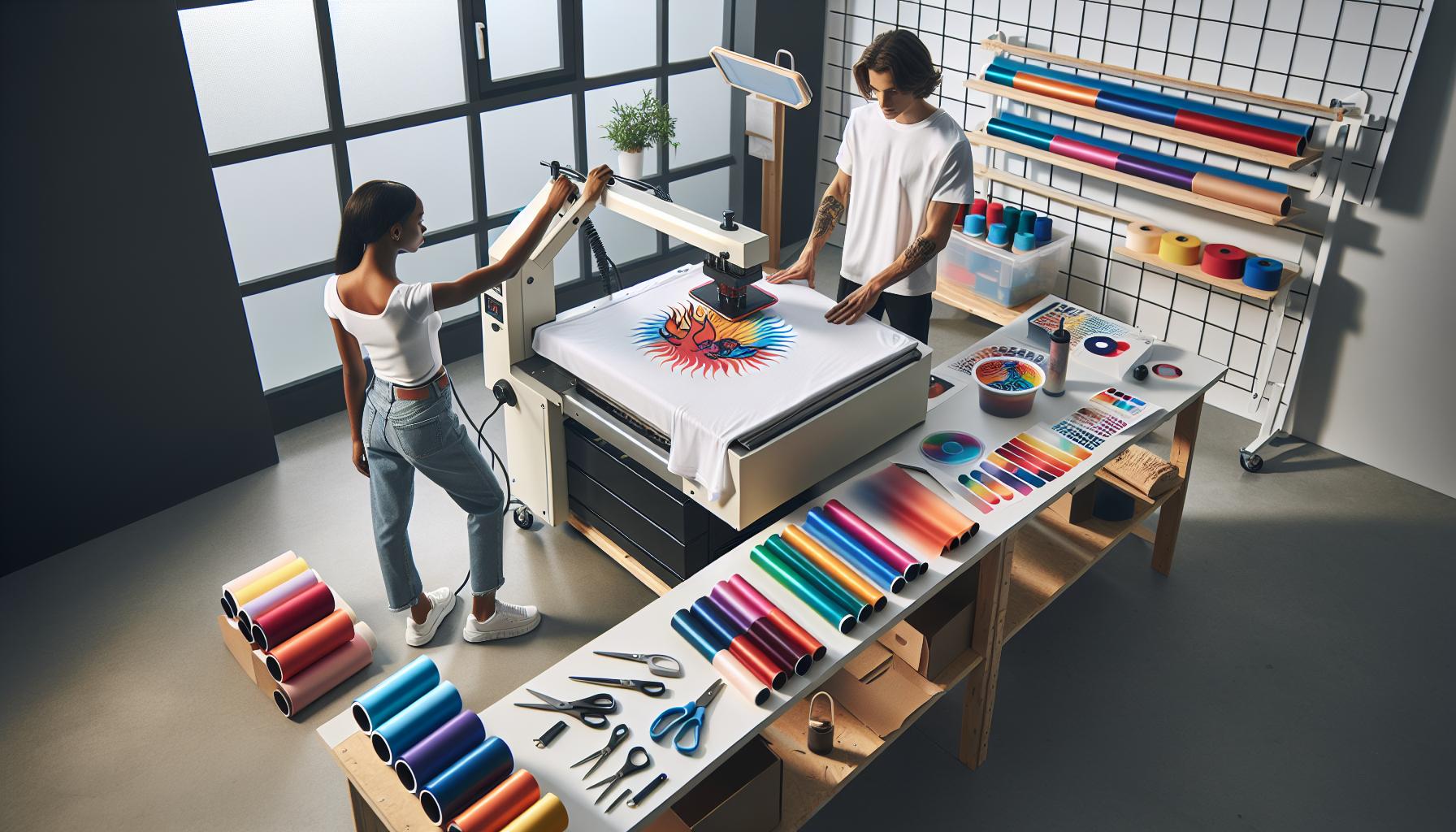
How Heat Transfer Vinyl Works: An Overview of the Process
Heat transfer vinyl (HTV) is a revolutionary method for customizing fabrics, enabling creators to produce eye-catching designs with relative ease. The process involves applying a layer of vinyl to a textile substrate using a heat press. The secret lies in the adhesive backing of the vinyl, which activates when heat and pressure are applied, causing it to bond permanently with the fabric fibers. This creates a durable design that can withstand the wear and tear of regular use.
To successfully use HTV, it’s critical to follow a few specific steps. First, the design is cut from the vinyl using a cutting machine. This machine must be calibrated carefully to ensure the blade cuts through the vinyl layer without damaging the adhesive underneath. Once the design is cut, excess vinyl is weeded out, leaving behind only the desired design. The next phase involves placing the vinyl on the fabric in the correct position and using a heat press to deliver uniform pressure and heat. Most HTV requires a temperature between 305°F to 330°F (about 150°C to 165°C) for optimal adhesion, and the pressing time typically ranges from 10 to 20 seconds depending on the vinyl type and fabric.
It’s also essential to select the right materials for your HTV project. Standard formulation HTVs work well with cotton and polyester blends, while specialty options, such as glitter or flocked HTV, can add texture and visual interest. Ultimately, understanding the characteristics of the HTV and the fabric is crucial to achieving professional-looking results. Factors like fabric type, vinyl thickness, and application technique all contribute to the final outcome.
By mastering the mechanics of HTV, along with best practices in preparation and application, crafters can enjoy a truly versatile medium for crafting. Whether creating t-shirts, bags, or other textile projects, this method opens the door for endless creative possibilities.
The Science of Heat Transfer: Principles Explained
The remarkable efficiency of heat transfer vinyl (HTV) lies in its precise chemistry and physics. At its core, the process relies on the principles of thermodynamics, where heat and pressure work in tandem to create a durable bond between vinyl and fabric. The adhesive backing of HTV is temperature-sensitive; when heated, it becomes tacky. This heat activates the adhesive, enabling it to penetrate the fibers of the fabric, thereby forming a strong, lasting connection. Understanding this fundamental interaction is crucial for anyone looking to achieve success with HTV.
When the heat press is applied, it generates a controlled amount of pressure while simultaneously heating the vinyl to the specific required temperature, typically ranging from 305°F to 330°F (about 150°C to 165°C). The combination of these conditions causes the adhesive to soften and properly adhere to the textile. This dual action is what differentiates HTV from other methods of fabric decoration, such as screen printing. Unlike screen printing, which applies ink on the surface, HTV bonds with the material itself, allowing for greater durability and flexibility in design.
Furthermore, the science of heat transfer doesn’t stop at simply applying heat and pressure. The quality of the HTV and the characteristics of the fabric also play critical roles. Each type of HTV-be it standard, glitter, or flocked-has its unique properties that dictate how it interacts with heat and fabric. For example, glitter HTV not only boasts aesthetic appeal but also requires slightly different handling in terms of heat settings and pressing time to avoid damaging the glitter effect. Therefore, familiarity with these nuances is vital for producing high-quality results.
To sum up, mastering the art and science of HTV involves not just the technical application of heat and pressure but also an understanding of the materials involved. This knowledge empowers crafters and designers to push the limits of creativity while ensuring that their finished products can withstand the rigors of everyday use. Engaging with these principles leads to innovative techniques and applications within the realm of fabric customization, enhancing both professional and personal projects alike.
Materials Used in Heat Transfer Vinyl
To create high-quality heat transfer vinyl (HTV) projects, understanding the materials used in HTV is essential. At the core of HTV is a special type of vinyl that is designed to adhere to fabric effectively when heat and pressure are applied. This vinyl can come in various forms, each with distinct properties and applications.
The most common materials include:
- Polyvinyl Chloride (PVC): This is the standard material used in traditional HTV. It is durable and versatile, making it suitable for a range of designs, from simple logos to complex graphics. PVC can be used on cotton, polyester, and blend fabrics.
- PU (Polyurethane): Often used in premium HTV options, PU is softer and more lightweight than PVC, offering excellent stretch and flexibility. It is ideal for projects where softness and a breathable finish are essential, such as on activewear or fitted fabrics.
- Flocked Vinyl: This HTV features a raised texture for a unique, soft feel. Typically made from PVC with a fiberglass backing, flocked vinyl is often used for apparel meant to have a luxurious finish.
- Glitter Vinyl: As the name suggests, this HTV is infused with glitter particles, giving it a sparkling effect. It’s important to note that glitter HTV may require different temperature and time settings during application to ensure the glitter adheres without damage.
- Reflective Vinyl: This vinyl is designed to reflect light, making it popular for safety apparel. It is typically thicker and requires precise application techniques to maintain its reflective quality.
It’s crucial to choose the right type of HTV based on the intended application. For instance, using glitter or flocked vinyl can elevate a simple design, while standard HTV is often more cost-effective for mass production projects. Each material’s adhesive properties also vary; understanding these differences can help avoid common pitfalls, such as adhesive residue or incomplete bonding.
In addition to vinyl types, the fabric you’re applying HTV to significantly influences the outcome. Natural fibers like cotton accept HTV well but may require a higher heat setting than synthetic fibers like polyester. Before starting your project, testing the HTV on a fabric sample is always a good practice to ensure optimal results.
Step-by-Step Guide to Applying Heat Transfer Vinyl
To achieve stunning results when applying heat transfer vinyl (HTV), it is crucial to follow a well-defined procedure that blends technique with precision. The transformation of a flat sheet of vinyl into a vibrant design on fabric involves several steps, each vital to ensuring that your artwork adheres correctly and lasts over time.
Begin by preparing your workspace and gathering all necessary materials. This includes your HTV, a heat press or iron, a carrier sheet, weeding tools, and the fabric you plan to apply the HTV to. Ensure that your fabric is clean, free of wrinkles, and ideally pre-pressed. This eliminates any moisture or creases that can affect adhesive bonding. It’s advisable to conduct a test application on a fabric scrap to verify temperature and timing settings, especially when using different materials like cotton or polyester.
Next, use a cutting machine to create your design from the HTV. Remember to mirror your design before cutting, as the vinyl needs to be placed adhesive side down when applied. After cutting, it’s time to weed out the excess vinyl around your design-this is where precision pays off. Carefully remove the unwanted sections, leaving only your design on the carrier sheet for application.
Application Steps
- Heat Your Press: Set your heat press or iron to the appropriate temperature. A standard setting is generally around 160-190°C (320-375°F), but this can vary depending on the type of HTV used. Always check the manufacturer’s recommendations.
- Position the Design: Lay your fabric flat on the pressing surface, and position the weeded vinyl design on top, ensuring it is centered. Use a ruler or measuring tape for accuracy.
- Cover and Press: Place a Teflon sheet or a thin cloth over the design to protect it from direct heat. Close the heat press or gently press down the iron, applying even pressure. For heat presses, follow the recommended time (usually around 10-15 seconds), while for irons, maintain pressure for the same duration without sliding.
- Peel the Carrier Sheet: After the time is up, let the design cool slightly, then SLOWLY peel away the carrier sheet. If the vinyl lifts with the carrier, reapply heat briefly to ensure it adheres correctly.
- Final Press: For extra security, cover the design with a Teflon sheet and give it one last press for a few seconds. This helps bond the vinyl permanently to the fabric.
By following these steps diligently, you meld art with technology, resulting in vibrant, long-lasting designs that withstand wear and tear. Understanding each part of the process not only helps in achieving great results but also demystifies the science that makes these applications possible. Embrace the technique, and your projects will surely stand out!
Common Mistakes When Using Heat Transfer Vinyl
Using heat transfer vinyl (HTV) can seem straightforward, but several common missteps can lead to frustrations or unsatisfactory results. Understanding and avoiding these pitfalls can enhance your crafting experience and ensure your designs adhere properly and last effectively on fabrics.
One frequent error is neglecting to perform a test press on a scrap piece of fabric. Variations in fabric composition-like blends of polyester and spandex-can significantly affect the adhesion of HTV. Conducting a test helps determine the optimal temperature and pressure settings, thereby preventing costly mistakes on your actual project. Remember, what works for cotton may not hold up on a synthetic blend, so always validate your settings first.
Another common mistake is improper weeding of the vinyl. Rushing through this step can lead to leftover bits of vinyl that can ruin the design’s clean lines. It’s crucial to take your time and ensure that only the intended design remains on the carrier sheet. If you’re not careful, pieces can stay adhered to the vinyl, resulting in an undesired final look. Invest in good weeding tools and practice your technique to master this aspect.
Pressing the design for either too long or too short is another frequent error. Each type of HTV has specific instructions regarding pressing time, temperature, and pressure. Ignoring these guidelines can lead to uneven adherence or, conversely, scorching the vinyl or the fabric underneath. Always refer to the manufacturer’s recommendations and adjust your technique accordingly, particularly with fabrics that have unique properties or textures.
Finally, don’t forget to consider the cooling phase before peeling the carrier sheet. This step is vital; peeling too soon can cause the vinyl to lift or distort. Instead, allow the design to cool sufficiently to enhance adhesion and ensure longevity.
By being aware of these common missteps, you can elevate your HTV projects from mediocre to exceptional, resulting in durable and eye-catching designs.
Tips for Achieving Professional Results with HTV
Achieving professional results with heat transfer vinyl (HTV) requires more than just the right materials; it demands a careful understanding of the process and attention to detail. The science behind HTV hinges on the right combination of temperature, pressure, and time, enabling a secure and lasting bond between the vinyl and fabric. A few well-practiced techniques can elevate your projects from amateur to impressive, ensuring that your designs not only look great but stand the test of time.
One of the first steps toward professionalism is ensuring your materials are up to par. Select high-quality HTV that suits your specific fabric type. Some HTV works better on cotton, while others excel on polyester or blends. Always refer to the manufacturer’s instructions for specifics on the best applications. Before heat pressing your final design, always conduct a test press on a scrap piece of the same material. This proves invaluable for dialing in the precise settings, helping to assess whether your temperature and pressure will provide the desired adhesion without damaging the fabric.
Weeding is another critical aspect of working with HTV. Take the time to carefully remove any excess vinyl from your design, ensuring clean lines and a professional appearance. Using high-quality weeding tools can significantly enhance this process, making it simpler to navigate intricate designs. When applying the vinyl, consider the placement carefully. Use alignment tools or templates to maintain consistency, especially when producing multiple items with the same design.
Proper heat application is a science in itself. For best results, adhere to the recommended pressing time and temperature settings. Invest in a reliable heat press machine if possible, as it offers even heat distribution, ensuring consistent results compared to an iron. Pay attention to the type of HTV you are using, as some require a hot peel after pressing, while others perform better with a cold peel. Allowing the vinyl to cool appropriately before peeling can significantly enhance the durability of your design.
Incorporating these methods into your workflow not only boosts the quality of your HTV projects but also bolsters your confidence as a maker. As you master these techniques, experimenting with different types of HTV and creative applications can lead to innovative and unique designs. Whether you’re crafting custom apparel, home decor, or promotional items, the results can make a lasting impression.
Innovative Techniques for Creative HTV Applications
Creating unique and engaging designs using heat transfer vinyl (HTV) goes beyond traditional applications; it involves innovative techniques that push the boundaries of creativity. One popular approach is layering multiple colors of HTV to create depth and dimension in your projects. By carefully stacking different colored layers, you can produce vibrant graphics that pop. This technique requires precision during the weeding and pressing phases, ensuring each layer adheres correctly without causing distortion or misalignment.
Another exciting method is using specialty HTV, such as holographic or glitter vinyl, to add an eye-catching finish to your designs. These materials can transform ordinary projects into standout pieces. For instance, applying glitter HTV to a simple cotton shirt can elevate its appearance and make it suitable for special occasions or promotional events. Just remember to adjust your pressing time and temperature according to the specific requirements of these specialty materials to ensure a flawless application.
Printing on Fabric
Experimenting with print-to-cut technology can also enhance your HTV application process. By first printing a design using eco-solvent or dye-sublimation inks, you can use HTV to cut out specific elements that add texture or contrast. This hybrid approach allows for detailed designs that would be difficult to achieve with vinyl alone. For example, printing intricate patterns and layering HTV for specific elements can create an entirely unique visual experience, suitable for both apparel and home decor.
Finally, take advantage of negative space to enhance your designs creatively. By creating a cut-out effect with HTV, you can reveal the underlying fabric color, giving your garment a modern twist. This technique works particularly well in minimalist designs or when combined with more intricate graphics. Placing HTV strategically can create stunning contrasts that draw attention and highlight your creativity, making even simple designs feel intentional and striking.
Incorporating these innovative techniques not only empowers you as a creator but also allows you to explore the expansive possibilities of HTV applications. Whether you’re crafting for fun or aiming to create marketable products, these methods can turn your ideas into professional-grade results that leave a lasting impression.
Exploring Different Types of Heat Transfer Vinyl
Understanding the different types of heat transfer vinyl (HTV) available can significantly enhance your crafting experience and the quality of your finished products. The diverse spectrum of HTV materials opens up a world of creative possibilities, each type catering to specific needs and effects. From basic standard vinyl to more specialized options, let’s delve into the characteristics that define each variant, enabling you to make informed choices for your projects.
One of the most common types is standard HTV, which is versatile and easy to work with. It’s ideal for a variety of fabrics, including cotton, polyester, and blends. Standard HTV is typically available in a wide range of colors and can be easily cut with a vinyl cutter. This type is perfect for beginners looking for reliable performance in everyday applications.
Moving beyond the basics, glitter HTV brings a shimmering finish that adds pizzazz to any design. It’s popular for apparel intended for parties, events, or promotional materials where eye-catching designs are a must. When using glitter HTV, it’s important to adjust your heat press settings, as this material often requires slightly higher temperatures due to its thicker texture.
For those seeking a more tactile and visually striking approach, flock HTV offers a soft, velvety texture that stands out. This type not only enhances the look of your creations but also provides a unique sensory experience. Flock HTV is particularly effective for designs that include text or graphics, making them feel more luxurious and appealing.
Another innovative option is holographic HTV, which creates a mesmerizing effect that can shift colors when viewed from different angles. This type is perfect for designs that need to be bold and dramatic, adding substantial visual interest. Proper application is crucial with holographic HTV, as it tends to be slightly thicker and may require specific settings regarding pressure and temperature to ensure proper adhesion.
To summarize, the variety of heat transfer vinyl available allows crafters to tailor their projects to specific aesthetics and applications. Here’s a quick overview of the main types of HTV:
| Type of HTV | Characteristics | Best Used For |
|---|---|---|
| Standard HTV | Versatile, easy to cut, available in many colors | Everyday projects, simple designs |
| Glitter HTV | Sparkly finish, slightly thicker | Party wear, promotional items requiring sparkle |
| Flock HTV | Soft, velvety texture | Text-heavy designs, high-end apparel |
| Holographic HTV | Color-shifting effect, eye-catching | Bold designs, events needing flashy graphics |
By mastering the different types of HTV and their applications, you can significantly expand your creative capabilities and the impact of your designs. Each type offers unique textures, finishes, and effects, enabling you to bring your visions to life in a way that engages your audience and sets your projects apart.
Heat Transfer Vinyl vs. Other Vinyl Materials
When delving into the world of vinyl crafting, it’s essential to understand how heat transfer vinyl (HTV) stands apart from other vinyl materials. While many might think that all vinyls serve the same purpose, the truth lies in their distinctions, especially when it comes to application methods and final finishes. This understanding not only enhances your crafting experience but also ensures your projects turn out as intended.
Heat transfer vinyl is specifically designed to adhere to fabrics through the application of heat and pressure. This transfer method allows for intricate designs and vibrant colors that fuse seamlessly onto textiles. In contrast, adhesive vinyl-often used for non-fabric surfaces like wood, glass, or plastic-calls for a different application process. The adhesive layer allows these vinyls to stick without heat, making them ideal for signs or decals. This fundamental difference in application leads to varied use cases: HTV is favored for apparel, while adhesive vinyl suits home décor or promotional items.
Furthermore, different finishes and material properties play a significant role in your choice of vinyl. HTV can be found in various forms such as standard, glitter, holographic, and flocked. Each of these offers unique aesthetics-glitter HTV adds sparkle, while holographic HTV shifts colors under light. On the other hand, adhesive vinyl typically comes in a single, smooth finish, possibly ranging in gloss or matte but lacking the dimensional textures that HTV can provide. This makes HTV particularly appealing for those looking to make a statement with their garment designs.
When it comes to durability and washability, HTV truly shines. Once applied correctly, it withstands numerous washes, maintaining its vibrant appearance without peeling or cracking, provided you follow proper care instructions. Alternatively, adhesive vinyl may not hold up as well on fabrics; while it can be used for decorating clothing, it is more prone to wear and damage, especially after washing. Understanding these nuances ensures that you select the right type of vinyl for your projects, aligning your creative goals with the material’s properties.
In summary, while both heat transfer vinyl and other vinyl materials have their respective uses, the choice ultimately hinges on the application method, desired outcome, and specific project requirements. By leveraging the strengths of HTV, you empower your creativity and elevate the quality of your crafted products.
Maintenance and Care for HTV Projects
Maintaining the quality and appearance of your heat transfer vinyl (HTV) projects is essential for ensuring they last through multiple washes and everyday wear. Proper care not only preserves the vibrant colors and designs but also reinforces the bond between the vinyl and the fabric. Here are some effective strategies to help you maintain your HTV creations.
To start, always wash your garments inside out. This simple step minimizes abrasion and helps prevent fading. When laundering, use cold water and select a gentle cycle, particularly for delicate fabrics. Avoid using bleach or fabric softeners, as they can degrade the adhesive quality of the HTV. As for drying, air drying is preferable; however, if you choose to use a dryer, opt for a low heat setting and turn the item inside out again.
Storage Tips for HTV Projects
How you store your HTV projects can also impact their longevity. Here are a few storage tips:
- Keep it Dry: Store HTV apparel in a cool, dry place to prevent moisture buildup that could looser bonds.
- Avoid Sunlight: Direct exposure to sunlight can fade colors, so keeping your items away from bright light will help them retain their original look.
- Use Hangers or Shelves: If possible, hang your items to avoid creasing, or lay them flat on shelves to keep them safe from crushing.
Troubleshooting Common HTV Issues
Even with the best intentions, problems may occasionally arise. Here are some common issues and how to address them:
- Peeling Edges: If you notice the edges of your HTV starting to peel, it may be due to improper application. Try re-heating the area with a heat press or iron, ensuring you’re using the correct temperature and pressure.
- Fading Graphics: If your design starts to lose its brightness, this is often a result of high heat during washing or drying. Moving forward, ensure to follow the washing guidelines strictly to maintain color vibrancy.
- Cracking Vinyl: If you experience cracking, it’s crucial to verify that your HTV is compatible with the fabric and check the heat settings used during application.
By following these maintenance practices and storage guidelines, you can extend the life of your HTV projects while keeping them looking crisp and new. Your hard work deserves to shine through the test of time, so treat your creations with care and attention.
Troubleshooting Common HTV Problems
Even the most skilled crafters can encounter challenges when working with heat transfer vinyl (HTV). Common setbacks, like peeling, fading, or cracking graphics, can frustrate your creativity. However, understanding the root causes of these issues can equip you with practical solutions to keep your projects looking fresh and professional.
One frequent problem is peeling edges. This typically occurs when the HTV isn’t adhered properly or if it has been exposed to harsh washing conditions. To remedy this, apply heat again using a heat press or iron at the recommended temperature for your specific HTV type. Ensure you are using sufficient pressure during this step, as it’s crucial for re-bonding the vinyl to the fabric. If the issue persists, double-check your application technique and adjust your heat settings as necessary.
Another common issue is fading graphics. If your vibrant design has started to lose its color, this has often resulted from washing in hot water or drying at high temperatures. To maintain the brightness of your graphics, always adhere to proper washing instructions-use cold water and a gentle cycle. Additionally, air drying is the best option to prolong the lifespan of your design. When using a dryer, turn the garment inside out and opt for a low heat setting.
Lastly, cracking vinyl can be especially disheartening, indicating an incompatibility between the HTV and the fabric or incorrect application settings. When you notice cracks, take a moment to assess the fabric type and ensure that it aligns with your chosen HTV. Furthermore, review the application process: too much heat can damage the vinyl, so always stick to the recommended settings for application time and temperature.
By staying vigilant about these common problems and their solutions, you can significantly enhance the durability and appearance of your HTV creations, letting your designs shine through every wear.
Future Trends in Heat Transfer Vinyl Technology
In recent years, heat transfer vinyl (HTV) technology has seen significant advancements that promise to transform the crafting and apparel customization landscape. As we look to the future, several trends stand out, driven by innovation, sustainability, and increasing consumer demand for personalization.
One primary trend is the development of eco-friendly HTV materials. With growing environmental awareness, manufacturers are focusing on bio-based, recyclable, and non-toxic materials. This shift not only addresses the ecological concerns but also appeals to consumers looking for sustainable options. These new vinyl formulations often provide the same durability and vibrant colors as traditional HTV but with significantly less environmental impact. Innovations in this area may include the use of water-based adhesives and organic materials that enhance the overall sustainability of garment decoration.
Another exciting trend is the integration of smart technology into HTV applications. This includes the potential for using app-controlled heat presses and smart vinyl that can change colors or patterns based on temperature, light, or even user commands. Imagine a shirt that can display various designs depending on your mood or the weather! Such innovations would provide users with unparalleled flexibility and personalization options in their clothing, making fashion more interactive and tailored to personal expression.
Improved Adhesion Techniques
Future advancements will likely focus on improving adhesion techniques and enhancing the performance of HTV, especially on technical fabrics like moisture-wicking or stretch materials. Research is underway to develop HTV that adheres better under varied conditions and can withstand multiple washes without losing its integrity. These enhancements will allow for broader applications across sportswear and functional apparel, expanding the market for HTV beyond traditional T-shirts and crafts.
Overall, as heat transfer vinyl technology continues to evolve, we can expect to see not only enhanced performance and sustainable practices but also a broader range of creative designs and applications. These developments empower makers, designers, and brands to create innovative and personalized products that resonate with modern consumers while addressing environmental concerns.
Q&A
Q: What types of fabrics work best with heat transfer vinyl?
A: Heat transfer vinyl (HTV) adheres best to cotton, polyester, and cotton-poly blends. Fabrics like spandex or nylon require special HTV types. Always check compatibility to ensure a strong bond and avoid peeling.
Q: How do I choose the right heat transfer vinyl for my project?
A: Choosing the right HTV depends on your fabric type and desired finish. Options include glossy, matte, and specialty HTVs like glitter. Consider the look you want and the intended use to make the best selection for your project.
Q: Can heat transfer vinyl be used on items other than clothing?
A: Yes, HTV can be applied to various items, such as home decor, bags, and hats. Ensure the surface is heat-resistant and compatible with the HTV for effective adhesion.
Q: What tools do I need for applying heat transfer vinyl?
A: Essential tools include a heat press or iron, a cutting machine, and weeding tools. Additionally, you may need protective sheets to safeguard your fabric from direct heat.
Q: How long should I press heat transfer vinyl for proper adhesion?
A: Pressing times vary by HTV type but generally range from 10 to 30 seconds. Always refer to the manufacturer’s guidelines for specific temperature and pressure settings for best results.
Q: Why is temperature control important when using heat transfer vinyl?
A: Proper temperature ensures the HTV adheres effectively without damaging the fabric. Too low may lead to poor bonding, while too high can scorch the material. Always use a reliable heat source for optimal results.
Q: Can I layer heat transfer vinyl?
A: Yes, layering HTV is possible, but requires careful technique. Always use heat-resistant HTVs and ensure the bottom layer is completely adhered before adding additional layers. Follow manufacturer instructions to avoid issues.
Q: How should I care for items made with heat transfer vinyl?
A: To maintain HTV items, wash them inside out in cold water and avoid fabric softeners. Air drying is recommended to preserve the vinyl’s integrity. Following these tips will help extend the life of your designs.
To Conclude
Now that you’ve uncovered the science behind heat transfer vinyl (HTV), you can start experimenting with this versatile method for creating custom designs. HTV allows for intricate designs without the need for embroidery equipment, making it accessible for both beginners and seasoned creators. If you’re eager to level up your skills, consider diving deeper into our guides on tackle twill applications or troubleshooting common vinyl issues.
Don’t miss out on exclusive tips and updates-subscribe to our newsletter or explore our product pages for the latest HTV materials tailored to all your projects. Remember, mastering HTV is just the beginning; there’s a whole world of vinyl techniques waiting for you. Share your progress and questions in the comments below; we love hearing from our community. Your next creation could be just a click away-let’s keep the inspiration flowing!
Get our latest guides, news, and insights highlighted in your Google Search & AI Overviews.