As the world of fabric printing evolves, many crafters and businesses are turning to heat transfer techniques for their projects. But what about polyester? This widely used fabric is durable and vibrant but often raises concerns regarding its compatibility with heat transfer methods. Understanding how to effectively apply heat transfer to polyester is essential for achieving professional-quality results, whether you’re personalizing clothing, creating promotional items, or embarking on DIY projects. In this article, we’ll explore the nuances of heat transfer on polyester, addressing common challenges, best practices, and techniques to ensure success. Whether you’re a novice looking to craft your first custom t-shirt or a seasoned professional aiming to expand your skill set, this guide will provide valuable insights to help you navigate the fascinating world of heat transfer on polyester. Get ready to unlock the potential of your projects!
Understanding Heat Transfer: Basics and Techniques
Heat transfer is an innovative method that utilizes heat and pressure to bond designs onto various surfaces, making it an exciting avenue for customization in the textile world. Understanding the fundamentals of heat transfer-what it entails, its various techniques, and the materials compatible with the process-can significantly enhance your ability to achieve high-quality, durable designs, especially on polyester fabrics. Polyester, with its wide use and versatility, demands careful consideration regarding heat transfer applications, owing to its unique properties.
Heat transfer typically involves two primary techniques: heat transfer vinyl (HTV) and sublimation printing. HTV requires cutting a design from a specialized vinyl, which is then applied to the fabric using a heat press. This method works well on polyester, provided the vinyl is compatible with synthetic fabrics. On the other hand, sublimation is ideal for polyester since it transforms solid dye into gas without passing through a liquid state, allowing for vibrant, full-color designs that are absorbed into the fabric fibers. This results in a seamless finish that maintains the fabric’s softness and breathability.
Considerations should also be made regarding the temperature and pressure applied during the transfer process. Using excessive heat can lead to damage or undesirable outcomes, such as discoloration or melting of the polyester fibers. Therefore, always refer to specific product guidelines for heat settings. A temperature range of 350-400°F (175-204°C) is generally effective for most polyester applications. Additionally, conducting a test transfer on a scrap piece of fabric can help fine-tune your approach, ensuring you achieve the desired results without compromising the integrity of the material.
Polyester Fabric Properties: What to Know
Polyester has emerged as one of the most popular fabrics in the textile industry, largely due to its unique properties that lend themselves well to various applications, including heat transfer. A key advantage of polyester is its durability; it resists wrinkles and shrinking, making it an excellent choice for clothing and home textiles. Furthermore, polyester is known for its color retention capabilities, meaning that designs applied through heat transfer techniques remain vibrant over time, even after repeated washings.
One characteristic of polyester that makes it particularly suited for heat transfer applications is its low moisture absorption rate. While this property helps the fabric dry quickly, it can also present challenges when adhering designs. For instance, sublimation printing achieves its stunning results by utilizing heat to turn dye into gas, which then permeates the fabric fibers. Since polyester retains high levels of dye affinity, this method produces long-lasting, bright images that won’t fade or peel.
However, the application of heat onto polyester fabrics must be approached with care. The fabric’s melting point is crucial to consider-too high a temperature can cause damage or deformation. A temperature range typically between 350°F to 400°F (175°C to 204°C) is recommended for most heat transfer applications. Always take into account the specific type of polyester and any coatings it may have, as varied formulations might react differently under heat. Testing with a sample piece before committing to a design can ensure optimal results and protect the integrity of the fabric.
In summary, understanding the intrinsic properties of polyester-such as its durability, dye compatibility, and moisture management-will enhance the effectiveness of heat transfer processes. As you explore heat transfer techniques, leveraging these attributes will help you create beautiful, long-lasting designs on polyester fabrics.
Can Heat Transfer Vinyl Be Used on Polyester?
Heat transfer vinyl (HTV) has revolutionized the way designs are applied to fabrics, and many wonder if it can effectively be used on polyester. The good news is that HTV is not only compatible with polyester fabrics, but it also offers a myriad of benefits that make it an excellent choice for customizing various polyester items.
One significant advantage of using heat transfer vinyl on polyester is its ability to adhere well without compromising the integrity of the fabric. Proper application techniques, such as using the right temperature and pressure settings, help ensure a strong bond. For polyester, it’s recommended to use a temperature range from 300°F to 320°F (149°C to 160°C), typically for about 10-15 seconds. It’s critical to monitor the heat settings as polyester’s low melting point can cause damage if the temperature is too high.
When selecting HTV for polyester, opt for premium or specialized formulations designed explicitly for this type of fabric. These are often made with lower-temperature adhesives that work effectively while minimizing the risk of scorching or melting the polyester fibers. Additionally, consider the finish of the vinyl; matte, glossy, or metallic HTVs can create different looks and textures, enhancing the overall design aesthetic.
Considerations for Success
To achieve the best results when using HTV on polyester, it’s prudent to prepare the fabric adequately. Pre-pressing the fabric for a few seconds removes moisture and wrinkles, allowing the vinyl to adhere more effectively. Using a pressing pillow can also help when working with seams or raised textures to ensure even contact with the heat source.
In conclusion, employing heat transfer vinyl on polyester can yield stunning, durable results when done correctly. With the right materials and techniques, you can create vibrant designs that stand the test of time. Just remember to keep fabric properties and vinyl specifications in mind to maximize the success of your heat transfer projects.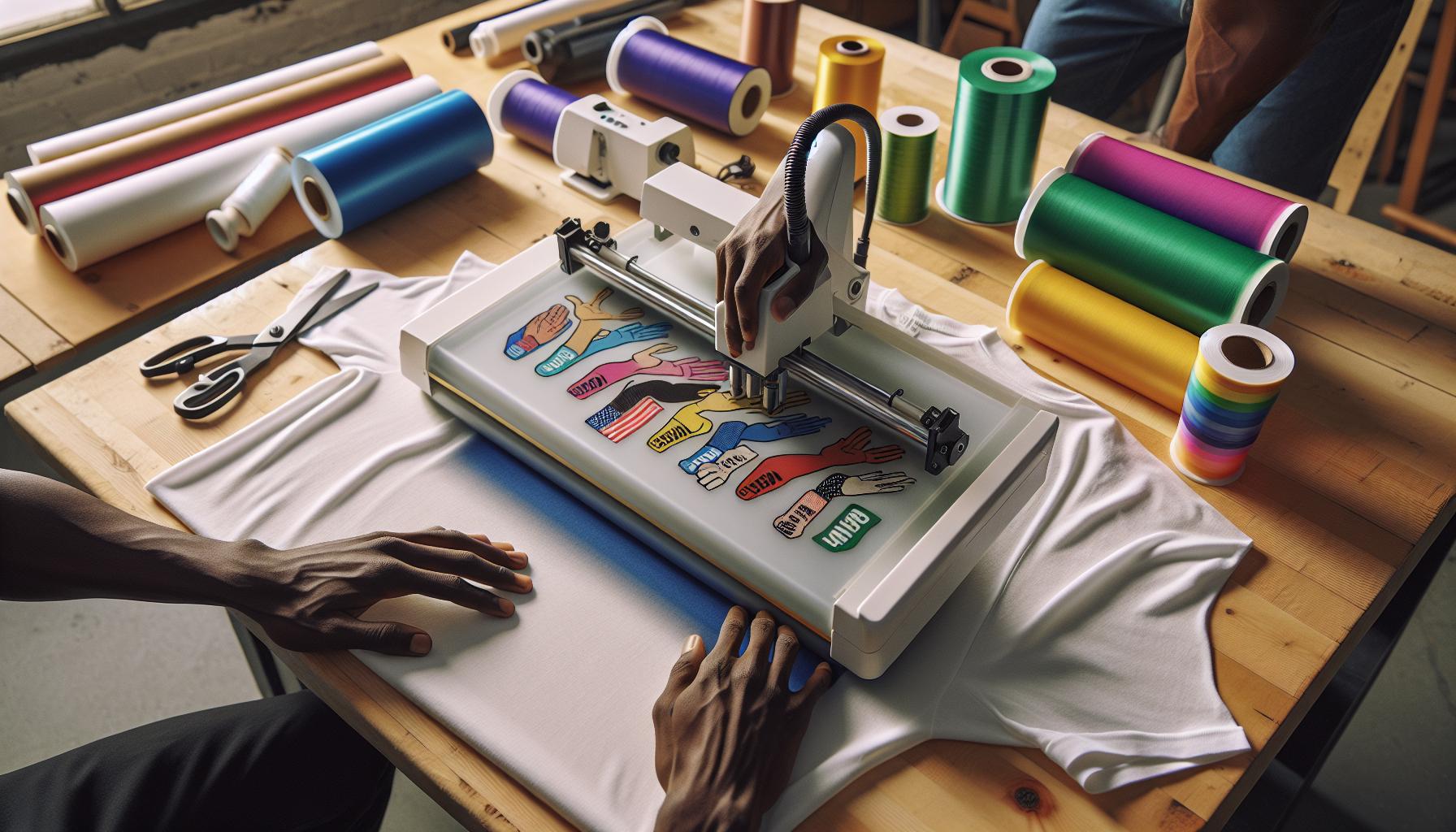
Exploring Sublimation on Polyester Fabrics
To truly appreciate the potential of sublimation on polyester fabrics, consider that sublimation is not just a method of transferring images; it’s a robust interaction between dye and fabric that creates vibrant, long-lasting designs. When you use sublimation on polyester, the dye transforms into gas under heat and pressure, penetrating the fibers and creating a bond that is part of the fabric itself. This results in prints that are resistant to fading, cracking, and peeling, making sublimation particularly well-suited for dynamic products such as sportswear and promotional items.
Sublimation works best on polyester fabric due to its synthetic nature, which allows for the optimal absorption of the dye. It’s essential to use polyester fabrics with a high sublimation dye affinity, typically those with at least 65% or more polyester fiber content. This ensures that the image quality is vibrant and clear. Additionally, lighter-colored or white polyester is ideal for sublimation printing since colored fabrics can alter the hues or diminish the print’s overall effectiveness.
Key Considerations for Successful Sublimation
When preparing for sublimation printing on polyester, it’s crucial to follow a series of best practices:
- Pre-Press the Fabric: Remove any moisture and wrinkles by pre-pressing the polyester for 5-10 seconds. This ensures better adhesion of the dye.
- Use Appropriate Temperature and Time: The typical sublimation process involves a heat press set between 380°F to 420°F (193°C to 216°C) for 30-60 seconds. Adjust based on the fabric’s thickness and your specific press settings.
- Ensure Even Pressure: Use a smooth, flat surface with even pressure to prevent areas of the image from being underdeveloped.
While sublimation offers numerous advantages, such as no feel of the transfer and the ability to incorporate intricate designs, also be mindful of the fabric’s stretch or structure. Stretchy substrates may affect design quality, so testing is recommended. Overall, sublimation is a powerful technique for using polyester fabrics and, when executed correctly, produces high-quality, durable, and beautiful results that can elevate any textile project.
Best Heat Transfer Methods for Polyester
When it comes to applying heat transfers on polyester fabrics, selecting the right method can make a significant difference in the quality and durability of the results. One of the most effective techniques is sublimation, particularly suited for high polyester blends. Sublimation not only embeds the dye into the fibers but also ensures that the design becomes a permanent part of the fabric. This method is ideal for apparel like sports jerseys and promotional items, where vibrant colors and longevity are paramount.
Another popular option is heat transfer vinyl (HTV). While traditionally used on cotton and other natural fibers, HTV can also work on polyester, though some considerations are necessary. It’s essential to choose HTV specifically designed for the type of polyester you are using, as some products may not adhere as well under heat. Using a heat press at the correct temperature-typically around 305°F (150°C)-and ensuring proper pressure will enhance adhesion.
For more intricate designs, digital printing methods such as direct-to-garment (DTG) printing can be utilized on polyester, allowing for complex graphics without the limitations of traditional transfers. However, like sublimation, this requires the polyester fabric to be pre-treated to maximize ink absorption and durability.
Regardless of the method you choose, here are some best practices to achieve optimal results:
- Test First: Always perform a test print on a small piece of fabric to check for compatibility and adhesion.
- Pre-Treatment: For certain methods, applying a pre-treatment solution can improve the bonding of the ink or transfer to polyester.
- Follow Manufacturer Instructions: Each heat transfer method has specific temperature, time, and pressure settings. Adhere closely to these guidelines for best outcomes.
By carefully selecting the appropriate heat transfer technique for polyester, you can produce vibrant, durable designs that will stand the test of time, making your projects both visually striking and long-lasting.
Common Challenges in Heat Transfer on Polyester
Applying heat transfer methods to polyester fabrics can present distinct challenges that require careful attention to detail. One major issue arises from polyester’s synthetic nature, which can react to heat in unpredictable ways. For instance, polyester fibers tend to have a lower melting point compared to natural fibers, making it crucial to adjust heat settings precisely. If the temperature is too high, it can result in scorching or melting the fabric, whereas too low a temperature may lead to insufficient adhesion of the transfer material.
Additionally, the chemical composition of polyester can interfere with certain methods. Heat transfer vinyl (HTV), when used on polyester, may not adhere correctly if the wrong type is chosen. Some HTV products are formulated specifically for cotton blends rather than synthetic fibers, which may compromise design longevity. Therefore, selecting HTV explicitly designed for polyester is vital to avoid peeling or cracking over time.
Other challenges include achieving vibrant color and detail. Sublimation, while excellent for high polyester content, necessitates that the fabric is at least 50% polyester to achieve the best results. If the fabric has a lower polyester content, the colors may appear dull or washed out. Moreover, pre-treating the polyester can enhance dye absorption, but if this step is overlooked, it can lead to fading.
To navigate these challenges, start by conducting test prints on scrap pieces of the same polyester fabric. This allows you to fine-tune temperature, time, and pressure settings before applying the design to the final product. Consistent monitoring during the heat transfer process also helps in adjusting these variables in real time, ensuring a successful transfer. By acknowledging these potential pitfalls and taking proactive measures, you can enhance the quality and durability of your polyester heat transfer projects.
Tips for Success: Preparing Polyester for Heat Transfer
To achieve successful heat transfers on polyester fabrics, understanding the preparation process is essential. Polyester, being a synthetic material, has unique properties that can affect adhesion and quality of the final design if not handled correctly. Proper preparation can make a noticeable difference in the vibrancy and durability of your heat transfer.
Start with selecting the right polyester fabric. Ensure that the material contains at least 50% polyester for techniques like sublimation to perform optimally. If you’re using heat transfer vinyl (HTV), opt for products specifically designed for synthetic materials. This is crucial, as HTVs designed for cotton might not adhere properly on polyester and could lead to peeling or cracking over time. Look for brands that guarantee compatibility, and consider checking reviews for user experiences specific to polyester applications.
Next, it’s vital to prepare the fabric surface. Always pre-wash polyester items to remove any finishes or chemicals that may inhibit adhesion. A simple wash in cold water, followed by air drying, is often sufficient. Additionally, pressing the polyester with a heat press prior to application can eliminate moisture and wrinkles, ensuring a smooth surface for the transfer. This step not only enhances adhesion but also helps to achieve cleaner, sharper designs.
When it comes to the heat transfer process, precise temperature and time settings are crucial. Given polyester’s lower melting point, test your settings on scrap fabric to avoid damage. Typical heat press settings for polyester often fall between 280°F to 330°F (138°C to 165°C) depending on the specific transfer material used. Use a heat protectant sheet to provide an extra buffer between the heat press and the polyester fabric during application. This will not only protect the fabric from scorching but may also improve the final appearance of the transfer.
Ultimately, thoughtful preparation and adherence to these best practices will significantly enhance the effectiveness of your heat transfer projects on polyester. Every step – from selection to cleaning to application – plays a pivotal role in ensuring that your designs are vibrant, durable, and professionally finished.
Design Considerations for Heat Transfer on Polyester
Successful heat transfer on polyester requires careful attention to design considerations that complement the fabric’s unique characteristics. One of the primary aspects to keep in mind is the color of the polyester fabric. Lighter colored fabrics are often more accommodating for heat transfers, as they provide a better background for vibrant designs. Dark fabrics can absorb more heat, which might affect the transfer process and the final appearance of the print. If you are working with a darker substrate, selecting transfer materials specifically designed for dark fabrics-or utilizing bleach or discharge techniques-can enhance results.
Another critical element is the design intricacy. Polyester can handle complex designs, but high-density graphics may lead to issues with adhesion or can cause the design to feel stiff. For larger graphics, ensuring sufficient space between elements can prevent overlapping during the heat application, which could lead to distortion. Furthermore, using designs that incorporate varying line weights can create a more visually appealing outcome. For example, avoid intricate fine lines as they may not retain integrity after the application process or may not adhere uniformly.
When it comes to the type of heat transfer used, there’s a variety of options available. Heat Transfer Vinyl (HTV) is known for its durability and can provide a tactile dimension to your design. However, opting for sublimation on 100% polyester can yield both vibrant and long-lasting results since the dye becomes part of the fabric. It’s essential to know when to use each technique. For instance, HTV may not work well on stretchy or performance fabrics, whereas sublimation typically requires at least 50% polyester content to be effective.
In addition, consider the orientation and positioning of your design. Centered designs may appeal visually, but for athletic wear or functional clothing, strategically placed logos or graphics may improve the garment’s aesthetics and utility. Always visualize how the design interacts with the fabric’s cut and fit, as this can greatly influence the overall presentation. Good design takes into account not just the visual aspect, but also the functional and ethical considerations of the fabric in use.
Post-Transfer Care for Polyester Fabrics
Heat transfer on polyester fabrics can yield stunning results, but post-transfer care is critical to ensure longevity and visual integrity. Once you complete the transfer process, giving your newly decorated items some TLC will prevent premature wear, fading, or peeling, especially since polyester is a synthetic fabric reacting differently to heat and moisture compared to natural fibers.
To maintain the vibrancy and adherence of the transfer, always wash your polyester items inside out. This method protects the design from the friction of regular machine washing. Use a mild detergent and avoid bleach or harsh chemicals, which can break down the adhesive properties of heat transfer materials. Opt for cold water washes to minimize temperature shock that could affect the transferred design. For drying, air drying is preferable; if using a dryer, select a low-heat setting to prevent damage to the vinyl or dye.
Color fading is a common concern when washing polyester. As a precaution, try adding a cup of white vinegar to your rinse cycle. Vinegar can help set the colors and reduce fading over time, preserving the vibrancy of your custom designs. Additionally, for items that need ironing, always place a cloth over the design before applying heat. Direct contact with hot surfaces can lead to peeling or deformation of the printed area, so taking this extra step ensures your design stays intact and looks great.
In summary, thoughtful care after heat transfer can significantly extend the life of your polyester fabrics. By following proper washing techniques, utilizing low heat, and protecting the printed design during ironing, you can enjoy your vibrant creations for years to come. Always remember these tips to keep your heat transfers looking as fresh as the day they were made!
Alternative Applications: Beyond Traditional Heat Transfer
The versatility of polyester fabric extends far beyond basic heat transfer applications. Innovators and designers are continuously exploring creative avenues for employing heat transfer methods, revealing unique possibilities that challenge traditional boundaries. This adaptability makes polyester not just a common choice for garments but also a fantastic medium for various creative endeavors, including promotional items, home décor, and even art projects.
One exciting application is crafting personalized gifts. By using heat transfer techniques, you can create custom designs on polyester tote bags, cushions, or even kitchen linens. These items can be tailored with personal messages, artwork, or team logos, making them thoughtful gifts for birthdays, holidays, or corporate events. Furthermore, the durability of polyester ensures that these personalized items maintain their appearance over time, even after many washes and uses.
Another area ripe for exploration is the use of polyester in the fashion industry, where heat transfer techniques can add distinctive elements to clothing lines. Designers can incorporate intricate graphic designs or photographic prints using heat transfer vinyl or sublimation onto polyester. This capability allows for a myriad of options-from bold logos to complex patterns-creating visually striking fashion statements. Moreover, as sustainable practices become more critical, heat transfer techniques on polyester offer a means to repurpose existing clothing or reduce waste by giving new life to old fabrics.
Lastly, consider the educational sector, where polyester heat transfer applications can be leveraged. Schools and organizations can use this technology to produce custom uniforms, team gear, or even educational tools like banners and displays. By employing heat transfer methods, educational institutions can foster a sense of community and pride, while also making materials that are both engaging and visually appealing.
In summary, the potential uses of heat transfer on polyester are vast and varied, challenging the notion of its capabilities. Whether it’s for gifts, fashion innovations, or educational materials, polyester fabric facilitates creative expression and functional designs beautifully. Embracing these alternative applications opens up a world of possibilities that blend practicality with personal flair.
Comparative Analysis: Polyester vs Other Fabrics for Heat Transfer
When exploring heat transfer techniques, understanding how polyester stacks up against other fabrics is essential for achieving optimal results. Polyester, a synthetic fiber, is renowned for its durability, moisture-wicking properties, and color retention. These characteristics make it a favorite among textile manufacturers, especially in applications involving heat transfer. However, when compared to natural fibers like cotton, or blends, polyester presents both advantages and challenges that must be considered.
Polyester vs. Cotton
Polyester shines in heat transfer applications primarily due to its smooth surface and ability to withstand higher temperatures without warping or melting, which is crucial during the application process. In contrast, cotton, while easy to work with, has a tendency to shrink and distort upon exposure to high heat, potentially ruining a design. Additionally, polyester’s ability to repel water helps printed designs stay vibrant and less prone to fading over time. However, cotton has its advantages, particularly in breathability and comfort, making it a preferred choice for wearable items like t-shirts, especially in hotter climates.
Polyester vs. Blends
Blended fabrics, such as polyester-cotton mixes, combine the best of both worlds-offering the durability of polyester and the breathability of cotton. These blends are often ideal for heat transfer as they mitigate some of the heat sensitivity concerns of pure cotton. However, the printing quality may vary depending on the ratio of fibers; thus, understanding the percentage of polyester in a blend can provide insights into how heat transfer might perform. A higher polyester content will ensure a more vibrant and durable transfer, while blends with substantial cotton may require additional adjustments during the heat application process to avoid damage.
In summary, while polyester is an exceptional candidate for heat transfer processes due to its unique properties, choosing the right fabric for a specific application involves understanding the specific characteristics of polyester in comparison to other materials. Opting for polyester or blends can lead to enhanced durability and design brilliance-key factors to consider for any heat transfer project.
Frequently Asked Questions
Q: Can heat transfer vinyl adhere well to polyester?
A: Yes, heat transfer vinyl can adhere effectively to polyester fabrics. To ensure a strong bond, utilize the appropriate temperature and pressure settings. Detailed methods for application can be found in the “Best Heat Transfer Methods for Polyester” section of our article.
Q: What temperature should I use for heat pressing polyester?
A: For heat pressing polyester, a temperature between 270°F to 320°F (132°C to 160°C) is ideal. Always perform a test press on a scrap piece to prevent damage. For more tips on preparation, see the “Tips for Success: Preparing Polyester for Heat Transfer” section.
Q: How can I prevent damage to polyester during heat transfer?
A: To prevent damage, use a lower heat setting and a pressing cloth to shield the fabric. Avoid prolonged exposure to high temperatures. For a comprehensive guide, refer to “Common Challenges in Heat Transfer on Polyester.”
Q: Is sublimation the best method for printing on polyester?
A: Yes, sublimation is often the best method for polyester, as it dyes the fabric directly. This results in vibrant colors and durability. Explore more about this in the “Exploring Sublimation on Polyester Fabrics” section.
Q: What types of polyester are best for heat transfer processes?
A: High-quality, smooth polyester fabrics are best for heat transfer. Avoid blends with too much cotton as they may affect adhesion. For recommendations on fabric types, visit the “Comparative Analysis: Polyester vs Other Fabrics for Heat Transfer” section.
Q: Can I wash heat transfer designs on polyester fabrics?
A: Yes, properly applied heat transfer designs on polyester can usually withstand washing. To maintain the design’s integrity, wash in cold water and hang dry. For post-transfer care tips, check the “Post-Transfer Care for Polyester Fabrics” section.
Q: What issues might arise when heat transferring on polyester?
A: Common issues include fading, peeling, or scorching. Using the wrong temperature or time can be detrimental. Detailed solutions can be found in the “Common Challenges in Heat Transfer on Polyester” section.
Q: How do I prepare polyester fabric for heat transfer?
A: Prepare polyester by pre-washing the fabric to remove any finishes or dirt, and ensure it is wrinkle-free. For a complete preparation process, see the “Tips for Success: Preparing Polyester for Heat Transfer” section.
Concluding Remarks
In conclusion, mastering heat transfer on polyester fabric is an invaluable skill that can elevate your creative projects. Remember, while polyester can be tricky due to its synthetic nature, the right techniques and tools can yield stunning results. If you’re eager to dive deeper into fabric compatibility, discover our guides on “Best Practices for Sublimation Printing” and “Top Heat Transfer Methods Explained.”
Don’t miss out-subscribe to our newsletter for the latest tips and tutorials, or explore our product selections to find the perfect heat transfer materials tailored to polyester. Have any lingering questions? We’d love to hear from you in the comments! Your next creative adventure starts now-let’s make something amazing together!
Get our latest guides, news, and insights highlighted in your Google Search & AI Overviews.