When it comes to heat transfer printing, the choice of ink can make or break your final product. Many are curious: can sublimation ink be effectively used on heat transfer paper? This question is crucial for crafters and professionals alike, as sublimation ink offers vibrant colors and impressive durability. However, the compatibility with heat transfer paper isn’t straightforward. Understanding this relationship is essential for achieving high-quality prints on various surfaces, from fabrics to ceramics. In this article, we’ll explore the science behind sublimation ink and its interaction with heat transfer paper, helping you determine the best practices for your projects. Whether you’re a hobbyist or a seasoned designer, the right knowledge can elevate your creations, so let’s delve into the details!
Can Sublimation Ink Be Used on Heat Transfer Paper?
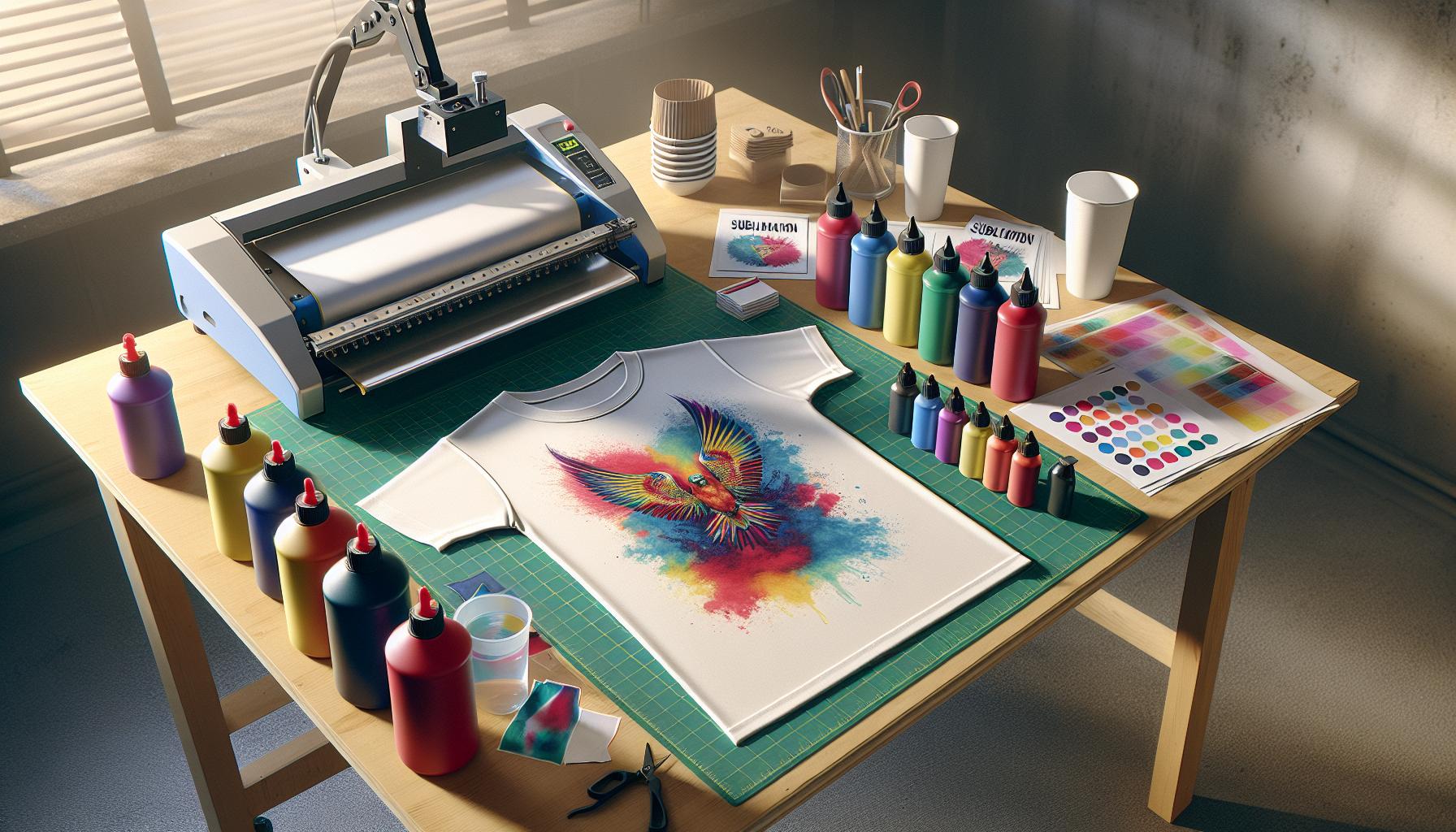
Sublimation ink is specifically designed to work with the sublimation process, where high heat converts the solid dye into a gas, allowing it to penetrate and bond with the fibers of polyester or poly-coated substrates. However, many people wonder if sublimation ink can effectively be used on traditional heat transfer paper, which is typically designed for standard inkjet inks.
Using sublimation ink on heat transfer paper can yield mixed results. Heat transfer paper is primarily meant for transferring regular inkjet prints onto fabric by applying heat, which melts the ink onto the surface. In contrast, sublimation ink requires a specific substrate, ideally one that can accept the dyed gas during the transfer process. When sublimation ink is used with heat transfer paper, the results may not adhere as well or produce the vibrant colors that sublimation prints are known for. The paper might not effectively hold the sublimation ink, leading to poor transfer quality and durability issues. In many cases, the print may smudge or not fully adhere to the target material, especially if it’s a fabric that doesn’t have a polyester base.
If you’re attempting to use sublimation ink with heat transfer paper, ensure the paper is specifically formulated for use with sublimation. Some manufacturers do offer heat transfer papers designed to handle sublimation specially, which may improve the transfer results. Regardless, always conduct test prints to evaluate the compatibility and quality of transfers, as this can vary widely between products and methods. For optimal results in sublimation printing, using sublimation-specific transfer paper and substrates is the best practice.
Understanding Sublimation Ink and Its Characteristics

Sublimation ink offers a unique approach to printing that stands out from traditional inkjet inks. Unlike standard inks that remain on the surface of materials, sublimation ink works through a chemical process that transforms solid dye into gas when exposed to high heat. This gas permeates the surface of polyester fabrics or specially coated materials, where it solidifies to create vibrant, durable designs. This method not only enhances color richness but also ensures that the print becomes an integral part of the fabric, which makes sublimation ideal for applications like custom apparel and promotional items.
One of the remarkable characteristics of sublimation ink is its ability to produce high-resolution images with exceptional detail and clarity. The dye molecules in sublimation ink are smaller than those in conventional inks, allowing for finer detail and smoother gradients. Furthermore, the bonding process during sublimation results in prints that are less prone to fading or cracking over time, setting sublimation apart in terms of longevity and quality of reproduction.
However, this unique ink type requires specific substrates to perform optimally. Utilizing sublimation ink on the wrong materials can lead to disappointing results, such as poorly adhered prints or muted colors. For example, when printed on cotton fabrics, sublime dyes will not bond effectively, because cotton lacks the polymer structure necessary for adequate dye fixation. This is crucial to consider if one is thinking about using sublimation ink on heat transfer paper, which is primarily designed for traditional inkjet inks and may not yield the expected quality of transfer.
In summary, understanding the characteristics of sublimation ink can guide users in maximizing their printing outcomes. By choosing the right materials and methods, such as polyester or specially coated surfaces, printers can take full advantage of sublimation’s vibrant colors and durability, making it a powerful option for various creative applications.
The Science Behind Heat Transfer Paper
Heat transfer paper serves as a vital tool in the realm of printing, enabling the transfer of images onto a variety of substrates, including fabrics and hard surfaces. This paper is coated with a special polymer that melts under heat, allowing the printed image to adhere effectively to the target material. However, the performance and suitability of heat transfer paper can vary significantly depending on the type of ink used, particularly when it comes to sublimation ink versus traditional inks.
For sublimation printing, the process involves converting solid dye into gas through heat. This gas then permeates the surface of suitable substrates like polyester or specially coated materials, bonding with the fibers at a molecular level. Traditional heat transfer paper is usually optimized for conventional inks, which remain on the surface of the substrate. As a result, when you attempt to use sublimation ink with standard transfer paper, the bonding mechanism may not work as intended, leading to subpar transfers, such as faded colors or incomplete adhesion.
To effectively utilize sublimation ink, it’s essential to choose heat transfer paper specifically designed for that purpose. These specialized sublimation transfer papers have coatings that better accommodate the sublimation process, ensuring that the gaseous dye can bond correctly with synthetic fibers or coated surfaces. This allows for vibrant, durable images that are less likely to crack or peel over time, making them ideal for high-quality apparel and promotional items. Hence, understanding can help maximize the potential of sublimation printing and achieve outstanding results in various applications.
Sublimation Ink vs. Traditional Inks: Key Differences
Using sublimation ink in printing offers distinct advantages and workings that set it apart from traditional inks. Understanding these key differences is crucial, especially when considering the appropriate materials for heat transfer applications.
Sublimation ink operates on a unique principle that involves converting solid dye directly into gas without passing through a liquid state, a process known as sublimation. This transformation occurs at elevated temperatures (typically around 390°F or 200°C) and enables the dye to penetrate synthetic materials, primarily polyester and specially coated items. The result is a vibrant, long-lasting image that becomes part of the fabric, exhibiting excellent durability and resistance to fading. In contrast, traditional inks, such as dye-based or pigment inks, remain on the surface of the substrate. While they can be suitable for applications on various surfaces, they lack the same depth of color and adhesion associated with sublimation printing.
When utilizing heat transfer paper, the difference in interaction between sublimation ink and traditional ink becomes more pronounced. Traditional heat transfer papers are usually coated to accept inks that dry on the surface. As a result, the bonding of traditional inks is merely superficial, making them more prone to peeling or cracking over time. In contrast, sublimation transfer papers are designed to work with the gaseous state of sublimation ink, allowing the dye to bond at a molecular level with the fibers of the material. This process not only enhances the vibrancy of the colors but also contributes to a softer feel, as the image is not layered on top of the fabric but rather embedded within it.
Employing the wrong type of ink with the corresponding transfer medium can lead to mishaps, such as poor adhesion or dull prints. To achieve optimal results in sublimation printing, using dedicated sublimation paper is essential. This ensures the best transfer quality and effectiveness, affirming that while sublimation ink and traditional inks share the common goal of transferring images, their methods and compatibility with materials differ significantly, necessitating careful selection for successful printing.
How Sublimation Works on Various Surfaces
Sublimation is a fascinating process that uniquely interacts with various surfaces, setting it apart in the printing world. When sublimation inks are applied to heat transfer paper, they initially remain as solid dyes until heat is introduced. At temperatures around 390°F (200°C), sublimation inks transition directly into a gas without becoming liquid. This gaseous state allows the dye to penetrate synthetic fibers or specially coated surfaces, forming a permanent bond. This molecular bonding is what makes sublimation printing so effective, especially on materials like polyester.
The ability of sublimation ink to bond at a molecular level means that the end result is not merely a print sitting on top of a fabric but rather a vibrant image infused into it. This integration yields prints that are not only vivid but also remarkably durable and resistant to fading, cracking, or peeling. Unlike traditional heat transfer methods, which may apply the ink on top of the surface and risk damage over time, sublimation ensures that the image becomes part of the item itself. As a result, products made with sublimation printing can endure the rigors of washing and wearing better than those that use standard ink methods.
Choosing the right surface for sublimation is crucial for achieving excellent results. While polyester fabrics are the most common substrates, sublimation can also successfully transfer onto any material that has been coated to accept dye, such as mugs, phone cases, and metal sheets. However, this process won’t work satisfactorily with natural fibers like cotton unless they are treated. Understanding these distinctions not only helps in selecting the correct materials but also enhances the overall quality of the final product.
When employing heat transfer paper specifically designed for sublimation, the functional synergy between the ink and paper becomes key. Sublimation transfer papers are coated to release the gas while maintaining precise temperature control, thus ensuring a consistent and high-quality transfer. Therefore, when integrating sublimation into various surfaces, utilizing the appropriate transfer method-along with understanding how the materials interact with heat-is essential for achieving stunning and lasting results.
Benefits of Using Heat Transfer Paper with Sublimation Ink
When it comes to sublimation printing, using heat transfer paper specifically designed for this technique opens up a world of benefits that enhance both the process and the end results. One of the standout advantages is the ability to achieve vibrant, high-quality prints that stand the test of time. The sublimation process allows the ink to vaporize and bond with synthetic materials, leading to prints that are embedded within the fabric rather than sitting on top. This results in rich colors and sharp details that are resistant to fading, peeling, or cracking, making it an ideal choice for products intended for regular use.
Additionally, using the right type of heat transfer paper can significantly streamline the sublimation process. Papers designed for sublimation often have coatings that help control the release of dye during the heat transfer. This ensures a more accurate and consistent application of the ink, reducing the likelihood of blurring or misalignment. When sublimation inks are printed on appropriate transfer paper, they maintain their desired color and detail, providing more predictable and professional outcomes for creators and businesses alike.
In terms of versatility, heat transfer paper for sublimation can be used on a variety of substrates, expanding the range of products you can create. While polyester fabrics are the primary medium, these papers can also be effective for coated materials like ceramics, metals, and plastics. This versatility allows creative freedom and the capability to produce custom products, which can be particularly beneficial for businesses looking to diversify their offerings. Moreover, the durability of sublimated prints makes them suitable for promotional items, garments, and accessories that require longevity, thus adding value to the final product.
Lastly, cost-effectiveness is another noteworthy benefit. Although the initial investment in quality sublimation ink and transfer paper may be higher than traditional methods, the long-lasting nature of the prints can lead to better customer satisfaction and fewer reprints. This durability contributes to the overall efficiency of sublimation printing, making it a worthwhile option for both hobbyists and professionals. By investing in the right materials, users can enhance their printing capabilities and create products that are not only visually appealing but also built to withstand everyday wear and tear.
Potential Issues When Using Sublimation Ink on Heat Transfer Paper
Using sublimation ink on heat transfer paper can lead to various challenges that every user should be aware of. While sublimation is celebrated for its ability to produce vibrant and durable prints on polyester and specially coated surfaces, the compatibility of sublimation inks with transfer paper designed for other types of printing can be hit or miss. This is primarily due to the differences in the materials and coatings used in heat transfer papers, which can affect the final outcome of the print.
One major issue arises from the heat settings required for sublimation. Sublimation ink needs to be heated to a specific temperature, typically between 385°F and 400°F, to effectively vaporize and bond with the substrate. However, many heat transfer papers might not withstand such high temperatures, leading to potential damage such as curling or melting. This can cause misalignment during the transfer process, resulting in blurred images or incomplete prints. Users must carefully check the heat transfer paper specifications to ensure it can tolerate the temperatures required for sublimation printing.
Another point to consider is the type of coating used on heat transfer paper. Sublimation requires papers that are optimized for dye diffusion, which means they should have a specific coating that allows for even ink absorption and release. Using standard heat transfer papers can result in unsatisfactory prints where colors are dull or lack vibrancy, as these papers may not facilitate the proper sublimation process. It’s essential for users to distinguish between heat transfer papers meant for standard ink transfers versus those specifically designed for sublimation.
Moreover, the choice of fabric or substrate also plays a critical role in the success of sublimation. Sublimation works best on polyester and polymer-coated materials, so using these inks on cotton or other natural fabrics via heat transfer paper won’t yield the same results. These materials do not allow the sublimation ink to bond effectively, leading to washed-out prints that may fade quickly. To mitigate these issues, users should stick to heat transfer papers that are explicitly labeled for use with sublimation ink and ensure their substrates are appropriate for sublimation printing.
Best Practices for Successful Transfers with Sublimation Ink
Using sublimation ink with heat transfer paper can be a game changer for custom apparel and products, but success hinges on following key practices that maximize the quality and durability of your prints. Understanding these best practices not only enhances the appearance of your transfers but can also save you time and resources.
First, always choose heat transfer paper that is specifically designed for sublimation printing. These papers typically feature coatings that facilitate dye diffusion, ensuring vibrant colors and sharp images. It’s essential to avoid standard transfer papers, which are not optimized for the high temperatures required for sublimation (typically 385°F to 400°F). These specialized sublimation papers will absorb the ink properly and release it onto the substrate when heat is applied, leading to better quality prints.
Next, pay close attention to your heat settings and pressure. Each type of sublimation paper may have different requirements, so consult the manufacturer’s instructions for optimal temperature, time, and pressure settings. Properly preheating both your substrate and the heat press can help achieve a uniform transfer, preventing issues such as insufficient ink release or misalignment. A consistent approach to heat application will mitigate common problems, such as fading or uneven prints.
Additionally, select substrates that are conducive to sublimation. Fabrics made of at least 65% polyester will yield the best results, while coated surfaces can also work well. Natural fibers, like cotton, do not bond with sublimation ink, resulting in dull or incomplete transfers. Furthermore, before printing, conduct test runs on a small sample of your intended substrate. This practice not only helps you adjust your settings but also provides insight into any adjustments needed for better outcomes.
Lastly, after transferring, allow your items to cool before peeling the paper. This cooling period reduces the risk of smudging and ensures the ink has set properly into the material. Once cooled, inspect your transfers thoroughly to identify any imperfections and make necessary adjustments for future projects. By adhering to these best practices, you can confidently produce stunning sublimation prints on heat transfer paper that showcase the full potential of this technology.
Alternative Papers for Sublimation Printing
Using the right type of paper is crucial in achieving the best results with sublimation printing. While sublimation paper specifically designed for this purpose is often highlighted, there are also alternative papers that can yield impressive results based on your specific projects or materials. Understanding your options allows for greater creative flexibility and potentially lowers costs without sacrificing quality.
One noteworthy alternative is coated heat transfer paper. Unlike traditional papers that may not effectively hold sublimation ink, coated heat transfer papers are engineered to bond well with the ink during the sublimation process. This ensures that vibrant colors and sharp images are transferred to fabrics effectively. Look for papers that are labeled as suitable for sublimation, as they typically feature a special coating that aids in the dye transfer process.
Another option is transfer paper made for inkjet printers. If the intended use is for items like mugs or different surfaces, these papers can sometimes work well when matched with suitable coatings. However, keep in mind that results may vary depending on the substrate. Always do a test print before full production to ensure the colors and quality are up to expectations.
Additionally, some users successfully employ laser transfer paper, particularly for fabrics that are not ideal for direct sublimation processes. While not the primary recommendation for sublimation prints, these papers can provide alternative pathways for creative projects, especially when combined with heat and pressure settings that optimize ink release.
In summary, while sublimation paper is the go-to choice for the best outcomes in most scenarios, exploring alternatives such as coated heat transfer or inkjet transfer paper can expand your options and potentially save costs. Always test the materials beforehand to guarantee compatibility and ensure that they meet your requirements for color vibrancy and image clarity.
Expert Tips on Choosing the Right Heat Transfer Paper
Choosing the right heat transfer paper can significantly influence the outcome of your sublimation projects. Many users are often surprised to learn that not all heat transfer papers are created equal, especially when it comes to compatibility with sublimation ink. To achieve the best results, consider the following expert tips.
First, prioritize paper that specifically mentions compatibility with sublimation. Coated heat transfer papers are often the best choice due to their ability to bond with sublimation inks during the heat transfer process. These papers feature a specialized coating that not only enhances color vibrancy but also ensures that the ink transfers evenly onto your fabric. Look for products labeled explicitly for sublimation to avoid common pitfalls experienced with generic transfer papers.
Another key factor is the weight of the paper. Heavier papers tend to withstand the pressure and temperature of the heat press better than lighter ones, resulting in sharper transfers. As a rule of thumb, opt for paper that weighs at least 90gsm (grams per square meter) for best performance. Additionally, consider the size of the paper relative to your project; for instance, larger items may require oversized transfer paper to ensure complete coverage.
Don’t forget to perform test prints before committing to a full run. This is crucial for evaluating how well the paper handles your specific ink and printer settings. Variability in ink formulations can affect transfer quality, so a simple test will save you potential disappointment. Perform your tests with the same temperature and pressure you plan to use in actual transfers to mimic real-world conditions.
Finally, understanding the substrate you will be using can influence your choice. For example, if you’re planning on sublimating onto cotton blends, some transfer papers designed for synthetic fabrics may work better than others. Always check manufacturer guidelines and consider the specific requirements of your final product to ensure compatibility with the heat transfer paper.
By adhering to these guidelines, you can enhance the quality of your sublimation prints and minimize issues related to ink adhesion and color fidelity. Whether you’re creating custom apparel, merchandise, or artistic pieces, the right heat transfer paper is essential for achieving professional-looking results.
Common Myths About Sublimation Ink and Heat Transfer
Many misconceptions surround sublimation ink and its compatibility with various heat transfer methods, particularly when it comes to heat transfer paper. One prevalent myth is that all transfer papers can successfully accommodate sublimation inks. In reality, sublimation ink requires specific types of coated transfer paper designed to work with high temperatures and the chemical properties of sublimation. Using generic or uncoated paper can lead to poor transfer results, with issues such as fading colors and incomplete designs.
Another common myth is that sublimation can be effectively used on any fabric. While sublimation works beautifully on polyester and polymer-coated substrates, it will not yield good results on natural fibers like cotton. The sublimation process relies on the polymer fibers being heated to a point where the ink becomes gas, allowing it to bond with the substrate. Consequently, sublimating onto cotton fabrics without a special coating will often result in no transfer at all or a very faint image.
Additionally, some creators believe they can switch seamlessly between sublimation inks and traditional inkjet inks when using the same printer. This practice can lead to significant problems, as the two inks operate under different principles. For instance, switching back and forth can clog the printhead or produce inconsistent results. To maintain print quality and prevent equipment damage, it is advised to dedicate printers specifically for either sublimation or pigment inks.
Lastly, it’s a misconception that sublimation processes are only meant for large-scale industrial applications. In fact, hobbyists and small business owners can achieve professional-quality results at home with the right equipment and materials. Many users have successfully launched businesses creating custom apparel and promotional products using sublimation techniques, dispelling the myth that such printing methods are reserved solely for commercial use. By overcoming these myths and understanding the practical applications of sublimation ink, users can maximize their creative potential and produce exceptional, lasting prints.
Real-Life Applications: Sublimation on Heat Transfer Paper
Using sublimation ink with heat transfer paper can be an empowering technique for both hobbyists and small business owners looking to produce vibrant, durable designs. When executed correctly, this method enables the transfer of stunning graphics onto a variety of substrates, particularly those that are polymer-rich. The practical applications of sublimation on heat transfer paper extend across multiple industries, ranging from custom apparel to personalized promotional items.
Here are some common real-life applications of sublimation using heat transfer paper:
- Custom Apparel: One of the most popular uses for sublimation on heat transfer paper is in the production of custom t-shirts, hoodies, and sportswear. Designers can create intricate, full-color designs that become part of the fabric itself, ensuring longevity and resistance to fading even after multiple washes.
- Promotional Products: Businesses often utilize sublimation on items like mugs, coasters, and tote bags. This method allows for high-quality branding on everyday products, making them ideal for giveaways or merchandise that stand out in a crowded market.
- Personalized Gifts: From custom puzzles to decorative home items, sublimation allows consumers to create heartfelt personalized gifts featuring family photos or favorite quotes. The ability to customize these products adds a unique touch that resonates with recipients.
- Event Merchandise: Events like marathons, family reunions, or corporate functions benefit from sublimated items such as event shirts, banners, and souvenirs. These products not only enhance the experience but also serve as lasting memories for participants.
For successful transfers, it’s essential to choose the right type of heat transfer paper specifically designed for sublimation ink. Using subpar paper can result in muted colors or incomplete designs, severely affecting the final product. Moreover, substrates should ideally be made from polyester or have a polymer coating to facilitate the sublimation process. This ensures that the dye permanently bonds with the material, leading to vibrant, high-resolution prints that withstand the test of time.
By understanding the practical applications and following best practices, anyone can tap into the potential of sublimation on heat transfer paper. This technique not only enhances creativity but also opens doors to diverse business opportunities in the ever-evolving world of custom printing.
Frequently Asked Questions
Q: Can sublimation ink be used on any type of heat transfer paper?
A: No, sublimation ink is not suitable for all heat transfer papers. It works best on *specially coated sublimation transfer paper* designed to withstand the heat and pressure of the transfer process. Using the wrong type can lead to poor results and reduced durability.
Q: What happens if I use sublimation ink on regular heat transfer paper?
A: Using sublimation ink on regular heat transfer paper typically results in *smeared images or faded prints*. Regular heat transfer papers are not designed for sublimation, leading to ineffective ink absorption and ultimately flawed heat transfers.
Q: Is it possible to print sublimation designs directly onto heat transfer paper?
A: No, sublimation designs cannot be printed directly onto heat transfer paper intended for other inks. They need *sublimation-specific paper* that allows the ink to bond with polyester fabrics during the heat transfer process for optimal results.
Q: Can I use heat transfer vinyl instead of paper for sublimation prints?
A: No, heat transfer vinyl is not compatible with sublimation prints. Instead, sublimation ink requires a *polyester-coated or sublimation-specific substrate* to achieve vibrant, lasting colors. Vinyl works only with traditional inks and direct printing methods.
Q: What should I consider when choosing heat transfer paper for sublimation?
A: When selecting heat transfer paper for sublimation, consider the *paper’s coating, thickness, and compatibility with your printer*. Always choose sublimation paper specifically designed for the ink type you’re using to ensure the best print quality and transfer results.
Q: Does the material of the fabric affect sublimation printing on heat transfer paper?
A: Yes, the fabric material is crucial for sublimation. Sublimation ink works best on *polyester fabrics* or those with a polyester blend. Using the wrong material may result in poor color vibrancy and durability.
Q: How can I ensure successful results when using sublimation ink with heat transfer paper?
A: To achieve successful results, ensure that you use *high-quality sublimation paper, properly adjust your heat press settings*, and select fabrics that are at least 65% polyester. This will maximize ink absorption and enhance print longevity.
Q: Are there any myths about using sublimation ink on heat transfer paper I should be aware of?
A: One common myth is that all types of heat transfer paper can be used interchangeably with sublimation ink. In reality, *only special sublimation paper made for the specific ink type* will yield satisfactory results. Knowledge of material compatibility is crucial.
Concluding Remarks
In summary, while sublimation ink is designed specifically for polyester materials, it’s crucial to understand its limitations when applied to heat transfer paper. If you’re looking to achieve vibrant prints on polyester fabrics, sublimation is the way to go, but it won’t work effectively on cotton-based heat transfer options.
If you’re intrigued by the nuances of printing techniques, check out our guides on “Switching Between Sublimation and Pigment Inks” or “Best Practices for Choosing Heat Transfer Paper.” Don’t miss out on practical resources and tips that can boost your printing projects!
Ready to take your skills to the next level? Subscribe to our newsletter for expert insights and updates, or explore our shop for high-quality sublimation supplies. Join the conversation and share your experiences in the comments below-your insights could help others in the community!
Get our latest guides, news, and insights highlighted in your Google Search & AI Overviews.