Imagine a heating and cooling system that not only reduces your energy bills but also minimizes your carbon footprint. A water-source heat pump (WSHP) utilizes water as a heat-transfer medium, making it a highly efficient option for both residential and commercial applications. By harnessing the consistent temperature of water bodies like lakes or aquifers, WSHPs provide a sustainable solution to temperature control, addressing growing concerns about energy consumption and environmental impact. This technology not only aids in climate control but also aligns with the increasing demand for renewable energy solutions. As we delve deeper into the workings and benefits of water-source heat pumps, you’ll discover how they can transform your approach to heating and cooling in an eco-friendly way.
Understanding Water-Source Heat Pumps: An Overview
A water-source heat pump represents an innovative approach to heating and cooling systems, utilizing water as a reliable heat-transfer medium. Unlike traditional air-source heat pumps, which extract heat from the air, these systems leverage stable water temperatures found in lakes, rivers, or underground aquifers. This feature allows water-source heat pumps to maintain high efficiency across various climates and seasonal changes, making them a favorable option for both residential and commercial applications.
In essence, the functionality of water-source heat pumps is rooted in the principles of heat exchange. When heating a building, the system absorbs heat from the water, which is then transferred indoors. Conversely, during the cooling process, heat is expelled back into the cooler water source. This efficient transfer minimizes energy consumption and subsequently reduces environmental impact. Furthermore, because water temperatures are generally more stable than air temperatures, water-source heat pumps can deliver efficient performance year-round, even in regions that experience extreme weather conditions.
Key Components of a Water-Source Heat Pump System
The effectiveness of these systems hinges on several key components:
- Heat Exchangers: Essential for transferring heat between the water and the refrigerant.
- Circulating Pumps: Ensure continuous movement of water through the system.
- Compressors: Compress refrigerant to raise its temperature for effective heat exchange.
- Distribution System: The network through which warm or cool air is distributed within the building.
The integration of these components results in a robust system capable of delivering comfort with minimal energy use. As awareness grows regarding sustainable energy practices, water-source heat pumps are poised to become a cornerstone in the future of energy-efficient heating and cooling solutions.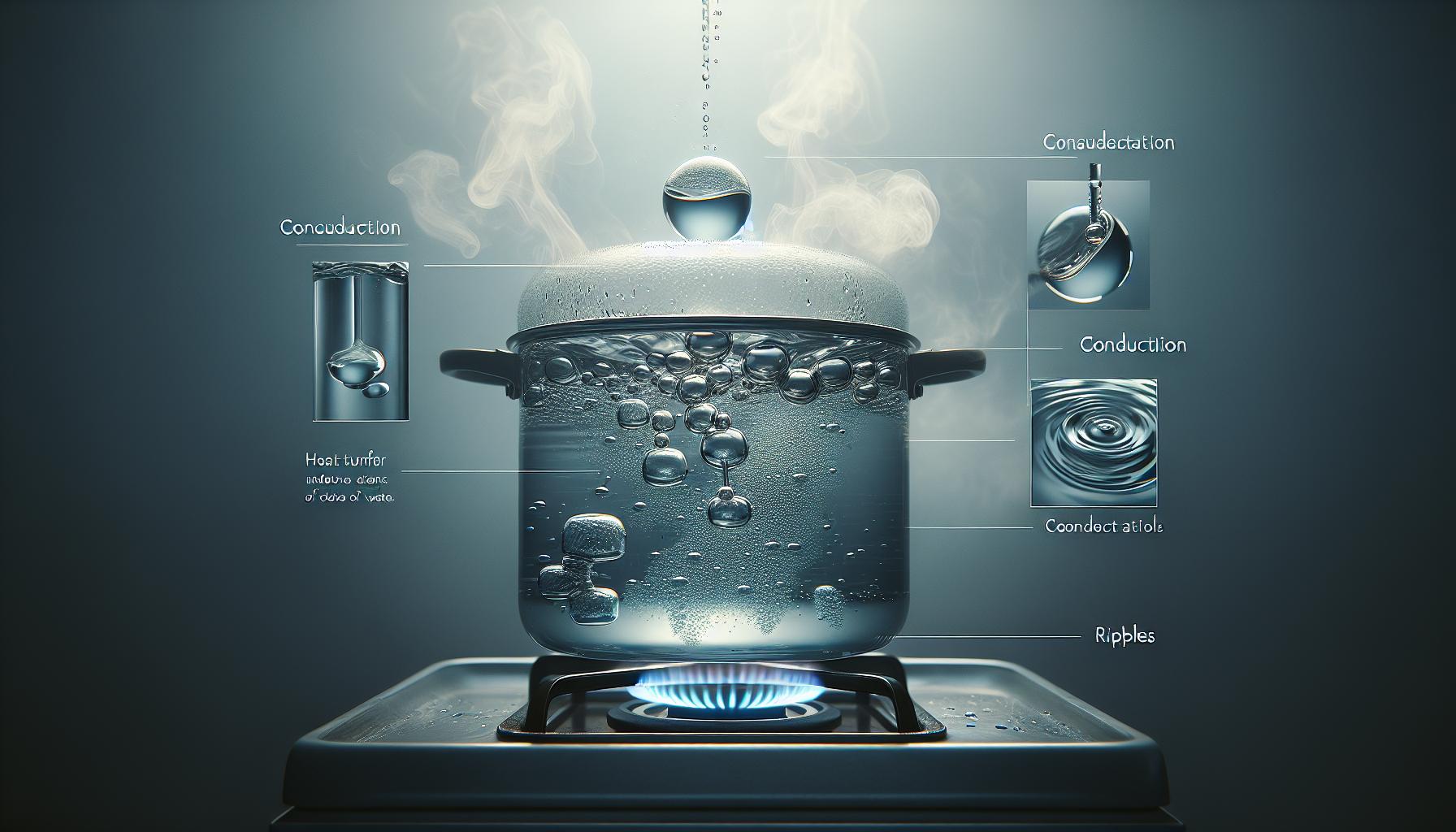
The Science Behind Heat Transfer in Water
Water is an extraordinary medium for heat transfer due to its unique physical and chemical properties. For example, it has a high specific heat capacity, meaning it can absorb and store substantial amounts of thermal energy without a significant change in temperature. This makes water ideal in systems like water-source heat pumps, where efficient heating and cooling depend on stable temperature management. When water is used as a heat-transfer medium, it provides a consistent and efficient way of regulating indoor climates, leveraging the natural thermal energy found in nearby bodies of water or the ground.
The fundamental principle behind the heat transfer in water-source heat pumps is known as convection, which involves the movement of water to transfer heat. In a typical system, the pump draws water from a stable source and uses it to remove heat from the building during cooling or add heat during heating. This process is efficient for several reasons. First, the temperature of water remains relatively constant compared to air, which can fluctuate widely with the seasons. Second, the density of water allows it to carry more heat energy than air, making it more effective for heat transfer in heating and cooling applications.
Heat exchangers play a crucial role in facilitating this transfer of energy. They are designed to maximize contact between the refrigerant and water, enabling efficient heat exchange. During heating, the refrigerant absorbs heat from the water, and during cooling, it gives off heat back into the water. This exchange is not only effective but also crucial for the overall efficiency of the HVAC system, allowing it to operate with reduced energy consumption compared to conventional systems relying solely on air.
In summary, hinges on its high capacity to store thermal energy and its efficient thermal conductivity. By harnessing these properties, water-source heat pumps can optimize building comfort while minimizing environmental impact. As technology progresses, these systems are becoming increasingly sophisticated, contributing to sustainable solutions in residential and commercial energy use.
Key Benefits of Using Water as a Heat-Transfer Medium
Water is not only essential for life but also an incredibly efficient medium for heat transfer, making it an ideal choice for water-source heat pumps. These systems leverage water’s unique properties to provide superior heating and cooling solutions, often outperforming traditional air-source heat pumps. One of the standout benefits of using water as a heat-transfer medium is its high specific heat capacity. This property allows water to absorb and retain a significant amount of thermal energy, ensuring a stable and consistent temperature in your heating and cooling systems. Unlike air, which can be affected by drastic temperature fluctuations, water maintains a more constant temperature, enhancing the efficiency of temperature regulation in buildings.
Furthermore, the density of water plays a critical role in heat transfer efficiency. Water can carry more heat energy than air due to its higher density, allowing it to transfer thermal energy more effectively in both heating and cooling applications. This capability translates into lower energy consumption since water-source heat pumps generally require less energy to move heat compared to their air-source counterparts. As a result, homeowners and businesses can enjoy reduced utility bills and a lower carbon footprint, all while maintaining comfortable indoor conditions.
In terms of installation and maintenance, water-source heat pumps can often be placed in various configurations that best utilize local geographical features, such as bodies of water or below-ground sources. This flexibility can lead to favorable cost dynamics for system installations, particularly in areas where conventional heating and cooling methods might entail substantial infrastructure investments. Moreover, the durability and longevity of these systems provide additional value, with many installations requiring less frequent repairs and offering longer service life compared to traditional air-based systems.
In summary, utilizing water as a heat-transfer medium in water-source heat pumps not only enhances energy efficiency but also supports consistent temperature management, reduces operational costs, and promotes sustainability. These systems are not just an alternative; they represent a significant leap forward in creating efficient and environmentally friendly heating and cooling solutions for both residential and commercial applications.
Types of Water-Source Heat Pumps Explained
Water-source heat pumps are a transformative solution in the realm of energy-efficient heating and cooling. They utilize water as a heat-transfer medium, capitalizing on its intrinsic thermal properties. The three main types of water-source heat pumps-open-loop, closed-loop, and hybrid systems-each have unique configurations and applications suited to varying environmental conditions and user needs.
Open-Loop Water-Source Heat Pumps
In open-loop systems, groundwater is directly drawn from a well or surface body of water, such as a lake or river. The heat pump extracts heat from the water for heating purposes or discharges heat back into the water for cooling. This type of system is highly efficient, as it utilizes a naturally replenished heat source. However, it’s essential to ensure sustainability in drawdown rates to avoid depleting local resources. Applications of open-loop systems are common in residential settings where adequate groundwater supply is available, proving particularly effective in regions with stable groundwater temperatures.
Closed-Loop Water-Source Heat Pumps
Closed-loop systems circulate water within a sealed loop, either buried underground (horizontal or vertical configurations) or submerged in a body of water. These systems maintain a constant supply of water by recycling it continually. Horizontal installations are generally less expensive and easier to set up but require more land area, making vertical systems preferable for sites with limited space. Closed-loop systems are favored for their environmental sustainability, as they do not depend on continuous access to external water sources. They provide consistent performance and efficiency, making them suitable for both residential and commercial facilities.
Hybrid Water-Source Heat Pumps
Hybrid systems combine elements of both open and closed-loop configurations. They can switch between different water sources depending on availability and efficiency needs, optimizing performance under varying conditions. This adaptability allows hybrid systems to take advantage of local resources, reducing operational costs and enhancing system reliability. Such configurations are particularly valuable in areas with fluctuating water levels or in climates with significant seasonal temperature changes.
Each type of water-source heat pump offers unique advantages and considerations, allowing users to choose the best fit for their specific needs. Understanding these systems enhances the ability to implement effective and sustainable heating and cooling solutions. As technology advances, the efficiency and adaptability of water-source heat pumps will continue to improve, making them an essential component of future energy strategies.
Installation Insights: Setting Up Your System
Setting up a water-source heat pump system can be a rewarding endeavor, offering energy efficiency and sustainable heating and cooling solutions. To ensure a seamless installation, it’s essential to understand the specific requirements and procedures that apply to both open-loop and closed-loop systems. Each type has its own intricacies, which can significantly affect performance and longevity if not correctly addressed from the outset.
The first step involves carefully selecting the location for the installation. For closed-loop systems, you’ll want to determine the appropriate layout-horizontal, vertical, or even submerged in water-based on your available space and local geological conditions. Vertical installations, while more resource-intensive, can be ideal for small lots where land use is constrained. Open-loop systems, conversely, rely on a nearby groundwater or surface water source. Ensuring a reliable and sustainable water supply is critical here; it’s often advisable to consult with local environmental authorities to verify the sustainability of usage rates.
Once the location is selected, you need to establish the plumbing connections for the heat pump. For open-loop systems, this means installing pumps and reinjection lines for the water, which must be meticulously designed to ensure efficiency and avoid over-extraction. Closed-loop setups require trenching for pipe installation, with attention given to the type of piping material-cross-linked polyethylene (PEX) is commonly used due to its flexibility and durability.
Throughout the installation process, it’s crucial to incorporate a well-designed control system that optimizes the heat pump’s performance. Smart thermostats and advanced controls can help achieve greater energy savings by allowing for real-time adjustments based on environmental conditions and usage patterns. Additionally, thorough testing is necessary post-installation to verify that all components are functioning correctly and efficiently, which might include flow testing for open-loop systems or pressure testing in closed-loop installations.
In summary, considering site-specific factors and employing best practices during the installation stage is key to maximizing the efficiency and lifespan of your water-source heat pump system. Engaging qualified professionals and ensuring compliance with local regulations will further enhance the likelihood of a successful setup, paving the way for sustainable comfort and savings in energy costs.
Energy Efficiency and Performance Metrics
Water-source heat pumps (WSHPs) are gaining traction precisely because they exploit the inherently stable temperatures found in bodies of water, delivering impressive energy efficiency. A critical performance metric for these systems is the coefficient of performance (COP), which measures the ratio of heating or cooling provided to the energy consumed. WSHPs can achieve COP values between 3.0 and 6.0, indicating that for every unit of electrical energy consumed, they can transfer three to six units of thermal energy. This efficiency is particularly advantageous in climates with significant temperature fluctuations.
To optimize energy use, understanding heat transfer is vital. Water, as a heat-transfer medium, has a high specific heat capacity, meaning it can absorb and release large amounts of heat without substantial temperature change. This property enables water-source heat pumps to operate efficiently, especially in comparison to air-source systems where temperature variations can drastically affect performance. Moreover, utilizing natural water bodies often leads to lower operating costs since energy input is minimized in maintaining an optimal operational temperature.
### Evaluating Performance Metrics
When evaluating the efficiency of a WSHP system, several performance metrics come into play:
- Seasonal Performance Factor (SPF): This metric assesses the system’s efficiency over an entire heating or cooling season, providing a more realistic view of performance.
- Energy Efficiency Ratio (EER): This ratio measures the cooling output divided by the power input at a specific operating condition, helping to evaluate peak performance.
- Life Cycle Cost (LCC): Considering both initial investment and ongoing operational costs, LCC offers insight into long-term economic benefits compared to traditional heating systems.
In practice, users can enhance the efficiency of WSHPs through regular monitoring and maintenance. Employing smart technology to regulate flow rates and temperatures, adjusting operational parameters based on real-time data, and ensuring proper water quality can all contribute to sustained high performance. By focusing on these , consumers not only achieve significant cost savings but also contribute to sustainable energy practices.
Cost Analysis: Initial Investment vs. Long-Term Savings
Investing in water-source heat pumps (WSHPs) can appear daunting at first glance, especially when considering the upfront costs compared to traditional heating systems. However, it’s essential to look beyond initial investment figures and understand the long-term savings that come with this technology. WSHPs capitalize on the stable temperatures of bodies of water, providing impressive energy efficiency and significant operational cost reductions over time.
The initial setup cost of a WSHP system can be higher than that of air-source heat pumps or conventional systems. These expenses often include the price of the unit itself, installation, and any necessary permits or environmental assessments to ensure the system’s compliance with local regulations. Yet, many users find that the long-term savings far outweigh these initial hurdles. For instance, average savings can reach up to 30-50% on energy bills due to their ability to transfer heat more efficiently, reflected in their favorable coefficient of performance (COP) ratings.
Analyzing Cost-Benefit Factors
To gain a comprehensive view, consider the following factors that contribute to long-term savings with WSHPs:
- Energy Efficiency: WSHPs typically achieve a COP of between 3.0 and 6.0, meaning they can deliver three to six units of heating or cooling for every unit of electricity consumed. This increased efficiency translates directly into lower energy bills.
- Maintenance Costs: While regular maintenance is necessary for optimal performance, WSHPs often require less frequent upkeep than conventional systems. Their simpler design and fewer moving parts can lead to reduced repair costs over the system’s lifespan.
- Incentive Programs: Many regions offer financial incentives, such as rebates or tax credits, for installing energy-efficient systems like WSHPs. These can significantly offset initial costs.
Overall, when you account for both direct savings on energy bills and potential maintenance expenses, WSHPs become an increasingly attractive option. While upfront costs should be planned for, the long-term financial benefits and reduced environmental impact present a compelling case for opting for water-source heat pump technology, merging economic sensibility with a commitment to sustainability.
Comparative Analysis: Water vs. Air Source Heat Pumps
Water-source heat pumps (WSHPs) are often compared with air-source heat pumps (ASHPs) and understanding the distinctions between the two can significantly influence your decision on which technology to adopt. Both systems are designed to provide heating and cooling effectively, but they leverage different resources which affects their performance, efficiency, and application contexts.
One of the most significant advantages of WSHPs is their ability to utilize the relatively stable temperatures of bodies of water. This stability allows WSHPs to maintain higher energy efficiencies throughout the year, as water temperatures tend to fluctuate less than air temperatures. For example, a WSHP might achieve a coefficient of performance (COP) of 4.0 or higher, meaning it can produce four units of heating or cooling for every unit of electricity it consumes. In contrast, ASHPs typically have a COP that varies more widely, often dropping to around 2.5 or lower during extreme temperature conditions.
The installation environment also varies significantly between the two systems. WSHPs require access to a water source, which can limit their application to specific locations that have nearby lakes, ponds, or wells. Conversely, ASHPs are more versatile and easier to install, as they can be placed in most residential and commercial settings without the need for water access. However, the performance of ASHPs can be significantly affected by outdoor air temperatures, with efficiency dropping in colder temperatures when heating demands are highest, leading to increased energy consumption and costs.
When it comes to environmental impact, WSHPs may offer advantages in terms of sustainability. Because they capitalize on natural thermal energy from water, they may contribute to lower greenhouse gas emissions over their operational lifetime compared to ASHPs, especially in regions where electricity generation is reliant on fossil fuels. Furthermore, both systems typically require less energy than traditional heating systems, making him an attractive choice for energy-conscious consumers.
In summary, while both water-source and air-source heat pumps provide effective climate control solutions, selecting between them depends on specific circumstances. Consider factors including local climate, accessibility to water, and long-term energy costs to determine which system aligns best with your needs. Whether choosing the robust efficiency of WSHPs or the straightforward installation of ASHPs, understanding these differences can enhance your decision-making process and lead to significant energy savings and environmental benefits over time.
Maintenance Tips for Optimal Performance
To ensure that your water-source heat pump (WSHP) operates at peak efficiency, regular maintenance is crucial. These systems are designed to last, but like any technology, they require attention to detail to maximize performance and longevity. One key fact to remember is that a well-maintained WSHP can outperform its competitors, often leading to energy savings and reduced operating costs.
An essential practice in maintaining a WSHP is to regularly check and clean the water source. Debris, algae, or sediment can accumulate over time and restrict water flow, leading to inefficiencies and increased wear on the pump. Here are some practical steps for effective maintenance:
- Inspect Water Quality: Regular water testing can help you keep track of pH levels and chemical balances, preventing corrosion or scale buildup.
- Clean Filters: Heat pump filters should be cleaned or replaced at least every few months to ensure optimal airflow and prevent strain on the system.
- Monitor Water Levels: Make sure that the water source, whether it’s a pond, well, or lake, remains adequately filled to support the system’s operation.
- Check for Leaks: Regularly inspect piping and connections for any signs of leaks, which can reduce efficiency and lead to costly repairs.
Another critical aspect of maintenance involves the mechanical components of the heat pump. Lubricating moving parts and ensuring that all electrical connections are secure can go a long way in preventing mechanical failures. It’s advisable to schedule annual professional inspections to address any potential issues that may not be visible to the untrained eye.
In addition, monitoring your system’s performance metrics can provide valuable insights. Make note of the coefficient of performance (COP) and compare it to manufacturer specifications. A significant drop in efficiency could indicate a need for maintenance or repairs. By implementing these straightforward maintenance practices, you can help ensure that your WSHP continues to deliver energy-efficient heating and cooling for years to come, maximizing both environmental benefits and savings on energy bills.
Real-World Applications of Water-Source Heat Pumps
Water-source heat pumps (WSHPs) stand out as a revolutionary solution for both residential and commercial heating and cooling needs, leveraging water’s natural thermal properties to optimize energy efficiency. The versatility of these systems is illustrated in various real-world applications, from community heating projects to advanced commercial refrigeration systems, showcasing their adaptability and environmental benefits.
In urban settings, WSHPs have been effectively integrated into district heating systems, where multiple buildings share a common water source. For instance, a notable example is found in several European cities, where WSHPs utilize locally available water bodies, like lakes or aquifers, to supply heating for entire neighborhoods. This not only reduces the reliance on fossil fuels but also mitigates greenhouse gas emissions. By tapping into the thermal energy stored in the water, these systems provide sustainable and continuous heating during winter months while also offering cooling solutions in summer.
Another significant application is within agricultural settings, where WSHPs are employed to control the temperature of greenhouses and livestock facilities. This technology enables farmers to maintain optimal growing conditions, which can enhance crop yield and animal welfare. In one case, a greenhouse operation used a WSHP system to harness heat from a nearby pond, allowing it to significantly cut energy costs while sustaining high production levels. By implementing this resource-efficient technology, farmers not only save money but also align their practices with sustainable agricultural initiatives.
Moreover, industries such as hospitality and manufacturing are adopting WSHPs to enhance their energy strategies. For example, some hotels and resorts have installed WSHP systems to utilize lakes or oceans for efficient water heating and cooling, reducing their carbon footprints while enhancing guest comfort. In manufacturing, these systems can be used to extract residual heat from industrial processes, which can then be repurposed for space heating or water heating, thereby increasing overall energy efficiency and decreasing operational costs.
With their robust performance and sustainable credentials, water-source heat pumps are proving invaluable in a myriad of applications, offering significant financial savings and environmental advantages while paving the way for a greener future.
Future Trends in Water-Source Heat Pump Technology
As energy efficiency becomes a critical concern globally, the future of water-source heat pumps (WSHPs) is poised for transformative growth. These systems not only offer significant reductions in greenhouse gas emissions but also leverage renewable water resources, making them a cornerstone of sustainable energy strategies. Innovations in technology and design are setting the stage for increased efficiency, accessibility, and functionality in WSHPs, catering to a broader range of applications.
One exciting trend is the integration of advanced control systems and artificial intelligence (AI) into WSHP technology. With these smart systems, heat pumps can optimize performance in real-time by analyzing environmental conditions, demand patterns, and operational data. For instance, a WSHP might automatically adjust its performance based on current weather forecasts or occupancy levels, resulting in enhanced energy savings. Additionally, IoT connectivity enables remote monitoring and diagnostics, allowing for proactive maintenance and reducing downtime, which is critical for both residential and commercial installations.
Emphasis on Hybrid Systems
Another promising direction is the development of hybrid systems that combine WSHPs with other renewable energy sources, such as solar thermal or photovoltaic systems. This approach maximizes energy efficiency by utilizing the strengths of different technologies. For example, a hybrid system may use solar panels to generate electricity that powers a WSHP, further reducing operational costs. In the commercial sector, such configurations are gaining traction, as businesses seek comprehensive solutions for energy management and sustainability.
Furthermore, as regulations around carbon emissions tighten, there will likely be an increased focus on the lifecycle impacts of heating technologies. Manufacturers are starting to prioritize the use of environmentally friendly materials and processes in the design and production of WSHPs. This shift not only reduces the carbon footprint associated with manufacturing but also appeals to environmentally conscious consumers and businesses looking to bolster their sustainability credentials.
Overall, the future of water-source heat pumps is bright, driven by technological advancements, hybridization, and a growing awareness of environmental sustainability. As these systems evolve, they will become an even more integral part of global strategies to combat climate change while providing reliable and efficient heating and cooling solutions. Investing in this technology now promises substantial benefits in energy efficiency and environmental impact, making it an exciting area for both homeowners and industries moving forward.
Frequently Asked Questions
Q: What is a water-source heat pump and how does it work?
A: A water-source heat pump uses water as a heat-transfer medium to heat or cool a building. It extracts heat from a water source, like a lake or well, and transfers it for heating. In summer, it reverses the process, removing heat from the building and transferring it to the water.
Q: Why choose a water-source heat pump over other heating systems?
A: Water-source heat pumps are often more energy-efficient and environmentally friendly than traditional systems. They utilize a renewable water source, resulting in lower operating costs and reduced greenhouse gas emissions compared to fossil fuel-based heating methods.
Q: What types of water bodies can be used for water-source heat pumps?
A: Water-source heat pumps can utilize various water bodies, including lakes, rivers, ponds, and wells. Ideally, the water needs to be relatively stable in temperature year-round to ensure efficiency and consistent heating or cooling performance.
Q: Are there any limitations to using a water-source heat pump?
A: Yes, limitations include site-specific factors like the availability of suitable water sources and local regulations regarding water use. Additionally, installation costs can be higher compared to air-source heat pumps, although they often result in long-term savings.
Q: How does the maintenance of a water-source heat pump compare to other heating systems?
A: Maintenance for water-source heat pumps is generally less intensive than for traditional systems because they have fewer moving parts. However, regular checks on the water source and system components are essential to ensure optimal performance.
Q: What is the lifespan of a water-source heat pump?
A: The typical lifespan of a water-source heat pump is between 15 to 25 years with proper maintenance. Regular service can enhance longevity and efficiency, making it a worthwhile investment in the long term.
Q: How do water-source heat pumps adapt to climate variations?
A: Water-source heat pumps are effective in various climates because they leverage stable water temperatures. They can maintain efficiency in both hot and cold weather by extracting heat from the water efficiently, leading to effective heating or cooling throughout the year.
Q: Can water-source heat pumps contribute to energy savings during peak usage times?
A: Yes, water-source heat pumps can significantly reduce energy consumption during peak usage times, as they utilize a consistent water temperature, optimizing energy use and minimizing reliance on fossil fuels or grid electricity, hence lowering energy costs overall.
To Wrap It Up
As you’ve discovered, a water-source heat pump is an innovative way to harness water as a heat-transfer medium, enabling energy efficiency and sustainability in your heating and cooling systems. By utilizing readily available water sources, these systems not only reduce energy costs but also minimize your carbon footprint. Don’t miss out on exploring further; dive into our related articles on optimizing energy efficiency and sustainable heating solutions, and consider how a water-source heat pump could fit into your energy strategy.
Ready to take the next step? Sign up for our newsletter to stay updated on cutting-edge technologies and tips, or schedule a consultation with our experts to tailor a solution that meets your specific needs. If you have any questions or insights, feel free to leave a comment below-we’d love to hear your thoughts! Your journey towards a more sustainable and efficient future starts here; explore more, and let’s make an impact together.
Get our latest guides, news, and insights highlighted in your Google Search & AI Overviews.