Understanding heat transfer is essential in engineering and technology, impacting everything from climate control systems to renewable energy solutions. “A Heat Transfer Textbook Solution Manual: Student’s Guide” serves as a practical companion to help you navigate the intricate principles of conduction, convection, and radiation. Whether you’re grappling with complex equations or seeking to apply theoretical concepts to real-world applications, this guide is designed to clarify challenging topics and enhance your learning experience.
Heat transfer is not just an academic subject; it’s a critical factor in designing efficient systems that can save energy and improve performance. As you explore this manual, you’ll discover clear explanations, practical examples, and step-by-step problem-solving strategies. This resource not only supports your studies but also bridges the gap between theory and practice, empowering you to confidently tackle challenges in your coursework and future projects. Dive in and unlock the fundamental knowledge that will equip you for success in your engineering journey.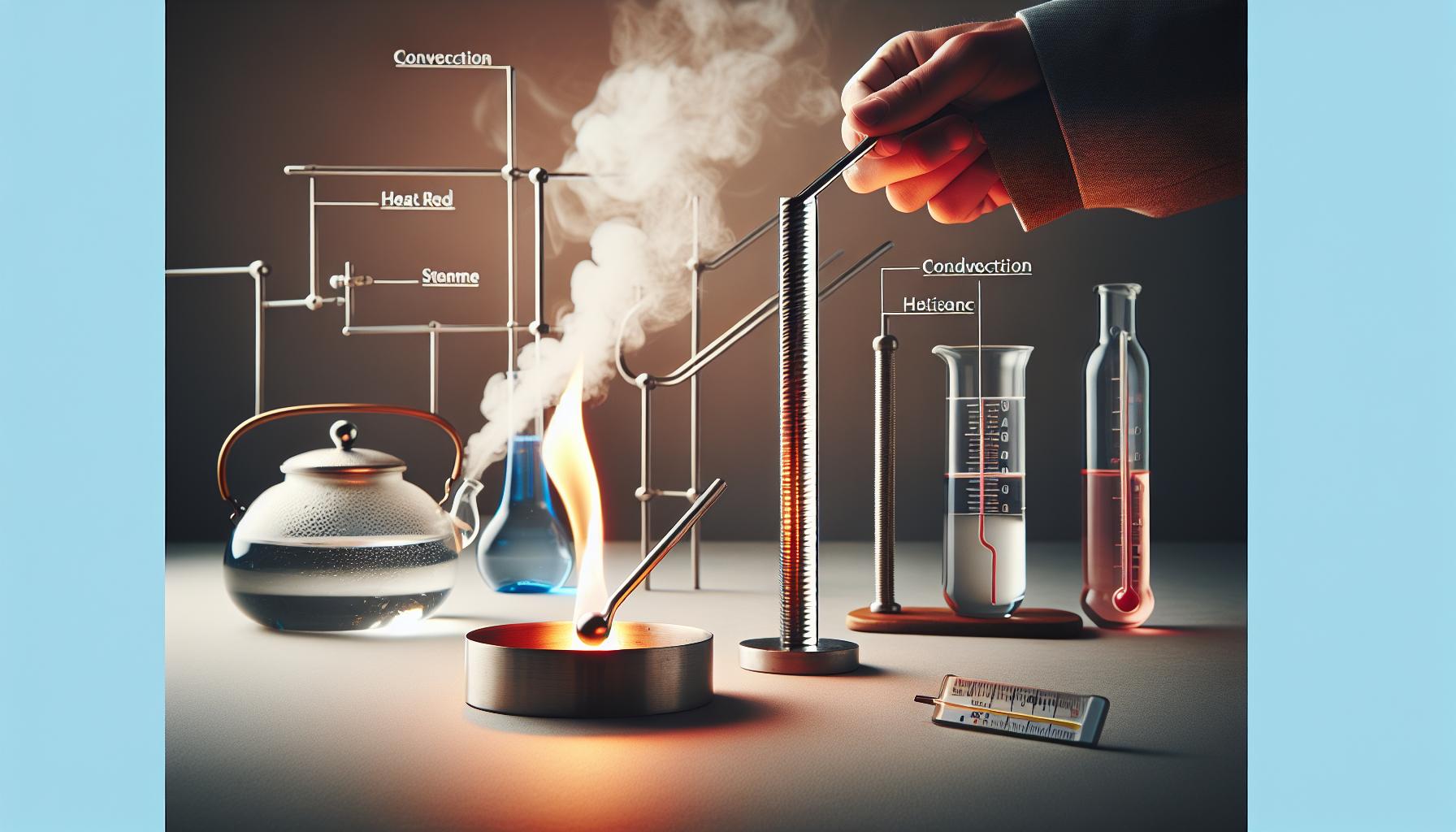
Key Concepts in Heat Transfer Fundamentals
Understanding heat transfer is essential in a variety of fields, from engineering to environmental science. A key principle is that heat naturally flows from areas of higher temperature to areas of lower temperature until equilibrium is reached. This fundamental concept underpins various modes of heat transfer: conduction, convection, and radiation. Each mode has distinct mechanisms by which energy is transferred, and grasping these can enhance your understanding of thermal management in practical applications.
Conduction
In conduction, heat transfer occurs through direct contact between materials. The efficiency of conduction depends on the material’s thermal conductivity-a measure of how well a material conducts heat. Metals, for instance, are generally excellent conductors, while insulating materials like rubber or glass wool minimize heat flow. Understanding Fourier’s law, which quantifies heat conduction, is vital for calculations involving heat loss in building materials or the efficiency of heat sinks in electronics.
Convection
Convection involves the movement of fluid (liquid or gas) and the transfer of heat within that fluid. There are two types: natural and forced convection. Natural convection occurs due to buoyancy effects-warmer fluid rises while cooler fluid sinks-whereas forced convection involves external forces, like fans or pumps, to enhance fluid movement. Understanding the principles behind convection can lead to more effective heating and cooling systems, such as HVAC designs that optimize air flow to improve comfort and energy efficiency.
Radiation
Radiation differs significantly from conduction and convection, as it involves the transfer of energy through electromagnetic waves-most notably infrared radiation. All objects emit thermal radiation depending on their temperature and emissivity. This principle is crucial in applications like thermal imaging and in designing energy-efficient systems that leverage radiant barriers to minimize heat loss. Calculating radiative heat transfer usually involves Stefan-Boltzmann’s law, which describes how the amount of radiation emitted by an object varies significantly with temperature.
Mastering these key concepts sets the foundation for deeper exploration into applications like heat exchangers, thermal storage systems, and advanced materials designed for specialized heat transfer tasks. Each area provides ample opportunity to apply the fundamental principles in creative ways, allowing for innovation and improvement in various industrial processes and technologies. By cultivating a robust understanding of these basic mechanisms, readers can better approach complex problems in heat transfer engineering and research.
Essential Equations and Their Applications
Understanding the essential equations related to heat transfer is crucial for anyone looking to master the subject. These equations not only form the theoretical backbone of heat transfer but also provide practical insights that professionals apply in various engineering and scientific contexts. By delving into these formulas, you can better predict and analyze thermal behavior in real-world applications, leading to more efficient and innovative designs.
One of the fundamental equations in heat transfer is Fourier’s Law of Conduction, which states:
[ q = -k frac{dT}{dx} ]
Here, ( q ) represents the heat transfer rate (W), ( k ) is the thermal conductivity of the material (W/m·K), and ( frac{dT}{dx} ) is the temperature gradient (K/m). This equation illustrates how heat flows through a material due to a temperature difference. Understanding Fourier’s law allows engineers to calculate heat loss in buildings and design effective insulation systems.
In convection, the heat transfer rate can be described by Newton’s Law of Cooling:
[ Q = hA(Ts – Tinfty) ]
Where ( Q ) is the heat transfer rate (W), ( h ) is the convective heat transfer coefficient (W/m²·K), ( A ) is the surface area of the object (m²), ( Ts ) is the surface temperature (K), and ( Tinfty ) is the fluid temperature (K). This equation is essential for applications such as HVAC system design, where understanding the efficiency of heat exchange with air or water is critical for temperature control.
Radiation heat transfer can be quantified using Stefan-Boltzmann Law, expressed as:
[ Q = epsilon sigma A (T^4 – T{sur}^4) ]
In this equation, ( epsilon ) is the emissivity of the surface (a dimensionless value between 0 and 1), ( sigma ) is the Stefan-Boltzmann constant (approximately ( 5.67 times 10^{-8} , W/m^2·K^4 )), ( A ) is the area of the surface (m²), ( T ) is the absolute temperature of the emitting surface (K), and ( T{sur} ) is the temperature of the surroundings (K). This law is particularly significant in fields like astrophysics and designing thermal control systems in spacecraft, where accurate temperature management is paramount.
These equations form the core principles of heat transfer and can be applied to a wide range of scenarios-from developing energy-efficient buildings to advancing aerospace technology. By leveraging these essential equations, students and professionals alike can enhance their understanding of thermal dynamics and apply this knowledge to solve practical engineering problems effectively.
Understanding Conduction, Convection, and Radiation
Heating a coffee cup in your microwave or feeling the warmth of a radiator on a cold day demonstrates fundamental principles of heat transfer at work. Heat transfer occurs in three primary mechanisms: conduction, convection, and radiation. Each mechanism operates under unique principles and conditions, and understanding these concepts is essential for mastering heat transfer applications in various settings, from household appliances to large-scale industrial processes.
Conduction
Conduction is the process of heat transfer through solid materials by direct contact of molecules. When one part of a substance is heated, the molecules move more vigorously and collide with adjacent, colder molecules, transferring energy. This occurs within materials such as metals, where conductive properties are often high due to tightly packed atoms facilitating energy transfer. A classic example is using a metal spoon to stir a hot pot; the heat quickly moves from the hot water to the spoon’s other end through molecular interactions. The rate of heat transfer in conduction can be quantified using Fourier’s Law:
[ q = -k frac{dT}{dx} ]
Here, ( q ) signifies the heat transfer rate, ( k ) is the thermal conductivity, and ( frac{dT}{dx} ) represents the temperature gradient. This equation illustrates how material properties and temperature differences dictate heat flow, providing a basis for thermal insulation design in buildings.
Convection
Convection, on the other hand, occurs in fluids (liquids and gases) and involves the bulk movement of the fluid itself. When part of a fluid is heated, it becomes less dense and rises, while cooler, denser fluid sinks, creating a circulation pattern that transfers heat throughout the fluid. This mechanism is crucial in applications like heating water in a pot or the operation of radiators. The convective heat transfer can be described by Newton’s Law of Cooling:
[ Q = hA(T_s – T_infty) ]
In this equation, ( Q ) represents the heat transferred, ( h ) is the convective heat transfer coefficient, ( A ) is the surface area, ( T_s ) is the surface temperature, and ( T_infty ) is the fluid temperature. Understanding this relationship helps engineers design efficient heating systems, such as HVAC units, where optimizing airflow and heat exchange is vital for energy efficiency.
Radiation
Lastly, radiation is the transfer of heat in the form of electromagnetic waves, primarily occurring in a vacuum or through transparent mediums. Unlike conduction and convection, radiation does not require a medium, allowing the sun’s energy to reach Earth across the vacuum of space. The amount of heat radiated by an object can be modeled using the Stefan-Boltzmann Law:
[ Q = epsilon sigma A (T^4 – T_{sur}^4) ]
In this formula, ( epsilon ) represents the emissivity, ( sigma ) is the Stefan-Boltzmann constant, ( A ) is the radiating surface area, and ( T ) and ( T_{sur} ) are the absolute temperatures of the surface and surroundings, respectively. Applications of radiative heat transfer are prevalent in thermal management systems for spacecraft and various technologies, where controlling temperatures is crucial for performance and safety.
Understanding the distinctions and applications of conduction, convection, and radiation is vital for anyone involved in the study or application of heat transfer principles. Each mechanism has unique characteristics and governing equations that guide engineers and scientists in designing systems for efficient thermal management, whether it’s insulating homes or designing advanced thermal control systems for satellites.
Comprehensive Guide to Heat Transfer Modes
In understanding heat transfer, we unlock a world of practical applications that span from fundamental cooking techniques to advanced engineering systems. The three primary modes of heat transfer-conduction, convection, and radiation-each play a vital role and are foundational to fields as diverse as thermal management in electronics, HVAC design, and even astrophysics. Grasping these principles not only helps in theoretical studies but also empowers students and professionals to innovate and solve real-world problems.
Conduction
Conduction is the transfer of heat through solid materials when molecules collide directly. This mode is highly dependent on the material’s properties, such as its thermal conductivity. Metals, for example, are excellent conductors due to their free electrons, which facilitate energy transfer. When using a metal spatula in a hot pan, for instance, the heat travels swiftly along the spatula, demonstrating conduction in action. The efficiency of conduction can be characterized by Fourier’s Law of heat conduction:
[ q = -k frac{dT}{dx} ]
where (q) is the heat flux, (k) is the thermal conductivity of the material, and (frac{dT}{dx}) is the temperature gradient. Understanding how to apply this equation allows engineers to design better insulation materials and heating systems, ensuring efficient energy use.
Convection
Convection differs significantly from conduction and occurs in fluids, encompassing both liquids and gases. When a fluid is heated, it becomes less dense and rises, while cooler fluid sinks, creating a convective current. This is the principle behind the warm air rising from a radiator or the boiling of water in a pot. The heat transfer in convection can be expressed using Newton’s Law of Cooling:
[ Q = hA(T_s – T_infty) ]
In this formula, (Q) is the total heat transfer, (h) is the convective heat transfer coefficient, (A) is the surface area, (T_s) is the surface temperature, and (T_infty) is the temperature of the surrounding fluid. By understanding these principles, engineers can optimize systems such as HVAC applications, where controlling airflow and temperature gradients is essential for energy efficiency.
Radiation
Radiation stands apart as it involves the transfer of heat through electromagnetic waves and does not require a medium. This is how the heat from the sun travels through the vacuum of space to warm our planet. The amount of heat radiated by an object can be calculated using the Stefan-Boltzmann Law:
[ Q = epsilon sigma A (T^4 – T_{sur}^4) ]
Here, (epsilon) represents the emissivity of the surface, (sigma) is the Stefan-Boltzmann constant, (A) is the surface area, while (T) and (T_{sur}) are the absolute temperatures of the object and its surroundings, respectively. Mastering this concept is key in applications like satellite thermal control, where managing heat through radiation is critical for performance.
Understanding these three modes of heat transfer equips students and professionals with the knowledge needed to effectively analyze and design systems that manage thermal energy. With practical applications ranging from domestic cooking to complex industrial processes, a firm grasp on these principles not only enhances academic performance but also fosters critical thinking and innovative solutions in engineering practice. Each heat transfer mode offers unique insights and tools that are indispensable in our increasingly technology-driven world.
Importance of Heat Exchangers in Engineering
Heat exchangers are pivotal components in numerous engineering systems, playing a critical role in the efficient transfer of heat from one medium to another. From power generation and HVAC systems to food processing and chemical manufacturing, their importance cannot be overstated. Understanding how heat exchangers work not only enhances your foundational knowledge of thermal systems but also equips you with the ability to design and optimize these crucial components effectively.
At their core, heat exchangers operate on the principle of heat transfer, leveraging conduction and convection to achieve thermal efficiency. In a typical design, hot and cold fluids are separated by a solid barrier, allowing heat to flow from the hotter medium to the cooler one without mixing. For instance, in a car radiator, hot engine coolant flows through pipes where it dissipates heat to the airflow passing over the radiator fins, thus cooling the fluid before it returns to the engine. This process is not only vital for maintaining optimal engine temperature but also enhances fuel efficiency and longevity of the engine components.
Types of Heat Exchangers
Understanding the various types of heat exchangers is key for choosing the right one for a specific application. Some of the most common types include:
- Shell and Tube Heat Exchanger: Consists of a series of tubes, where one fluid runs through the tubes and another fluid flows around them within a shell. They are widely used in industries like oil refining.
- Plate Heat Exchanger: Comprises thin, corrugated plates stacked together. These are efficient for smaller applications and are used in heating and refrigeration systems.
- Air Cooled Heat Exchanger: Uses air to remove heat from the process fluid, eliminating the need for a cooling water source-ideal in arid environments.
The choice between these designs often depends on factors such as space constraints, maintenance requirements, and thermal performance goals. For example, while shell and tube heat exchangers can handle large heat loads, plate heat exchangers typically offer a smaller footprint and can handle smaller heat loads with greater efficiency.
Efficiency and Performance Analysis
A heat exchanger’s efficiency is commonly expressed through the log mean temperature difference (LMTD) method or the effectiveness-NTU method. These analytical approaches allow engineers to calculate performance accurately and make informed decisions on design modifications. The formula for LMTD is:
[ Delta T_{lm} = frac{Delta T_1 – Delta T_2}{lnleft(frac{Delta T_1}{Delta T_2}right)} ]
where (Delta T_1) and (Delta T_2) are the temperature differences at both ends of the heat exchanger. Monitoring performance indicators such as pressure drop and heat transfer coefficients is essential, allowing engineers to troubleshoot common problems such as fouling, which can significantly diminish efficiency.
In conclusion, heat exchangers are essential for the effective management of thermal energy in diverse applications. Their design, selection, and performance optimization are not just academic exercises-they are critical skill sets for any engineer involved in thermal system optimization. By mastering these concepts, students and professionals alike can contribute to developing advanced energy systems that are more efficient and sustainable.
Troubleshooting Common Heat Transfer Problems
Identifying and resolving heat transfer issues is crucial for the efficiency of thermal systems. Whether you’re troubleshooting a malfunctioning heat exchanger or optimizing a HVAC system, understanding common problems can streamline your approach. Many engineers encounter challenges such as diminished performance, unexpected temperature fluctuations, or excessive energy consumption. By paying attention to systematic signs and applying basic troubleshooting steps, you can often pinpoint the root cause and implement effective solutions.
One prevalent issue is fouling, which occurs when unwanted materials accumulate on heat transfer surfaces, significantly reducing efficiency. For instance, in cooling towers or heat exchangers, biological growth, mineral deposits, or particulate matter can hinder heat transfer. To combat fouling, regular maintenance schedules should be established, including cleaning protocols and monitoring fluid properties. Implementing proper filtration can also prevent particulate matter from entering the system, thereby prolonging efficiency and effectiveness.
Another common problem involves insufficient heat transfer due to inadequate flow rates or improper design parameters. If a heat exchanger is not transferring enough heat, it may result from either a mismatched flow rate or poorly selected materials that do not facilitate optimal heat exchange. To address this, analyze the system’s design against actual performance metrics. Adjusting flow rates may sometimes remedy the situation, as can recalibrating or replacing the heat exchanger to fit performance specifications. Using thermal analysis software can also help visualize flow patterns and temperature gradients for more insightful diagnostics.
Pressure drops can also signal a problem in heat transfer systems, often arising from blocked lines or elevated friction losses. A significant pressure drop can lead to inefficient fluid movement and heat exchange. Performing a flow analysis can reveal whether components are functioning within expected parameters. If present, removing blockages or resizing pipes can enhance system performance.
The key to effective troubleshooting lies in comprehensive monitoring and analysis of performance data. By leveraging tools such as thermal imaging cameras or flow meters, you can better understand system operations and detect anomalies sooner. Regular performance reviews and maintenance checks not only avert major failures but also enhance longevity and sustainability, ultimately leading to significant cost savings and improved operational efficiency.
Real-World Applications of Heat Transfer Principles
In the world of engineering and technology, the principles of heat transfer govern countless applications that impact our daily lives and industrial processes. From the comfort of climate-controlled environments to the efficiency of power generation, understanding how heat moves is crucial for innovation and improvement. Whether you’re a student learning the basics or a professional seeking to apply theory to practice, recognizing these real-world applications can deepen your understanding of heat transfer.
One can find heat transfer principles at play in the operation of heat exchangers, devices that facilitate the transfer of heat between two or more fluids. Commonly used in industries like chemical processing, power generation, and HVAC systems, heat exchangers maximize energy efficiency by recovering and reusing heat. For instance, in a power plant, a heat exchanger can transfer waste heat from exhaust gases to incoming water, preheating it before it enters the boiler. This not only enhances the overall efficiency but also significantly reduces fuel consumption. Continuous advances in heat exchanger technology, such as enhanced surface geometries and materials, further optimize performance.
In the realm of consumer electronics, effective thermal management is crucial. Devices like smartphones and laptops generate heat, which must be dissipated to maintain optimal operating conditions. Engineers utilize conduction, convection, and radiation principles to design cooling systems, incorporating components like heat sinks and fans. For example, in laptops, heat is conducted away from the CPU through copper heat pipes that efficiently transfer thermal energy to the exterior aluminum casing, where it can be dissipated into the air via convection. This interplay ensures that devices remain functional and prolongs their lifespan, highlighting the importance of heat transfer in everyday technology.
The significance of heat transfer is also evident in food processing. Cooking techniques such as grilling, boiling, and baking rely heavily on the transfer of heat to transform raw ingredients into delicious meals. Understanding the modes of heat transfer can help chefs and food technologists optimize cooking times and temperatures, ensuring food safety and enhancing flavor. For instance, in sous-vide cooking, precise control of water temperature through conduction ensures that food is cooked evenly, preserving moisture and flavor-proof that heat transfer is as much a science as it is an art.
Overall, whether it’s in large-scale energy systems or the daily operations of consumer gadgets, heat transfer principles are foundational to improving efficiency, sustainability, and performance across a wide array of applications. Recognizing and applying these concepts can lead to significant advancements in both industrial and personal contexts.
Designing Effective Heat Transfer Systems
In the pursuit of , engineers must balance efficiency, safety, and cost-effectiveness. The key to successful thermal management lies in understanding the underlying principles of heat transfer: conduction, convection, and radiation. By leveraging these principles, one can create a system that optimally transfers thermal energy, whether for industrial applications, residential HVAC systems, or electronics cooling.
A robust design process begins with defining the system’s operational requirements. This includes identifying the heat source, the intended heat transfer medium, and the environmental conditions. For instance, when designing a heat exchanger, it’s crucial to select the appropriate materials that maximize thermal conductivity while minimizing fouling and corrosion. Typically, metals like copper or aluminum are favored due to their excellent thermal properties. Additionally, the configuration of the heat exchanger-such as shell-and-tube versus plate types-will significantly influence the efficiency of heat transfer. The choice should be guided by factors like pressure and temperature conditions and space constraints.
Optimizing Heat Transfer Rates
To enhance heat transfer rates, engineers can apply several strategies:
- Surface Area Increase: Increasing the contact area between the heat exchange surfaces can significantly enhance the rate of heat transfer. This can be achieved through the use of fins or selecting designs that provide turbulence, enhancing fluid motion.
- Fluid Dynamics: Understanding the flow regimes of the fluids involved is essential. Selecting the right flow configuration (counterflow, parallel flow, or crossflow) can optimize thermal performance by allowing for a larger temperature gradient, thus improving heat transfer rates.
- Insulation: While not directly part of the heat transfer process, effective insulation reduces heat losses in thermal systems, ensuring that the maximum amount of energy is transferred as intended.
When troubleshooting common issues in heat transfer systems, consider factors such as thermal resistance at junctions, leaks in the system, or suboptimal flow paths. Regular maintenance and monitoring-such as thermographic evaluations-provide insights into unexpected losses and areas for improvement. Utilizing data analytics and simulation software can further enhance the design process by allowing iterative testing and refinements without the need for costly physical prototypes.
Ultimately, the art of lies in the integration of theoretical knowledge with practical application, ensuring reliability and performance that meet or exceed operational requirements. With evolving technologies and materials, engineers have more tools at their disposal to innovate and push the boundaries of thermal management systems.
Utilizing Simulation Software for Heat Transfer Analysis
In the quest to master heat transfer principles, simulation software has emerged as an indispensable tool for engineers and students alike. By leveraging advanced computational models, users can explore complex thermal scenarios without the prohibitive costs and time associated with physical prototyping. This capability not only enhances understanding of heat transfer mechanisms but also enables the design of more efficient thermal systems across various applications.
Simulation software typically offers modules for different heat transfer modes: conduction, convection, and radiation. For instance, the Heat Transfer Module in COMSOL Multiphysics® allows users to create sophisticated models incorporating interactions between these modes. This means you can simulate a heat exchanger’s performance under various operating conditions, analyze the impacts of material selection, and predict temperature distributions across surfaces. Such detailed insights are vital for optimizing design and ensuring compliance with performance criteria.
Benefits of Using Simulation for Heat Transfer Analysis
The advantages of simulation software extend beyond mere visualization. Here are some critical benefits:
- Iterative Design Testing: Users can conduct multiple iterations quickly, refining designs based on immediate feedback. For example, altering the geometry or material of a heat sink and observing thermal performance changes in real-time allows for rapid prototyping.
- Enhanced Accuracy: Sophisticated algorithms account for complex boundary conditions and variable properties, leading to more accurate predictions of heat transfer within systems. This precision minimizes errors in practical applications.
- Comprehensive Analysis: Advanced tools can incorporate environmental factors, such as humidity or air velocity, affecting thermal performance. This holistic approach means engineers can design systems that perform reliably in real-world conditions.
As you delve into using simulation software, focus on mastering essential features such as meshing, boundary condition application, and result interpretation. Don’t hesitate to explore the wealth of tutorials and resources provided within these platforms. Continuous learning and practice will enhance your proficiency in setting up simulations, allowing for deeper analysis and understanding of heat transfer phenomena, ultimately bridging the gap between theoretical knowledge and practical application.
Study Tips for Mastering Heat Transfer Concepts
Mastering heat transfer concepts can often feel daunting, yet the journey becomes significantly more manageable when you adopt a strategic approach to your studying. One powerful technique is to integrate real-world examples into your learning. For instance, consider how thermal insulation works in everyday products, like a thermos or your home’s walls. By relating theoretical principles to practical applications, you can enhance retention and deepen your understanding of concepts such as thermal resistance and conduction.
To solidify your grasp of heat transfer equations, practice problems are essential. Start with fundamental equations for conduction, convection, and radiation, ensuring you understand not only how to apply them but also where they originate from. Solving diverse problems allows you to see the equations in action and understand their practical implications. Consider setting up a study group where peers can challenge each other’s reasoning about results. This collaborative approach not only reinforces your understanding but also highlights different perspectives on complex problems.
Another key aspect is to leverage visualization. Diagrams, flow charts, and graphs can be invaluable tools in understanding heat transfer mechanisms. For instance, sketching out a temperature profile across a heat exchanger can clarify how heat is transferred through different materials. Tools like simulation software, as mentioned previously, can also provide dynamic visualizations of thermal processes, allowing you to see how variations in parameters affect outcomes.
Incorporating these strategies-connecting theory to practice, emphasizing problem-solving, and utilizing visual aids-creates a comprehensive learning experience. Remember, studying heat transfer isn’t just about memorizing equations; it’s about understanding how thermal energy behaves in a variety of environments. Embrace this challenge with creativity and curiosity, and you’ll find yourself not only mastering the concepts but also applying them effectively in your academic and professional endeavors.
Exploring Advanced Topics in Heat Transfer
Delving into advanced topics in heat transfer reveals a landscape rich with innovative concepts and practical applications. One fascinating area is nanotechnology in heat transfer, which explores how materials at the nanoscale can enhance thermal conductivity. For instance, graphene and carbon nanotubes exhibit exceptional thermal properties, making them ideal candidates for applications in aerospace, electronics cooling, and energy systems. By leveraging these materials, engineers can design devices that dissipate heat more efficiently, significantly improving system performance and longevity.
Another exciting field involves phase change materials (PCMs), which absorb or release latent heat when they change phases, such as from solid to liquid. These materials are increasingly used in thermal energy storage applications, allowing for better management of energy consumption and enhancing efficiency in buildings and industrial processes. For example, integrating PCMs into the walls of buildings can help regulate indoor temperatures by absorbing heat during the day and releasing it at night, reducing the need for active heating and cooling systems.
Advanced simulation techniques are also pivotal for analyzing complex heat transfer phenomena. Computational fluid dynamics (CFD) and finite element analysis (FEA) provide powerful tools to model heat transfer in intricate systems, helping engineers predict thermal behavior under various conditions. This predictive capability is essential for industries ranging from automotive design to HVAC engineering, enabling the optimization of systems before physical prototypes are built.
As you explore these advanced topics, consider the broader implications of heat transfer in the context of sustainability. The push for greener technologies has sparked interest in optimizing thermal systems to reduce energy consumption and minimize environmental impact. By understanding these advanced principles, you can contribute to innovative solutions that align with global efforts toward sustainability and energy efficiency. Through a blend of theory, practical applications, and emerging technologies, the field of heat transfer continues to evolve, offering exciting opportunities for research and innovation.
Resources for Further Learning and Research
Diving into the vast world of heat transfer can be overwhelming, but the right resources can transform your understanding and performance in this critical field of engineering. Various educational tools are tailored to enhance learning, helping students grasp complex concepts through practice and application. Among these resources, solution manuals stand out as invaluable guides that not only reinforce textbook knowledge but clarify difficult problems, making them easier to tackle.
To effectively utilize these resources, consider the following approaches:
- Supplementary Textbooks: Many heat transfer textbooks, such as “Fundamentals of Heat and Mass Transfer” by Frank P. Incropera and David P. DeWitt, come with solution manuals. These manuals offer step-by-step solutions to the end-of-chapter problems, helping you understand the methodology behind each solution.
- Online Learning Platforms: Websites like LearnChemE provide screencasts and quizzes focused on heat transfer concepts. Such interactive tools allow you to visualize heat transfer processes and engage with the material dynamically.
- Engineering Forums and Communities: Engaging with communities on platforms like Reddit can provide insights and tips from fellow students and professionals. Users often share their experiences with specific textbooks and manuals, offering recommendations that can save you time and enhance your study methods.
- Simulation Software: Programs like ANSYS Fluent or COMSOL Multiphysics can bridge theoretical knowledge and practical application. They allow you to model heat transfer scenarios, giving you a profound insight into thermal behavior in various systems.
Engaging with a mix of these resources not only solidifies conceptual knowledge but also equips you with problem-solving skills crucial for engineering practice. Regularly practicing with solutions and utilizing advanced tools will prepare you for real-world applications, enhancing your overall competence in the field. Whether you’re preparing for exams or tackling project engineering challenges, these resources are essential for mastering heat transfer principles.
Q&A
Q: What is the purpose of a Heat Transfer Textbook Solution Manual?
A: A Heat Transfer Textbook Solution Manual provides detailed solutions to textbook problems, helping students understand complex concepts in heat transfer. It acts as a guide for self-study, offering step-by-step explanations that reinforce learning and problem-solving skills in applications like conduction, convection, and radiation.
Q: How can I effectively use a Heat Transfer Solution Manual for exam preparation?
A: To use a Heat Transfer Solution Manual effectively, start by reviewing the manual alongside the textbook. Focus on solving problems, comparing your answers, and identifying areas needing improvement. Practice consistently, and apply concepts to real-world scenarios to enhance your understanding before exams.
Q: Are solution manuals helpful for understanding advanced heat transfer topics?
A: Yes, solution manuals are very helpful for grasping advanced topics in heat transfer. They break down complex problems into manageable steps, providing insight into advanced equations and applications, which are essential for mastering subjects such as heat exchangers and phase change processes.
Q: Where can I find additional resources for heat transfer studies besides the solution manual?
A: Additional resources include online courses, educational websites like Khan Academy, and academic journals. Tools like simulation software also enhance practical understanding. For more structured study, consider sections like “Resources for Further Learning and Research” from your textbook to explore supplementary materials and tools.
Q: What are common mistakes students make when using a Heat Transfer Solution Manual?
A: Common mistakes include over-relying on the manual instead of engaging with the material, neglecting to practice problems independently, and not reviewing errors. Students should use the manual as a supplementary tool rather than a crutch to ensure a proper understanding of heat transfer concepts.
Q: How do I choose the right Heat Transfer Textbook for my studies?
A: Selecting the right Heat Transfer Textbook involves assessing your course syllabus, reading reviews, and looking for clear explanations of key concepts. Check if the book includes example problems and a solution manual, as these features greatly enhance your learning experience.
Q: Can heat transfer simulation software improve my understanding of the subject?
A: Absolutely! Heat transfer simulation software provides a visual understanding of concepts by allowing you to model and analyze different scenarios. This hands-on experience reinforces theoretical knowledge from textbooks and solution manuals, facilitating deeper comprehension of heat transfer principles.
Q: How do real-world applications enhance learning in heat transfer studies?
A: Real-world applications illustrate the practical relevance of heat transfer concepts. By linking theory to industry practices, such as HVAC design or thermal management in electronics, students can better appreciate the importance and application of heat transfer principles, enhancing their engagement and understanding.
In Summary
Unlock your potential in mastering heat transfer with “A Heat Transfer Textbook Solution Manual: Student’s Guide.” This resource is designed not just to complement your learning but to elevate it, offering clear explanations and practical applications that demystify complex principles. Don’t miss out on the opportunity to enhance your understanding-start applying these solutions today to excel in your coursework and future career.
For further insights, explore our related content on effective heat transfer techniques and innovative applications in engineering. Have questions or insights? We encourage you to leave a comment below or join our community discussions. If you’re ready to advance your studies even more, consider signing up for our newsletter for the latest updates and exclusive resources tailored for aspiring engineers. Start your journey towards expertise now-your future in heat transfer excellence awaits!
Get our latest guides, news, and insights highlighted in your Google Search & AI Overviews.