In the rapidly evolving realm of Extended Reality (XR), the importance of precise eye tracking calibration cannot be overstated. It serves as the cornerstone for creating immersive and intuitive human-computer interactions (HCI). By understanding how to effectively calibrate eye tracking systems, researchers and developers can significantly enhance user experiences, leading to more engaging applications in gaming, training simulations, and virtual collaborations.
As XR technology becomes increasingly integrated into our daily lives, the challenges of accurate eye tracking present both obstacles and opportunities. Ensuring users can interact seamlessly with virtual environments hinges on reliable calibration techniques. Whether you’re an HCI researcher, a developer, or a student, the insights gained from mastering these methods will empower you to elevate your projects and contribute to the advancement of immersive technology. Join us as we explore the innovative calibration methods driving the future of XR and discover how you can apply these concepts to your own work, ensuring that your applications are not only functional but truly transformative.
Spatial Eye Tracking Principles in XR HCI
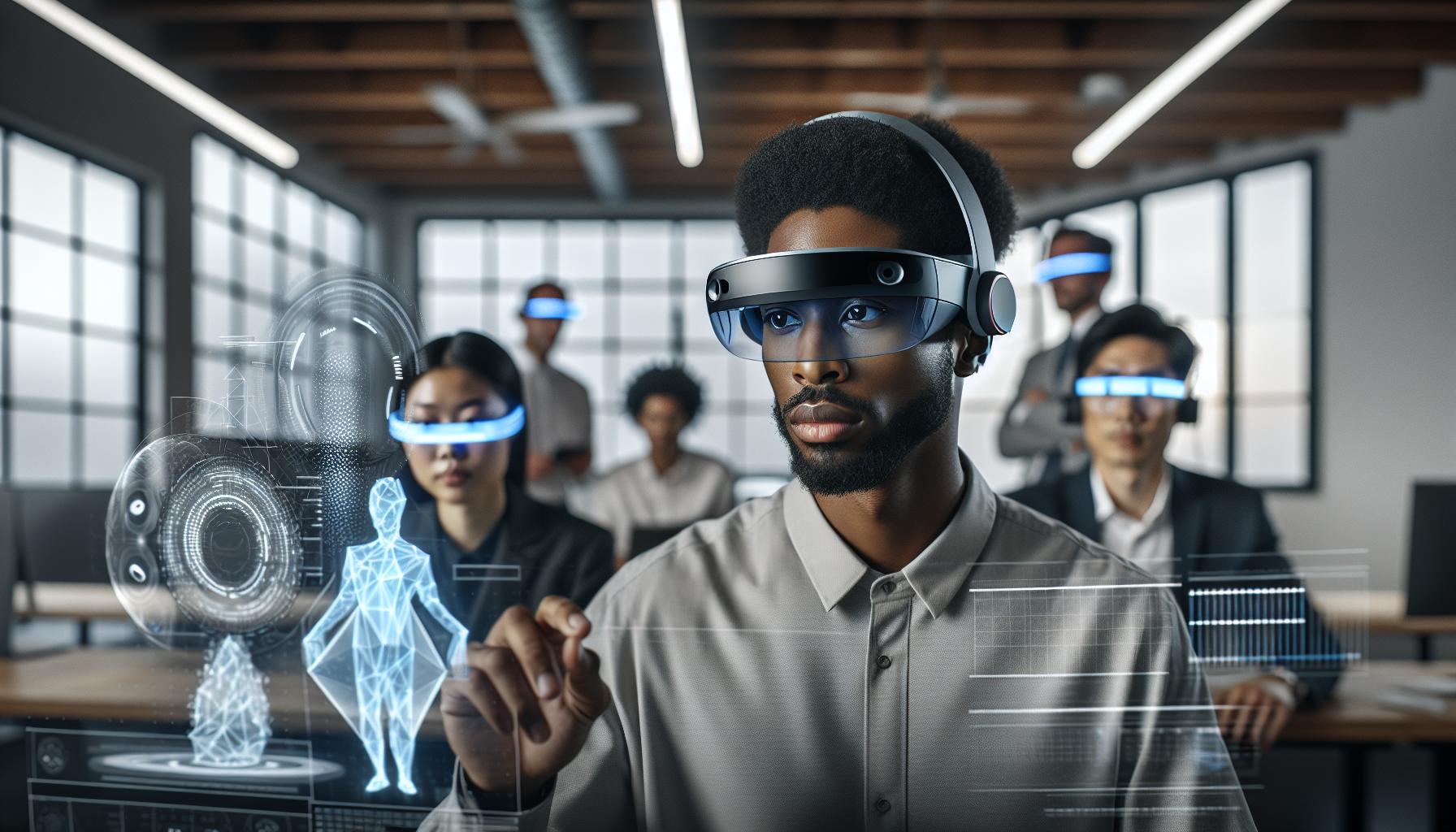
In the rapidly evolving landscape of XR (Extended Reality), the significance of eye tracking cannot be overstated. It serves as a critical interface between users and immersive environments, enabling developers to create more engaging and responsive experiences. Eye tracking in XR not only enhances user interaction but also provides insightful data on user behavior and preferences. As VR and AR environments become more complex, the principles underlying spatial eye tracking become essential for effective human-computer interaction (HCI).
A foundational concept in spatial eye tracking is the ability to accurately determine where a user is looking within a 3D space. This involves translating gaze coordinates onto the virtual environment, which requires an understanding of both the user’s eye movement mechanics and the spatial layout of the elements within the XR experience. The calibration of eye tracking systems is crucial here; it ensures that movements are translated accurately, allowing users to engage naturally with their surroundings. Various calibration techniques exist, such as static calibration, where users are asked to look at predefined points, and dynamic calibration, which adjusts in real-time as users interact with the environment.
Despite advancements, significant challenges persist in achieving optimal performance in spatial eye tracking. Factors like head movement, lighting conditions, and individual differences in eye physiology can impact accuracy and reliability. For instance, a user with distinctive eye characteristics might require tailored calibration processes to ensure equally effective tracking. Therefore, understanding common pitfalls and addressing them during the design and calibration phases is essential to create fluid and immersive user experiences.
To maximize the benefits of spatial eye tracking, developers and researchers must prioritize user-centric design principles. The primary goal should be to develop intuitive interfaces that feel seamless and natural to the user. This involves iterative testing and refinement of both the tracking technologies and the overall user experience. By focusing on these principles, future advancements in eye tracking can lead to more sophisticated and impactful XR applications, from gaming and social interactions to medical training and beyond.
Understanding Calibration Techniques for Eye Tracking

In the realm of spatial eye tracking, calibration techniques are the backbone that ensures the accuracy and reliability of gaze detection within XR environments. Calibration is essential because it translates the gaze direction of the user into actionable data that XR applications can utilize. A well-calibrated eye tracking system provides a natural interaction experience, allowing users to engage seamlessly with virtual elements. Understanding these techniques not only helps in refining the technology but also in addressing common challenges that arise during implementation.
One widely used method in eye tracking calibration is static calibration, where users are prompted to look at specific points on the screen. Typically, this involves a series of target points that guide the user through the calibration process. For instance, a user might be instructed to focus on several marked spots in a rectangular grid, allowing the system to calculate the relationship between eye movements and the projected coordinates. Alternatively, dynamic calibration captures the user’s gaze in real-time as they interact with the virtual environment, continuously adjusting the calibration based on the observed interactions. This method is beneficial in mobile XR applications where users frequently shift their focus and position.
The effectiveness of these techniques hinges on various factors. For example, user-specific characteristics such as eye physiology or ambient lighting can significantly impact calibration outcomes. To achieve optimal performance, developers must personalize the calibration experience, potentially employing adaptive algorithms that learn from each user’s interactions. Additionally, incorporating feedback mechanisms can bolster the accuracy of calibration; for example, prompting users to confirm gaze targets can help fine-tune tracking precision.
For practitioners looking to implement these calibration methods, it’s advisable to run iterative tests and optimize the environment. This can involve setting lighting conditions that mimic typical usage scenarios or conducting user studies to refine the calibration protocol. By prioritizing a user-centered approach to calibration, developers can ensure that the tracking systems are not only accurate but responsive to the diverse needs and behaviors of their audience. Embracing these calibration techniques is a crucial step toward enhancing user experience and unlocking the full potential of eye tracking technologies in XR.
Challenges in Spatial Eye Tracking Calibration
Accurate calibration of eye tracking systems in XR environments presents a distinct set of challenges that can affect overall performance and user experience. From user variability to technical limitations, these obstacles require careful consideration and innovative solutions. Notably, one of the primary challenges stems from user-specific factors, such as differences in eye anatomy, conditions like strabismus, and variations in pupil size. These physical attributes can lead to discrepancies in gaze detection, making it crucial for calibration methods to adapt effectively to diverse user profiles.
Another significant hurdle is the influence of environmental conditions, particularly lighting. Eye tracking sensors often perform optimally under consistent lighting, yet real-world settings can vary greatly. For example, glare from sunlight or poor interior lighting can disrupt the tracking accuracy. Developers must create calibration procedures that account for these variations, perhaps by implementing dynamic adjustments during actual use instead of relying solely on initial calibration settings.
Moreover, the complexity of calibration processes themselves can deter user engagement. Lengthy and cumbersome calibration procedures may lead to frustration, resulting in users skipping necessary steps that affect the accuracy of gaze detection. To mitigate this, it is essential to design streamlined calibration processes that are intuitive and user-friendly. For instance, incorporating visual or auditory feedback during the calibration can guide users more effectively and enhance their experience.
Finally, there’s the challenge of maintaining performance across different devices and applications. As XR technologies evolve, ensuring a consistent calibration approach that is both efficient and accurate across various platforms can be daunting. This calls for ongoing research and collaborative efforts among developers to align methods and standards, promoting interoperability across eye tracking technologies. By addressing these multifaceted challenges, the field of spatial eye tracking can advance significantly, paving the way for more nuanced and impactful user interactions in XR environments.
Best Practices for Accurate Calibration in XR
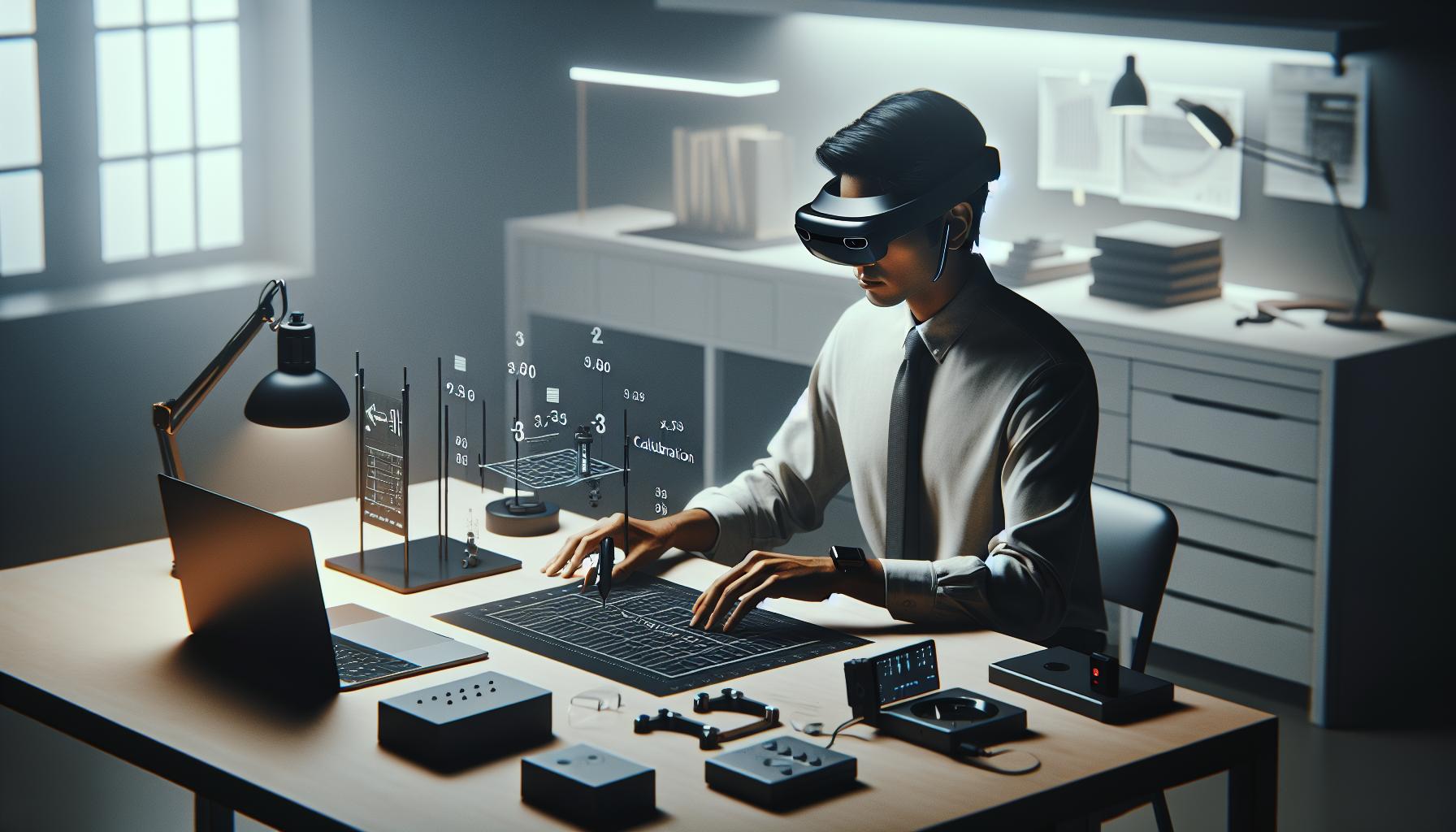
Engaging users in an XR environment requires more than just cutting-edge technology; it hinges on the accurate calibration of eye tracking systems, which shapes the very foundation of user interaction. When we talk about best practices for calibration in these immersive settings, we are discussing strategies that help bridge the gap between technology and user experience. Here are essential practices that enhance the reliability and accuracy of eye tracking systems in XR.
Streamlined Calibration Processes
A fundamental aspect of effective calibration is the design of streamlined processes. Lengthy and tedious calibration can lead to user frustration and abandonment of necessary setup steps. Instead, implement intuitive calibration systems that leverage engaging feedback mechanisms. For instance, interactive tutorials or real-time feedback during calibration can keep users informed and alleviate anxiety. This might include visual prompts indicating successful calibration milestones or auditory cues that signal errors or adjustments.
Adaptive Calibration Techniques
Given the variability among users-such as differences in eye structure, visual acuity, and even cultural backgrounds-adaptive calibration techniques are vital. Utilize algorithms that can learn and adjust to individual user profiles. For instance, machine learning approaches can analyze initial calibration attempts and iterate on the calibration model based on real-time data. This not only personalizes the experience but can also significantly enhance tracking accuracy across diverse user groups.
Environmental Considerations
Calibration doesn’t occur in a vacuum. External factors like lighting conditions can dramatically affect the performance of eye tracking systems. To address this, incorporate dynamic calibration processes that adjust in real time based on environmental cues. For example, implementing a short calibration routine that monitors ambient light conditions and adjusts sensitivity accordingly can help maintain optimal performance whether users are indoors or outdoors.
Regular Calibration Maintenance
Finally, emphasize the importance of regular calibration maintenance. Eye tracking systems can drift over time due to environmental changes or user behavior patterns. Establish protocols for periodic recalibration, which can be integrated seamlessly into user sessions, ensuring the system adapts and continues to deliver precise gaze data. Automated reminders for recalibration can also help, keeping the system functioning optimally without requiring the user to actively recall this need.
By adopting these best practices, developers can significantly enhance the accuracy and user experience of eye tracking in XR environments, leading to more immersive and intuitive interactions. Focusing on user-friendly design, adaptability, environmental responsiveness, and regular maintenance creates a comprehensive approach to calibration that meets the demands of modern XR applications.
Evaluating Eye Tracking Performance Metrics
When it comes to creating engaging user experiences in extended reality (XR), the evaluation of eye tracking performance metrics is critical. Accurate eye tracking not only enhances the interactivity of XR environments but also helps in understanding user behavior and preferences. Therefore, robust metrics are needed to gauge how well these systems perform in real-world conditions. Some key performance metrics include accuracy, precision, latency, and robustness, each contributing to the overall effectiveness of eye tracking implementations.
Key Performance Metrics
Understanding and measuring various performance metrics can significantly influence the design and user experience in XR applications. A few essential metrics to consider are:
- Accuracy: This refers to how close the eye tracking data is to the actual gaze targets. High accuracy is essential for applications that rely on detailed visual interactions.
- Precision: Precision measures the consistency of eye tracking data within a given environment. A high precision level indicates that repeated measurements yield similar outcomes, making it easier for users to interact without confusion.
- Latency: The delay between the eye movement and the system’s response is crucial. Lower latency leads to a more seamless user experience, particularly in fast-paced XR environments.
- Robustness: This metric assesses the eye tracking system’s ability to function well under varying conditions, such as changes in lighting, user posture, and even the presence of obstructions.
Evaluating Performance in Real-World Scenarios
To ensure these metrics reflect real-world usability, it is essential to conduct rigorous testing involving diverse user groups and environmental settings. For example, a study comparing performance in both well-lit rooms and darker environments might uncover how lighting affects accuracy and robustness. Utilizing simulated tasks that mimic actual user interactions can also provide valuable insights; for instance, measuring how accurately participants can select items in a digital menu or interact with nearby objects in a virtual environment allows for direct correlations between eye tracking performance and user satisfaction.
Benchmarking and Continuous Improvement
Establishing baseline metrics through benchmarking exercises is an ideal approach for assessing the effectiveness of eye tracking systems. Companies can perform A/B testing with different calibration techniques to identify which methods yield the best results for accuracy and user experience. Additionally, gathering user feedback is invaluable; integrating qualitative data from users regarding their experiences can guide further adjustments to calibration processes, ultimately refining the eye tracking system for better performance.
In summary, is fundamental to optimizing XR interactions. By focusing on key metrics, conducting thorough evaluations in varied settings, and continuously seeking user feedback, developers can create eye tracking systems that not only meet but exceed user expectations, leading to more natural and immersive XR experiences.
Advanced Methods: Machine Learning in Calibration
In the rapidly evolving realm of eye tracking technology, machine learning (ML) is emerging as a game-changer for calibration processes. Traditional calibration methods rely heavily on user input and fixed algorithms, which often struggle to adapt to the diverse conditions and variabilities inherent in extended reality (XR) environments. Machine learning, on the other hand, offers the potential for adaptive and dynamic calibration processes that can enhance accuracy and user experience significantly.
One of the core advantages of integrating machine learning into calibration techniques is the ability to leverage large datasets for training. By collecting eye tracking data under various conditions-such as different lighting environments, user movements, and diverse user demographics-ML algorithms can identify patterns and trends that traditional methods overlook. For example, a supervised learning approach might involve training a model on labeled data, where the input features include environmental factors and the output is the user’s gaze point. This enables the system to better predict eye movements in real-time, facilitating immediate adjustments to tracking parameters and improving overall accuracy.
Practical Applications of Machine Learning in Calibration
There are several practical applications for using machine learning in eye tracking calibration:
- Personalization: Machine learning can create personalized calibration profiles based on individual user data. By analyzing feedback from previous interactions, systems can tailor calibration techniques to the specific needs of each user, adapting to their unique eye movement patterns and behaviors.
- Continuous Learning: Implementing online learning algorithms means that eye tracking systems won’t just be static; they will continually improve over time. For example, as a user interacts more with an XR environment, the system can adjust its calibration based on ongoing feedback, minimizing the need for repeated manual calibrations.
- Error Correction: ML can be effective in identifying and correcting errors in real-time. If a calibration session yields unexpected results, a machine learning model can quickly analyze the data and suggest corrective actions to align tracking accuracy with user movements.
Furthermore, deep learning techniques, utilizing neural networks, can also play a significant role in processing and interpreting complex eye movement data. These models can further enhance the predictive capabilities of eye tracking systems, allowing for more nuanced understanding of gaze behavior across various tasks and scenarios.
In summary, the implementation of machine learning in eye tracking calibration not only streamlines the calibration process but also opens avenues for creating more responsive and personalized XR experiences. As technology continues to advance, embracing these cutting-edge methods will be crucial for researchers and developers focused on delivering optimal eye tracking systems.
User-Centric Design in Eye Tracking Research
In the realm of eye tracking research, a user-centric design approach is not just beneficial; it’s essential. By prioritizing the needs, preferences, and behaviors of users, researchers can develop eye tracking systems that are more intuitive and effective, especially in immersive environments like extended reality (XR). This methodology emphasizes understanding users’ experiences and expectations, leading to enhancements in usability and performance of eye tracking applications.
A key element of user-centric design is the iterative process of gathering feedback directly from users. This feedback loop informs refinements in calibration methods and interface design, ultimately resulting in systems that are better tailored to real-world applications. For instance, when designing calibration settings, it can be beneficial to involve users from diverse backgrounds. This diversity ensures the system accommodates varying eye movement patterns and preferences, thus fostering an inclusive user experience. Similarly, leveraging user personas during the design phase can guide the development of features that meet different user needs, enhancing both accessibility and effectiveness.
Another critical aspect is the customization of calibration processes to align with users’ specific contexts of use. For example, a gaming application might require quick and reactive calibration methods that accommodate fast-paced actions, while a medical training program may benefit from a more thorough calibration approach that emphasizes precision. By analyzing eye tracking data in these varied environments, developers can create adaptable systems that automatically tailor calibration complexity and accuracy depending on the anticipated user interaction.
Moreover, integrating interactive tutorials and help features within the XR environment can significantly enhance user experience. By guiding users through calibration processes in a straightforward and engaging manner, systems can reduce frustration and improve overall accuracy in tracking. Simple, visual cues, perhaps augmented with VR elements, can offer real-time assistance and corrections during calibration, ensuring users feel supported throughout their interaction with the technology.
Ultimately, a user-centric design philosophy in eye tracking research not only aids in the immediate functionality of systems but also promotes long-term engagement as users recognize their investment in efficient and intuitive interfaces. This holistic approach is essential for pioneering advancements in XR applications and ensuring that eye tracking technology is both accessible and effective across diverse user populations.
Comparing Calibration Methods: Efficiency and Accuracy
In the evolving field of eye tracking within extended reality (XR), the efficiency and accuracy of calibration methods are paramount for delivering a seamless user experience. Calibration is critical because it directly influences how effectively a system can interpret eye movements and translate them into user interactions. In XR environments, where user engagement hinges on precise interactions, comparing various calibration methods becomes not just an academic exercise, but a necessity for practical application.
When evaluating calibration techniques, we can categorize them into two primary methods: static and dynamic calibration. Static calibration involves a fixed set of reference points (like gaze targets displayed on the screen) that users look at in a controlled environment. Although this method can yield high accuracy, it often requires longer setup times, which might deter users in fast-paced scenarios such as gaming or immediate training tasks.
Conversely, dynamic calibration techniques adapt to user behavior in real-time, adjusting based on the ongoing interaction within the XR environment. This approach minimizes setup delays and can be particularly advantageous in immersive experiences where quick responsiveness is essential. However, the challenge lies in ensuring that accuracy is not compromised during such adaptations. In practice, a mixed methodology that employs initial static calibration followed by dynamic adjustments can provide an optimal balance between efficiency and accuracy.
Key Comparison Factors
When comparing calibration methods, several factors play a crucial role:
- Speed: How quickly can users complete the calibration process?
- Accuracy: What level of gaze accuracy is achieved through different methods?
- User Experience: How do users perceive the calibration process in terms of ease and convenience?
- Adaptability: Can the method adjust to different user profiles or environmental conditions without extensive reconfiguration?
It’s also beneficial to implement feedback mechanisms that allow users to rate their calibration experience, which can inform future improvements. For instance, user studies may reveal that a certain dynamic calibration method, while generally faster, struggles with accuracy among users with specific eye characteristics or movement patterns. Tracking such nuances can lead developers to refine their techniques, ultimately yielding a more robust and user-friendly tool.
In conclusion, the juxtaposition of static and dynamic calibration methods highlights the ongoing quest for an optimal approach in XR eye tracking. As technology advances, encouraging flexibility and user involvement in calibration will be key. Employing hybrid techniques can lead to both improved efficiency during setup and enhanced accuracy during use, ultimately ensuring that eye tracking technologies evolve to meet the rigorous demands of immersive environments.
Applications of Eye Tracking in XR Interfaces
In the dynamic landscape of extended reality (XR), eye tracking technology is revolutionizing user interaction by offering intuitive ways to engage with digital environments. Imagine navigating a virtual space not with a controller, but through mere gaze. This capability enhances both the user experience and opens the door to various practical applications across multiple fields.
One of the most compelling is in gaming. By allowing players to aim and select targets using their gaze, developers can create a more immersive experience that feels natural and intuitive. For instance, a game might enable players to pick up items simply by looking at them, streamlining interaction and reducing the need for complex control schemes. Moreover, eye tracking can provide real-time insights into player engagement, revealing which elements capture attention the most, thus informing future game design.
In the field of education and training, eye tracking technology facilitates sophisticated simulation scenarios. Medical training programs, for example, can leverage eye-tracking data to provide feedback on a trainee’s gaze behavior during procedures, highlighting whether they are focusing on critical parts of a procedure or missing key steps. This application not only enhances training efficacy but also fosters a deeper understanding of spatial awareness and situational context.
Additionally, eye tracking plays a pivotal role in accessibility enhancements. XR interfaces equipped with this technology can adapt to users with disabilities by allowing gaze-based navigation and control. For individuals with limited mobility, this opens doors to engaging with XR experiences that would otherwise be inaccessible. By recognizing and responding to where users look, applications can create tailored experiences that prioritize user needs and promote inclusivity.
Overall, as the potential of eye tracking in XR expands, applications continue to emerge, challenging norms and reshaping our interactions with technology. This transformative capability promises not just to enhance usability but also to deepen our understanding of user behavior in complex digital contexts.
Future Trends in Eye Tracking Calibration Research
In the rapidly evolving field of extended reality (XR), the calibration of eye tracking systems is a pivotal area of research. This technology has the potential to not only refine user experience but also enable groundbreaking applications across various sectors, from gaming to healthcare. As research progresses, key trends are emerging that promise to enhance calibration techniques, making them more efficient, accurate, and user-friendly.
Integration of Machine Learning
One of the most exciting trends is the incorporation of machine learning algorithms into eye tracking calibration processes. Traditional calibration techniques often require manual input and can be time-consuming, leading to user frustration. However, by utilizing machine learning, systems can adapt and learn from user behavior in real-time. Algorithms can analyze patterns in gaze data and automatically adjust calibration to suit individual users better. For instance, adaptive calibration could dynamically correct for variations in gaze accuracy caused by different user postures or environmental lighting changes, leading to more seamless interactions in XR environments.
Personalized Calibration Experiences
As user-centric design principles gain traction, personalized calibration becomes a vital focus. Future research is likely to explore the development of custom calibration profiles that consider users’ unique characteristics-such as eye shape, interpupillary distance, and even preferred focal distances. This approach would enhance the precision of eye tracking, ensuring that diverse user groups can fully engage with XR applications. By tailoring the calibration process to individual needs, developers can also foster inclusivity, allowing users with varying abilities to navigate XR spaces effortlessly.
Use of Wearable Technologies
The growth of wearable technologies presents another avenue for advancing eye tracking calibration. With the rise of smart glasses equipped with eye tracking features, there is potential for continuous calibration that leverages ambient data about the user’s interaction with their environment. This data can refine calibration dynamically, enabling the system to adjust based on how the user gazes at digital overlays within their real-world context. This concept not only enhances accuracy but also facilitates a more integrated experience across augmented and virtual reality setups.
These trends highlight a future where eye tracking calibration is not only more efficient but also more intuitively designed, opening up XR experiences to a broader audience. By embracing technological advancements and prioritizing user experience, researchers can push the boundaries of what’s possible in XR interactions, ensuring that eye tracking continues to evolve as a cornerstone of immersive technology.
Case Studies: Successful Implementations in XR
Implementing eye tracking technology in extended reality (XR) environments has led to transformative user experiences across various fields. One striking example is the use of eye tracking in gaming, where developers have enhanced gameplay through intuitive gaze-based interactions. For instance, in the game “Tetris Effect,” eye tracking enables players to control their viewing angle just by looking at different parts of the virtual environment. This simplistic yet powerful application eliminates the need for complex controls, allowing players to immerse themselves more fully in the game. The calibration process in this scenario is critical, as it ensures that the gaze input accurately reflects player intent, enhancing engagement and satisfaction.
Another notable case study is in the healthcare sector, where XR applications are increasingly being used for training medical professionals. A prominent example is the surgical training programs that integrate eye tracking to assess the gaze patterns of trainees during operations. By carefully analyzing where trainees focus their attention during simulated surgeries, instructors can provide targeted feedback to enhance their skills. The calibration in these applications must be precise to account for various factors, such as different head positions and visualization needs, ensuring that the training accurately reflects real-world conditions. This use of eye tracking facilitates not only skill assessment but also a deeper understanding of how practitioners decide where to look during complex procedures.
In architectural visualization, researchers have implemented eye tracking to improve design feedback loops. When architects present virtual designs to clients, integrating eye tracking allows for analyzing which elements attract the most attention. This feedback is then used to refine designs based on user interest and engagement, creating more appealing and functional spaces. Effective calibration in this context ensures that the results are accurate, reflecting genuine user preferences rather than anomalies caused by non-ideal eye tracking conditions. This collaborative approach empowers architects to make informed design decisions, elevating the client experience.
These case studies illustrate the breadth of eye tracking applications in XR, showcasing its ability to foster interactive, user-centered experiences across diverse domains. The success of these implementations often hinges on rigorous calibration practices that adapt to the unique requirements of each environment, ensuring that the technology seamlessly integrates into the user experience. As more developers and researchers explore these technologies, the potential for new and innovative applications continues to expand, reinforcing the importance of ongoing research and development in spatial eye tracking calibration methods.
Ethical Considerations in Eye Tracking Research
Implementing eye tracking technology in XR environments raises important ethical questions that researchers and developers must navigate carefully. As this technology becomes more prevalent, understanding the implications of its use is crucial for fostering trust and protecting users. One core concern is the privacy of users; tracking gaze patterns can reveal not only what users look at but also their thoughts and intentions. This data can be sensitive, especially in contexts like healthcare or education, where gaze analysis might expose a person’s vulnerabilities or decision-making processes. It’s essential to obtain informed consent from participants, clearly communicating how their gaze data will be used, stored, and potentially shared.
Data Security and Responsible Use
In addition to privacy concerns, data security must also be prioritized. Eye tracking systems can accumulate vast amounts of data that, if mishandled, may lead to breaches of confidentiality. Researchers should implement robust security measures to protect this data and limit access to authorized personnel only. Furthermore, ethical guidelines should dictate not only how data is collected but also how it is analyzed and reported. For example, when publishing results, researchers must avoid revealing identifiable information without consent. Anonymizing data can help mitigate risks, ensuring that insights drawn from gaze data do not compromise individual identities.
Equity and Accessibility
Another ethical consideration relates to equity and accessibility. As eye tracking technology advances, there is a risk that it could create disparities in experiences, particularly if such technologies are only available to specific demographic groups. Developers should strive to make eye tracking systems inclusive, taking into account variations in eye movement patterns among different populations, including individuals with disabilities. This commitment to accessibility ensures that XR experiences are enriching for everyone, thereby fostering a more diverse user base.
To summarize, involve a multifaceted approach encompassing user privacy, data security, and equitable access. By prioritizing these factors, researchers can create a responsible framework for eye tracking technology that enhances user experience while safeguarding individual rights. Addressing these ethical challenges proactively can not only build trust among users but also shape the future landscape of XR technologies positively.
Faq
Q: What is eye tracking calibration in XR?
A: Eye tracking calibration in XR involves adjusting the eye tracking system to accurately detect where a user is looking. This process ensures that the data collected on eye movements aligns with the visual content displayed, enhancing interaction quality and user experience in immersive environments.
Q: Why is calibration important for eye tracking in XR?
A: Calibration is crucial as it directly impacts the accuracy of eye tracking data. Proper calibration reduces errors in gaze estimation, improving tasks such as user input and attention tracking, which are essential for effective human-computer interaction in XR environments.
Q: How often should eye tracking calibration be performed in XR applications?
A: Eye tracking calibration should be performed whenever users change devices, settings, or environments. Additionally, routine recalibrations can help maintain accuracy, especially if users report discrepancies in their eye tracking performance during long sessions.
Q: What are common challenges in spatial eye tracking calibration?
A: Common challenges include variations in user behavior, different lighting conditions that affect camera performance, and the influence of head movements. Addressing these challenges is vital to ensure consistent eye tracking accuracy across diverse user interactions.
Q: What best practices can improve eye tracking calibration accuracy in XR?
A: Best practices include ensuring proper lighting conditions, using a well-defined calibration routine, and allowing users to familiarize themselves with the calibration process. Additionally, leveraging automated calibration tools can enhance accuracy and user satisfaction during the setup.
Q: How does machine learning enhance eye tracking calibration in XR?
A: Machine learning can optimize calibration processes by analyzing user-specific data to adjust calibration techniques dynamically. This personalization leads to improved accuracy over time as the system learns and adapts to individual eye movement patterns.
Q: What performance metrics are used to evaluate eye tracking calibration?
A: Key performance metrics include gaze accuracy, precision, and robustness. Evaluating these parameters helps assess how well the calibration is functioning and guides necessary adjustments for improved user experience in XR applications.
Q: What ethical considerations should be taken into account with eye tracking research?
A: Ethical considerations include user privacy, informed consent, and data security. Researchers must safeguard sensitive gaze data and ensure transparency on how eye tracking information will be used to maintain user trust in XR technologies.
Closing Remarks
Thank you for exploring our insights on “Spatial Eye Tracking Calibration: XR HCI Research Methods.” This pivotal research not only enhances user interaction in XR environments but also sets the stage for groundbreaking advancements in human-computer interaction. We encourage you to dive deeper into related topics, such as our articles on advanced calibration techniques and user experience best practices in XR settings.
Proactively applying these techniques will position you ahead in this rapidly evolving field-don’t miss out! If you’re ready to elevate your research or project, consider signing up for our newsletter for the latest updates and resources, or explore our consultation services designed to refine your approach.
Join the conversation below by sharing your thoughts or questions-we’re eager to hear from you! Your journey in XR HCI doesn’t end here; let’s keep pushing the boundaries of what’s possible together.
Get our latest guides, news, and insights highlighted in your Google Search & AI Overviews.