Acoustic Wave Therapy (AWT) is transforming the landscape of non-invasive treatments, offering patients a powerful option for promoting healing and regeneration. Utilizing low-intensity sound waves, AWT targets affected areas in the body, stimulating natural healing processes without the need for surgery or medication. This innovative technique is gaining popularity among those seeking effective solutions for various conditions, from chronic pain to erectile dysfunction. As you explore how Acoustic Wave Therapy is performed, you’ll discover the step-by-step process that enhances tissue repair and improves circulation, all while minimizing discomfort. Whether you’re considering treatment for yourself or just curious about this cutting-edge therapy, understanding the procedure can demystify your experience and empower your health journey. Buckle up as we delve into the details of how Acoustic Wave Therapy works, revealing the science and technique behind this exciting therapeutic option.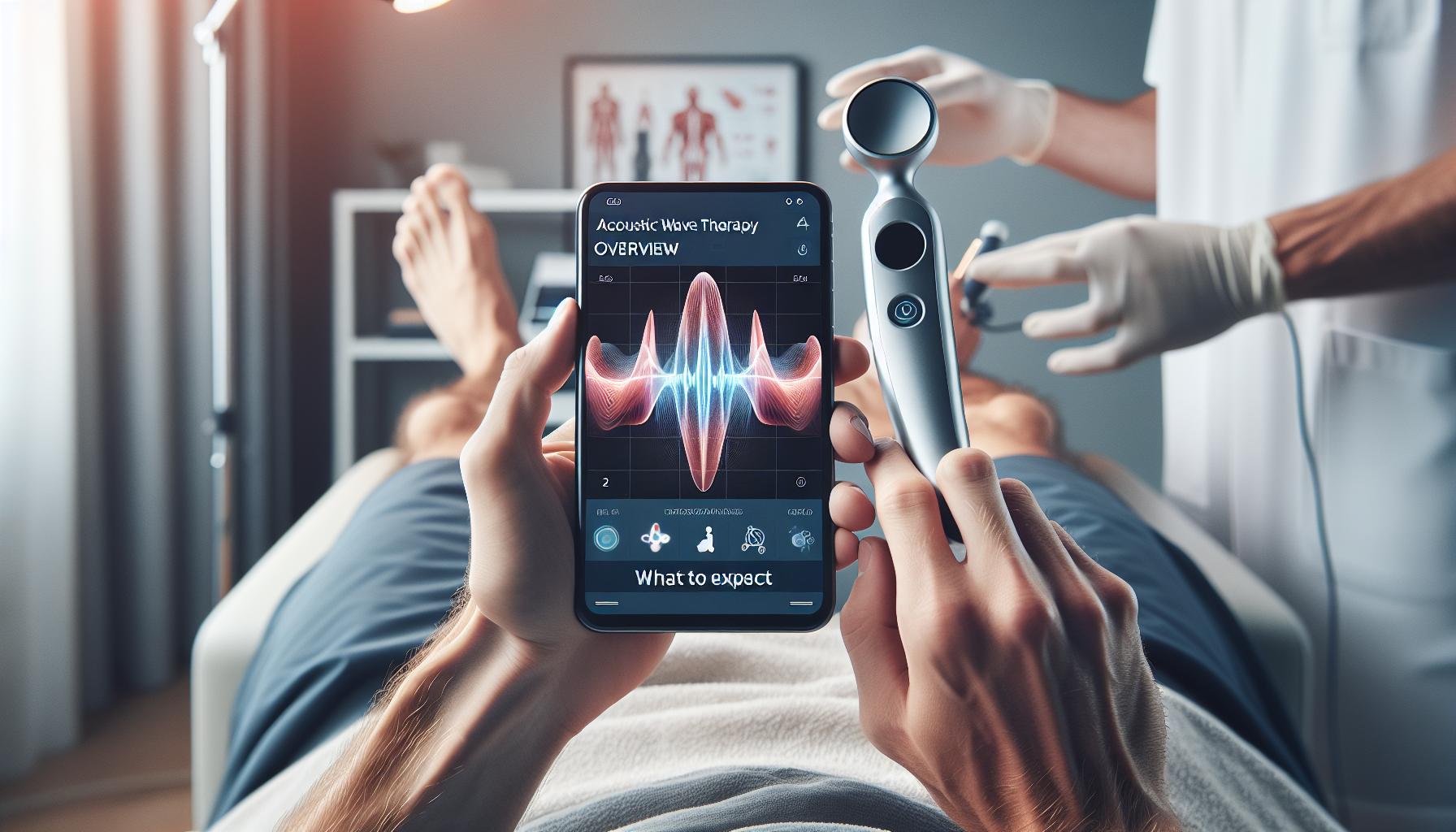
Acoustic Wave Therapy Overview: What to Expect
Acoustic Wave Therapy (AWT) represents a significant advancement in non-invasive medical treatments, harnessing the power of sound waves to promote healing and reduce pain. One of the most appealing aspects of AWT is its ability to stimulate the body’s natural regenerative processes without invasive procedures or pharmaceutical interventions. Patients seeking relief from chronic pain or improved circulation can expect a treatment that is not only effective but also relatively painless.
During an AWT session, sound waves penetrate deep into the tissues, targeting specific areas with precision. This process can help to reduce inflammation, enhance blood flow, and promote the healing of damaged tissues. Patients often report sensations similar to gentle vibrations on their skin, which can be soothing. The number of sessions required may vary depending on the condition being treated, with many individuals seeing noticeable improvements within just a few visits.
Preparation for your acoustic wave therapy session is straightforward. Generally, patients are advised to wear loose-fitting clothing and may need to avoid certain medications or supplements that could affect blood clotting. During the procedure, the provider uses a handheld device that emits sound waves, focusing on the targeted area for a set duration, typically lasting 15-30 minutes. After each session, many individuals return to their daily activities immediately, making this a convenient option for busy lifestyles.
In summary, patients can expect a safe and effective treatment experience with Acoustic Wave Therapy, characterized by minimal discomfort and a straightforward process aimed at harnessing the body’s innate capacity for healing. This innovative approach not only offers various physical benefits but also empowers individuals by providing a drug-free alternative to manage their conditions effectively.
Understanding the Science Behind Acoustic Wave Therapy
In recent years, Acoustic Wave Therapy (AWT) has emerged as a powerful, non-invasive treatment that leverages sound wave technology to stimulate the body’s natural healing processes. At its core, AWT exploits the mechanical properties of low-intensity sound waves to promote tissue repair, enhance blood circulation, and reduce inflammation. As these sound waves penetrate the skin, they create vibrations that excite the cells in targeted tissues, setting off a cascade of biological responses that lead to regeneration and relief from pain.
The science behind AWT is rooted in the principles of mechanotransduction, which is the process by which cells convert mechanical stimuli into biochemical signals. When sound waves are directed to a specific area, they generate micro-traumas that trigger the body’s repair mechanisms. These include increased circulation to the affected area and the stimulation of stem cells, which are crucial for tissue repair. Additionally, research indicates that AWT may stimulate the production of collagen-the key protein that helps maintain the structure and integrity of the skin and other tissues-thereby enhancing recovery from injuries and chronic conditions alike.
Biological Mechanisms at Work
Understanding how AWT operates at a cellular level can help demystify its effectiveness. Here are some key mechanisms involved in AWT:
- Increased Blood Flow: By expanding blood vessels and dilating capillaries, AWT enhances local circulation, delivering oxygen and nutrients essential for healing.
- Reduction of Pain: The vibrations disrupt pain signals sent to the brain, providing immediate relief in many patients.
- Cellular Regeneration: AWT stimulates fibroblasts and other cells involved in tissue repair, accelerating the body’s natural healing processes.
Many practitioners have observed that their patients experience significant improvements, not just physically but also in terms of function and quality of life after undergoing AWT. As more studies emerge validating its efficacy, patients and practitioners alike are embracing this method as a sustainable alternative to more invasive procedures or lengthy medication regimens.
In summary, Acoustic Wave Therapy marries advanced technology and biology, fostering an innovative approach to healing. By harnessing sound waves for therapeutic purposes, AWT empowers patients to reclaim their health and mobility, making it a compelling option in contemporary medical treatments.
Essential Equipment Used in Acoustic Wave Therapy
The effectiveness of Acoustic Wave Therapy (AWT) hinges on the specialized equipment used during treatment, which is designed to generate and deliver precise sound waves to targeted areas of the body. This technology has evolved significantly, ensuring that practitioners can effectively harness the healing properties of sound waves to stimulate tissue repair and enhance circulation. At the heart of AWT are the devices that create the acoustic waves, typically based on either piezoelectric or electrohydraulic systems.
Devices utilizing piezoelectric crystals are particularly common in AWT. These crystals generate sound waves through the application of an electrical charge, leading to highly controlled and targeted wave production. The precision of piezoelectric systems allows for adjustments in frequency and intensity, catering to specific patient needs and conditions. A common device employing this technology is the Shockwave Therapy system, which is versatile and widely used for various treatment protocols, from sports injuries to musculoskeletal pain.
In addition to the generating devices, practitioners rely on an array of applicators and gel mediums that facilitate the transmission of the sound waves through the skin. Typically, a conductive gel is applied to the treatment area to ensure that the sound waves travel effectively without interruption. The applicators vary in size and shape, allowing therapists to treat both large muscle groups and smaller, more intricate anatomical areas with ease.
Key Equipment Components
Understanding the essential components of AWT equipment can clarify how treatments are administered and their benefits. Here’s a quick overview:
- Shockwave Generator: The core machine that converts electrical energy into sound waves.
- Handpieces: Ergonomically designed to allow practitioners to direct the acoustic waves precisely to the treatment site.
- Conductive Gel: Facilitates efficient sound wave transmission, enhancing treatment effectiveness.
- Control Interface: Allows practitioners to customize settings such as frequency and intensity to suit individual patient needs.
This sophisticated equipment empowers trained professionals to deliver safe, effective therapies tailored to diverse conditions. By understanding the technology behind Acoustic Wave Therapy, patients can appreciate how the equipment not only enhances the overall healing process but also plays a crucial role in personalizing their treatment experience.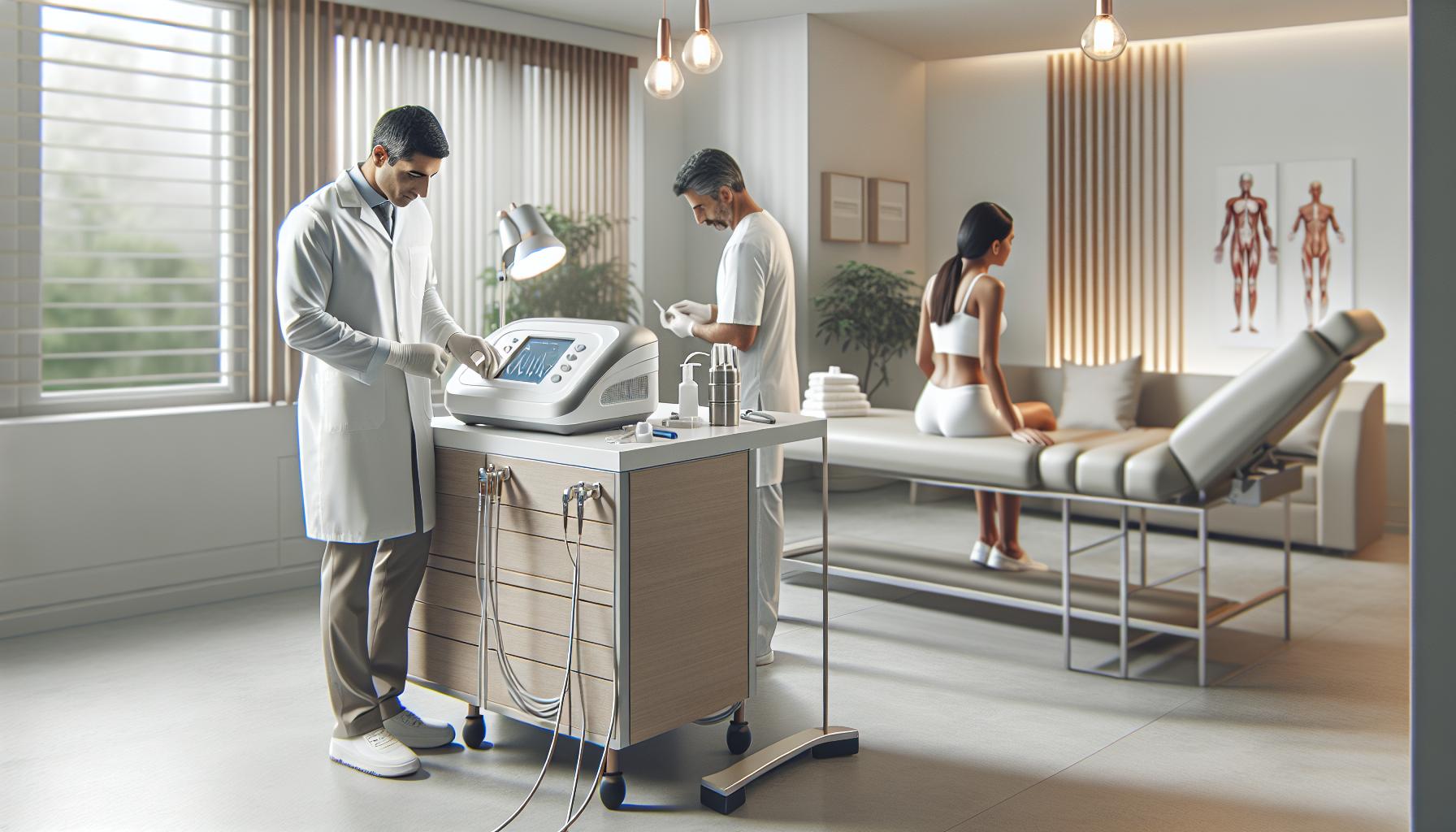
Step-by-Step Preparation for Acoustic Wave Therapy
Getting ready for Acoustic Wave Therapy is pivotal to ensure a smooth and effective treatment experience. Preparation not only aids in maximizing the therapy’s benefits but also helps ease any apprehension you might have. Knowing what to expect and how to prepare can make a significant difference.
First and foremost, scheduling a consultation with your healthcare provider or therapist is essential. During this initial appointment, they will evaluate your medical history and discuss your specific condition. It’s a good opportunity for you to express any concerns or potential contraindications. Being open about your health will guide them in tailoring the treatment to your needs. Additionally, it’s recommended to wear comfortable clothing to the session, as this will allow easier access to treatment areas.
Pre-Treatment Steps
Prior to your therapy session, there are a few practical steps to consider:
- Avoid medications and supplements: If possible, steer clear of blood-thinning medications and supplements like aspirin or fish oil at least 24 hours before your treatment. This can help minimize any bruising or discomfort during the therapy.
- Stay hydrated: Drink plenty of water in the hours leading up to your appointment. Proper hydration can enhance tissue elasticity and blood flow, potentially improving the effectiveness of the therapy.
- Inform your therapist: Let your therapist know about any changes in your health, including recent surgeries, injuries, or skin conditions in the treatment area.
These steps are simple but crucial for getting the most out of your Acoustic Wave Therapy session.
On the day of your treatment, be sure to arrive a bit early. This extra time allows you to fill out any necessary paperwork and discuss final preparations with your therapist. When entering the treatment room, you’ll typically lie down on a treatment table, where the therapist will apply a conductive gel to the area of interest to facilitate the sound wave transmission. Being calm and relaxed will help you harness the full benefits of the therapy as the focused sound waves begin to do their work.
The Process: How Acoustic Wave Therapy is Administered
The administration of Acoustic Wave Therapy (AWT) is a carefully orchestrated process designed to harness the effectiveness of sound waves in promoting healing and rejuvenation. At the start of the treatment, you will be guided to a treatment room where a comfortable setting is arranged. Lying on a treatment table, you’ll be able to relax as your therapist prepares for the session. A conductive gel will be applied to the targeted area, which enhances the transmission of sound waves through the skin and ensures optimal contact.
Once the gel is applied, the therapist will use a handheld device that generates acoustic waves. This device is meticulously calibrated to emit shockwaves at specific frequencies suited to your treatment needs. As the therapist moves the device over the designated areas, these focused sound waves penetrate to the lower layers of the skin, stimulating repair processes within tissues. It’s similar to a gentle massage but with added precision, as the waves create microtrauma in the targeted tissues, promoting a natural healing response characterized by increased blood flow and collagen production.
During the session, patients often report a feeling of mild discomfort rather than pain, which typically dissipates shortly after treatment. Sessions usually last anywhere from 20 to 30 minutes, depending on the area being treated and the specific protocols followed by your practitioner. It’s not uncommon to have a series of sessions for the best results, as cumulative treatments tend to lead to more significant improvements in the targeted condition.
After the treatment, the therapist may provide guidance on post-session care, including recommendations for hydration and any activities to avoid immediately following therapy. The goal of administering AWT is not only to relieve symptoms but also to empower the body’s healing capabilities-a goal that many patients find both reassuring and effective. By restoring tissue integrity and encouraging healing, AWT stands out as a pioneering approach in non-invasive therapies.
What to Expect During Your Treatment Session
Patients often approach their Acoustic Wave Therapy (AWT) session with curiosity and anticipation, eager to experience the rejuvenating effects promised by this non-invasive technique. Understanding what occurs during the treatment can help ease any apprehension and ensure you’re fully prepared to embrace the process. Throughout your session, you’ll encounter an environment centered on relaxation and healing, driven by the application of focused sound waves that stimulate cellular repair and promote overall wellness.
At the outset, your therapist will apply a conductive gel to the targeted area of your body. This gel is crucial, as it facilitates the optimal transmission of sound waves, ensuring that the therapeutic effects penetrate deeply into the tissues. Once the gel is in place, the therapist will utilize a handheld device that emits acoustic waves. This device is calibrated to deliver precise frequencies tailored to your specific treatment needs. As the therapist moves this device gently across your skin, the focused sound waves create microtrauma in the underlying tissues. This microtrauma triggers the body’s natural healing mechanisms, enhancing blood flow and encouraging collagen production, both of which are essential for effective tissue repair.
Throughout the session, patients typically report sensations that range from mild discomfort to warmth, akin to a deep tissue massage. Most find the experience manageable, with any discomfort subsiding soon after the treatment. Sessions generally last between 20 to 30 minutes, depending on the area being treated and the complexities involved in your specific protocol. Because AWT is often administered in a series for optimal results, your therapist may schedule follow-up visits, allowing you to track your progress and adjust the treatment plan as necessary.
As your session concludes, the therapist will engage with you about post-treatment care, suggesting practices such as staying hydrated and avoiding strenuous activities immediately after the session. This guidance is integral to maximizing the benefits of AWT. Ultimately, each treatment remains a step towards empowering your body’s natural healing capabilities, enhancing both physical function and aesthetic outcomes that many patients find remarkably rewarding.
Post-Treatment Care and Recovery Guidelines
Following your Acoustic Wave Therapy (AWT) session, proper post-treatment care is crucial for optimizing the benefits of the therapy and ensuring a smooth recovery. While AWT is known for its non-invasive nature and minimal downtime, there are still essential steps you can take to enhance the recovery process and improve overall outcomes.
To start, hydration is key. Drink plenty of water in the hours following your treatment, as this helps to flush out toxins and supports the body’s natural healing mechanisms. Staying well-hydrated can also facilitate the repair process at the cellular level, encouraging better blood circulation to the treated areas. In addition to hydration, you may want to consider resting your body. Although many patients feel energetic after their session, it’s beneficial to allow your body some time to recuperate. Avoid strenuous activities or high-impact exercises for at least 24 hours post-treatment. This rest period helps prevent any unnecessary stress on the tissues that have just undergone microtrauma, allowing for optimal healing.
It’s also advisable to avoid hot baths, saunas, or steam rooms for a couple of days after your treatment. While warm water can be soothing, heat can increase inflammation in the initial recovery phase, which might counteract the benefits of your therapy. Instead, focus on mild stretching and light activities like walking, which can promote circulation without overstraining your muscles. Additionally, keeping the area lightly moisturized can aid in comfort and healing, particularly if any redness or sensitivity occurs.
Lastly, communication with your therapist is essential. If you notice any unusual symptoms or have concerns about your recovery, don’t hesitate to reach out. Regular follow-up sessions may be recommended, and your therapist can provide personalized guidance based on your specific treatment experience. By following these post-treatment care guidelines, you can enhance the effectiveness of AWT and help your body achieve its optimal healing potential.
Potential Benefits of Acoustic Wave Therapy
Acoustic Wave Therapy (AWT) offers a range of compelling benefits, making it an increasingly popular choice for individuals seeking non-invasive treatments for pain, injury recovery, and various dermatological concerns. One of the primary advantages of AWT is its ability to stimulate the body’s natural healing processes. By delivering targeted sound waves to affected areas, AWT enhances blood flow and promotes the release of growth factors, which are essential for tissue repair and regeneration. This mechanism not only aids in pain relief but also accelerates recovery from injuries, making it a valuable tool in both rehabilitation and wellness settings.
Patients often report noticeable improvements in their condition after just a few sessions. For instance, AWT has shown significant effectiveness in treating chronic pain, such as issues related to tendinitis, plantar fasciitis, and even joint pain. Many individuals experience reduced inflammation and improved mobility, allowing them to return to daily activities with greater ease. In addition, AWT can enhance skin texture and reduce the appearance of cellulite by promoting collagen production, thereby delivering aesthetic benefits alongside therapeutic effects.
Another substantial benefit of AWT is its non-invasive nature, which means that patients can experience treatment with minimal discomfort and downtime compared to more invasive procedures. Unlike surgical options that require significant recovery time and carry higher risks, AWT allows for a quick return to normal activities, making it a practical choice for those with busy lifestyles. Moreover, the treatment is customizable; providers can adjust the intensity and frequency of the sound waves based on the patient’s specific needs and response, ensuring personalized care.
In summary, Acoustic Wave Therapy stands out not just for its therapeutic effects but also for its accessibility and patient-friendly approach. As more research highlights its benefits, AWT continues to gain recognition as a versatile modality that can effectively address both physical and aesthetic health concerns. Whether you’re looking to alleviate pain, enhance recovery from injury, or improve skin appearance, AWT presents a safe and efficient option that caters to diverse health goals.
Commonly Treated Conditions with Acoustic Wave Therapy
Acoustic Wave Therapy (AWT) is making waves in the world of non-invasive treatments, effectively addressing a variety of conditions with promising results. From chronic pain to aesthetic improvements, this innovative approach harnesses the power of sound waves to facilitate natural healing processes in the body. Many patients find relief from issues that have historically been challenging to treat, showcasing AWT’s versatility and efficacy.
Common Conditions Treated with Acoustic Wave Therapy
Among the most commonly treated conditions are:
- Chronic Pain: AWT is frequently used to alleviate conditions such as tendinitis, plantar fasciitis, and joint pain. Patients often report significant reductions in pain levels and improved mobility after just a few sessions.
- Cellulite and Skin Texture: AWT can enhance skin appearance by stimulating collagen production, leading to smoother skin and a reduction in cellulite. This dual benefit caters to those looking for both therapeutic and aesthetic improvements.
- Muscle Strains and Sports Injuries: Athletes and active individuals benefit from AWT due to its ability to accelerate recovery from muscle strains and injuries. The treatment enhances blood flow and promotes tissue regeneration.
- Soft Tissue Injuries: Conditions such as plantar fasciitis and shoulder pain can be effectively managed with AWT, as sound waves help to reduce inflammation and promote healing at the cellular level.
How AWT Works in Treating Conditions
The treatment’s effectiveness stems from its unique mechanism. AWT delivers acoustic waves deep into the tissue, creating controlled mechanical pressure that encourages improved circulation and stimulates the release of growth factors and stem cells. This not only aids in pain relief but also enhances the body’s natural reparative processes, allowing patients to heal more efficiently.
Whether you’re an athlete seeking to recover from an injury or someone dealing with chronic pain, AWT offers a compelling path to healing. Its non-invasive nature and minimal downtime make it an attractive option for those who want to enhance their well-being effectively and efficiently. With a growing body of evidence supporting its use, Acoustic Wave Therapy stands out as a valuable in the toolbox of modern treatment options.
What Are the Risks and Side Effects?
While Acoustic Wave Therapy (AWT) is heralded for its non-invasive approach and therapeutic benefits, it is essential to consider the potential risks and side effects associated with this treatment. Understanding these factors can help patients make informed decisions and alleviate concerns they may have about the procedure.
Most patients tolerate AWT well, experiencing only mild discomfort during the treatment. However, it’s not uncommon for individuals to report some post-session effects. Common side effects include localized soreness or tenderness in the treated areas, which generally dissipates within a few hours to days. It’s also possible to experience temporary redness or swelling, as the acoustic waves create mechanical pressure that stimulates blood flow and enhances tissue repair. While these reactions are typically benign, they serve as reminders that the body is responding to treatment.
In rare instances, patients may encounter more significant reactions. These can include bruising or pain that extends beyond the expected soreness. Patients with certain medical conditions, such as infections, tumors in the treatment area, or bleeding disorders, are advised to consult with their healthcare provider to evaluate the risks before undergoing AWT. Moreover, individuals who are pregnant or those with pacemakers should avoid this treatment due to potential complications.
Ultimately, informed consent is crucial. A thorough consultation with a qualified practitioner can help establish individualized treatment plans while addressing any pre-existing concerns. Patients should not hesitate to express worries and inquire about what to expect, as the provider can offer strategies to mitigate discomfort and enhance the treatment experience. As AWT continues to gain popularity, understanding its risks and side effects will empower patients to engage in their therapeutic journeys with greater confidence.
Alternatives to Acoustic Wave Therapy: A Comparison
While acoustic wave therapy (AWT) offers a promising non-invasive treatment option for pain relief and tissue regeneration, there are various alternatives worth considering. Each alternative has its own set of benefits, mechanisms, and conditions they target, making it essential for patients to explore these options to determine the best fit for their specific needs.
Physical Therapy
Physical therapy stands as one of the most traditional alternatives to AWT. Utilizing exercises, manual therapy, and tailored rehabilitation programs, physical therapists focus on strengthening targeted muscle groups and improving mobility. This method is particularly effective for chronic pain management and rehabilitation after injuries. By fostering active participation in the healing process, patients may experience gradual, long-term improvements without the need for invasive procedures. It’s important to note that physical therapy requires commitment, as results accumulate over time and often rely on continuous engagement in prescribed physical exercises.
Shockwave Therapy
Shockwave therapy is related to AWT but utilizes higher energy waves to initiate healing. This therapy is effective for conditions like plantar fasciitis, calcific tendinitis, and other chronic pain syndromes. While both treatments employ sound waves, the intensity and resultant physiological effects differ significantly. Shockwave therapy often promotes more immediate relief, but it may also lead to an increased chance of discomfort during treatment. Patients should evaluate their pain tolerance and discuss with their healthcare providers which method might yield better outcomes for their condition.
Cryotherapy and Heat Therapy
Cryotherapy and heat therapy represent two polar approaches to pain and inflammation management. Cryotherapy leverages extreme cold to reduce swelling and numb pain receptors, making it highly effective for acute injuries. Conversely, heat therapy relaxes and dilates blood vessels, enhancing blood flow to facilitate healing. Each therapy can be easily administered at home and tailored based on the nature of pain-ice for recent injuries and heat for ongoing discomfort due to muscle tension or chronic conditions. Nevertheless, it’s crucial to use these methods strategically to avoid skin damage or exacerbation of pain.
Comparing Effectiveness
When considering alternatives to AWT, it’s beneficial to weigh their effectiveness against your condition, lifestyle, and personal preferences. Here’s a quick comparative overview:
| Therapy Type | Method | Best For | Pros | Cons |
|---|---|---|---|---|
| Physical Therapy | Exercise-based rehabilitation | Chronic pain, post-injury | Customized care, builds strength | Time-consuming, requires commitment |
| Shockwave Therapy | High-energy sound waves | Chronic pain, tendonitis | Quick relief | More discomfort during treatment |
| Cryotherapy | Cold application | Acute injuries | Immediate pain reduction | Requires caution to avoid frostbite |
| Heat Therapy | Heat application | Muscle tension, chronic pain | Easy to self-administer | Not suitable for acute injuries |
Ultimately, the choice of therapy should be guided by a comprehensive consultation with healthcare professionals who can assess individual conditions and preferences, ensuring a tailored approach that maximizes benefits while minimizing risks. Exploring these alternatives not only empowers patients in their treatment journey but also enhances their overall approach to health and wellness.
Real Patient Experiences and Testimonials
Patients often report impressive outcomes after experiencing acoustic wave therapy (AWT), detailing journeys that transition from discomfort to renewed vitality. One notable testimonial comes from Sarah, a 42-year-old runner who struggled with persistent knee pain due to a past injury. After several sessions of AWT, Sarah noticed a significant reduction in pain and an increase in her range of motion. She described the therapy as “almost magical,” emphasizing how quickly she was able to return to her training regime, marking an impressive comeback just in time for her next marathon.
Real experiences like Sarah’s often highlight the multifaceted nature of AWT. For instance, John, who suffered from chronic back pain for over five years, shared that, initially skeptical about the non-invasive approach, he found the treatment surprisingly comfortable. He appreciated the step-by-step guidance from his therapist, who explained how the sound waves would promote healing by enhancing blood circulation and reducing inflammation. Following his treatment, John expressed feeling a release of tension and a notable improvement in daily activities, such as playing with his grandchildren-activities he thought he might never enjoy again.
Equally important are the insights from healthcare providers working with patients undergoing AWT. Many therapists and practitioners regard this therapy as a bridge between traditional rehabilitation methods and advanced technological treatments. They report an increased willingness among patients to explore AWT after seeing successes in others. For example, Teresa, a physical therapist, noted that many patients commented on their improved quality of life post-treatment, emphasizing factors like reduced reliance on medication and a significant boost in their overall motivation and activity levels.
As shared by these patients and practitioners, the experiences surrounding acoustic wave therapy reveal not just isolated cases of recovery but a broader narrative of hope and healing. Each testimonial serves as a powerful reminder that this innovative therapy can provide meaningful relief, restore functionality, and restore the joy of movement, affirming its growing role in modern therapeutic landscapes.
Frequently asked questions
Q: What is the first step in the acoustic wave therapy process?
A: The first step in acoustic wave therapy is an initial consultation with a qualified practitioner. During this visit, the therapist evaluates your medical history and identifies the specific areas of concern. This assessment ensures a tailored treatment plan that meets individual needs.
Q: How is the treatment area prepared for acoustic wave therapy?
A: Preparation for acoustic wave therapy involves cleaning the skin of the treatment area to remove any oils or impurities. This step ensures that the acoustic waves can effectively penetrate the skin and reach the targeted tissues for optimal results.
Q: What actually happens during an acoustic wave therapy session?
A: During an acoustic wave therapy session, a handheld device is used to deliver sound waves to the targeted areas. These waves create microtraumas in the tissue, stimulating healing, improving circulation, and reducing pain. Sessions typically last 15 to 30 minutes, depending on the treatment area.
Q: Are there any sensations or discomfort during the therapy?
A: Patients may experience a mild tingling sensation during acoustic wave therapy, which is generally well-tolerated. Some individuals report a feeling of pressure in the treated area. The intensity can be adjusted according to comfort levels, ensuring a positive experience.
Q: How long does it take to see results from acoustic wave therapy?
A: Many patients begin to notice improvements after 3 to 5 sessions of acoustic wave therapy. However, optimal results typically emerge within 6 to 12 weeks post-treatment as the body continues its natural healing process. Regular follow-ups can enhance outcomes.
Q: Is there any downtime required after acoustic wave therapy?
A: There is usually no significant downtime required after acoustic wave therapy. Patients can typically return to their daily activities immediately following treatment. Minor soreness may occur, but it’s generally mild and resolves quickly.
Q: What can patients do to enhance the effects of acoustic wave therapy?
A: To enhance the effects of acoustic wave therapy, patients should stay hydrated, maintain a balanced diet, and follow any recommended post-treatment care protocols. Engaging in gentle physical activity and stretching can also promote healing and improve outcomes.
Q: Are there specific conditions that benefit most from acoustic wave therapy?
A: Acoustic wave therapy is particularly effective for conditions such as plantar fasciitis, tendinitis, and muscle pain. It can also assist in improving circulation and accelerating healing in soft tissue injuries. For more detailed information on specific conditions, refer to the section on commonly treated conditions in the main article.
In Conclusion
Now that you understand the step-by-step process of Acoustic Wave Therapy, you might be eager to explore how this non-invasive treatment can enhance your healing journey. By leveraging sound waves, you’re not only boosting your body’s natural recovery but also tackling issues like cellulite and skin firmness effectively. If you’re considering this therapy, remember that prompt action can lead to the best results.
For deeper insights, check out our articles on “Does Acoustic Wave Therapy Really Work?” and “Acoustic Wave Therapy Treatment: How It Works.” These resources will further clarify any lingering questions and help you prepare for your own experience. If you’re ready to take the next step, consider signing up for our newsletter or booking a consultation today. Join the conversation by sharing your thoughts or experiences in the comments below-your input could inspire others on their wellness journey!
Get our latest guides, news, and insights highlighted in your Google Search & AI Overviews.